Catalina 36
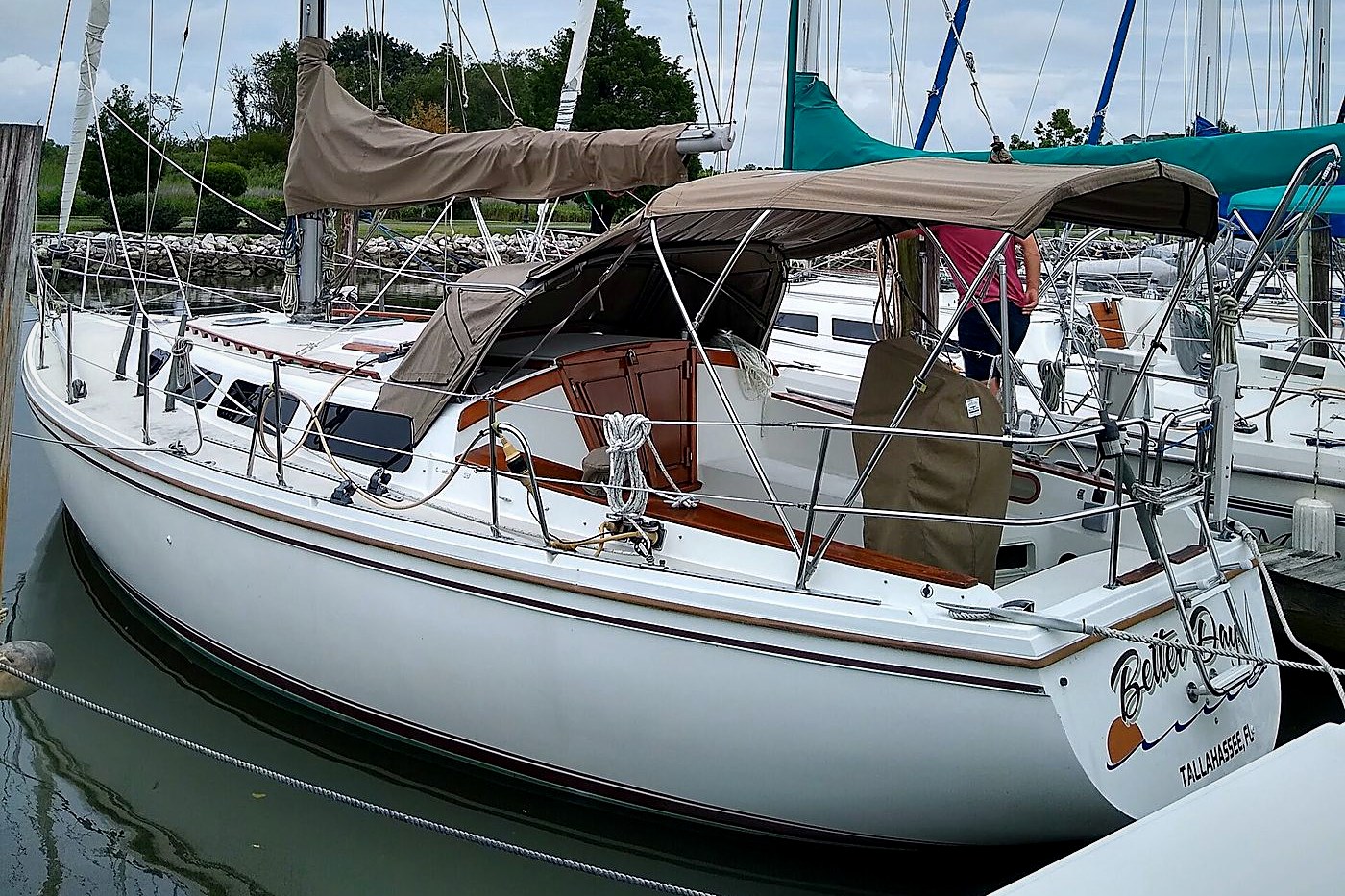
A big-volume family cruiser with a walk-through transom on later hulls, though buyers should check the well-known rudder and keel-stub issues.
Made to order: your copy is researched, fact-checked, and typeset to our standard, then delivered within about two weeks. We'll email you the moment it's ready.
About the Catalina 36 (1982-2005)
The Catalina 36 is one of the most-produced cruising sailboats of its size, a masthead sloop from Frank Butler and Gerry Douglas that stayed in production more than twenty years. It sold on interior volume: a proper aft cabin, a galley you can cook in at anchor, and standing headroom throughout, for less than any import.
Production splits in two. The first generation ran from 1982 until hull 1368 in August 1994, when the Mk II brought a larger cockpit, a walk-through transom, new ports and a redesigned interior, plus vinylester resin in the outer laminate to resist blistering. Parts support is unusually good for a boat this old, and the owners association is active.
Specifications at a glance
| Years | 1982 to 2005 |
| LOA / LWL | 36 ft 4 in (11.07 m) / 30 ft 3 in (9.22 m) |
| Beam | 11 ft 11 in (3.63 m) |
| Draft | 5 ft 10 in (1.78 m) fin, 4 ft 5 in wing |
| Displacement / ballast | 13,500 lb (6,120 kg) / 6,000 lb |
| Sail area | 555 sq ft (51.5 sq m) |
| Engine | Universal diesel, 35 hp in the Mk II |
| Hulls built | 2,305 |
Known issues to check before you buy
- Mast step. The keel-stepped mast lands on an untreated cedar block lag-screwed to the cabin floor, and the mast drains plug with dirt so water sits and rots it. Look for stress cracks in the flooring and shroud turnbuckles run out of adjustment.
- Chainplate leaks. The complaint owners raise most often; plan on rebedding them. Look for staining or soft plywood below each chainplate.
- Blistering on pre-Mk II hulls. Polyester outer laminate blisters in warm water. Survey hull and rudder hauled out; owners report clusters of dime-sized blisters, often as many on the rudder.
- Rudder sagging. Owners report the rudder dropping an inch or two when centered, exposing bare stainless below the hull. Check vertical play when hauled.
- Universal engine cooling and fuel. Forty-year-old blocks crack around the hot water housing, the raw water pumps are a weak point, and air ahead of the lift pump makes the engine sputter under load.
Owning one
Nothing here is exotic: the failures are known, the parts are on a shelf, and someone has documented the fix. Budget for the mast step and chainplates on an early boat. This volume documents the Catalina 36 (1982-2005) specifically: verified specifications, the documented weak points and how to inspect each, service data, and the parts and owner community.
Inside this volume
Known issues & a survey guide
The documented weak points for this exact model, how to inspect each, and what a proper fix costs, a checklist to carry to the survey.
Full specifications
Every published figure, hull and rig or engine detail, tankage, and running change, with the conflicts flagged, not guessed.
Systems & maintenance
Engine, electrical, plumbing, steering, and ground tackle, plus service intervals and the fluid and torque data.
Parts, yards & community
Where the parts are, what cross-references, and the owners associations and forums that keep the model alive.
Make it your boat.
We fold in your year, your engine and options, your refits and modifications, your hull number, and your own boat's photo on the cover. The book stops describing the boat that left the yard and starts describing the one in your slip.