Acura RSX Type-S
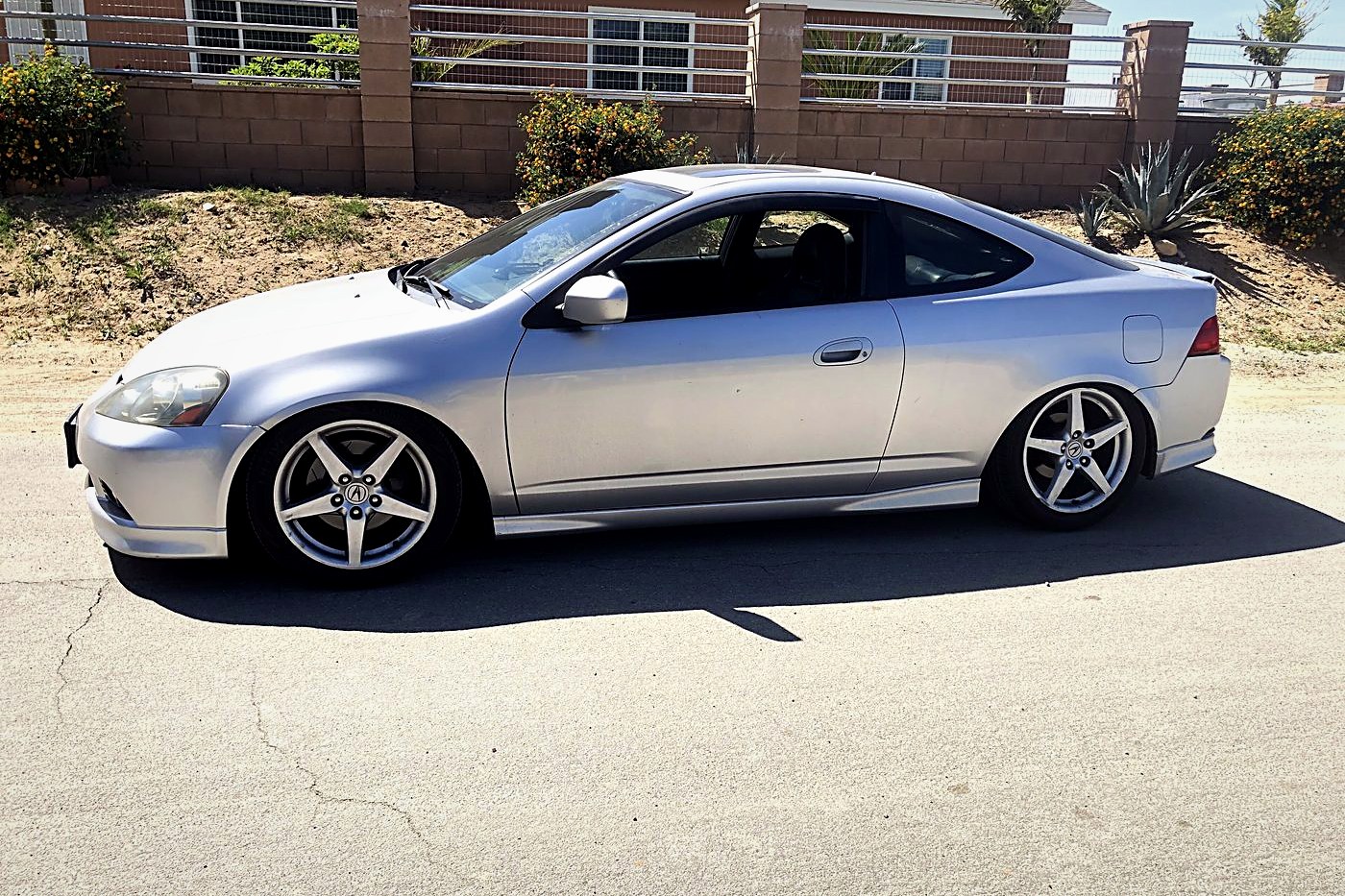
The K20-powered Integra successor with a close-ratio six-speed.
Made to order: your copy is researched, fact-checked, and typeset to our standard, then delivered within about two weeks. We'll email you the moment it's ready.
About the Acura RSX Type-S (2002-2006)
The RSX Type-S was the sharp end of Acura's front-drive coupe, the North American cousin of the Japanese-market Honda Integra Type R. Sold from 2002 until August 2006, it is the last of Honda's high-revving, naturally aspirated sport coupes: a 2.0 litre K20 i-VTEC four, a close-ratio six-speed manual and a helical limited-slip differential.
The appeal is the engine and the gearbox. There was no automatic Type-S, so every one is a manual, and the K20 does its best work above 6,000 rpm where the aggressive VTEC cam profile takes over. A 2005 facelift added Type-R camshafts and a freer intake and exhaust, lifting output to 210 horsepower. Clean, unmodified cars keep appreciating.
Specifications at a glance
| Years | 2002 to 2006 |
| Engine | 2.0 L i-VTEC inline-four, K20A2 then K20Z1 |
| Output | 200 hp (149 kW) at 7,400 rpm, 210 hp from 2005 |
| Torque | 142 lb-ft (193 Nm) at 6,000 rpm, 143 lb-ft from 2005 |
| Transmission | close-ratio 6-speed manual, helical limited-slip differential |
| Layout | front engine, front-wheel drive |
| Wheelbase | 2,570 mm (101.2 in) |
Known issues to check before you buy
- Third gear grinding or popping out. Acura bulletin 02-016 covers 2002 to 2003 cars and 2004 cars up to VIN 12577: drag in the 5th and 6th gearsets plus hard shift-cable bushings makes the box grind into third or jump back out. Drive one hard in third.
- Clutch master cylinder. A squeaking, sticky clutch pedal on 2002 to 2004 cars usually means the piston is rubbing inside the master cylinder. Parts are cheap, roughly $70 to $200, but it mimics a failing clutch.
- Oil use and valve cover leaks. These engines use a noticeable amount of oil between changes and often weep from the valve cover gasket. Check the dipstick warm and ask how often oil gets added.
- Water in the trunk. The foam taillight gaskets dry out and let rain into the housings and the spare tire well. Lift the spare cover and look for water and rust.
- Modification and abuse. An unabused car matters more than a late one. Check for cheap coilovers, missing fender liners, worn motor mounts and wheel-bearing play, then get a compression test.
Owning one
Parts are cheap, the aftermarket is enormous, and a maintained K20 runs past 200,000 miles, so the real risk is buying somebody else's abandoned project. This volume documents the Acura RSX Type-S (2002-2006) specifically: verified specifications, the documented weak points and how to inspect each, the service data, and the parts and owner community that keep them on the road.
Inside this volume
Known issues & a survey guide
The documented weak points for this exact model, how to inspect each, and what a proper fix costs.
Full specifications
Every published figure, engine option, and running change, with the conflicts flagged, not guessed.
Systems & maintenance
Electrical, fuel, cooling, and drivetrain, plus service schedules and torque and fluid data.
Parts & community
Where the parts are, what cross-references, and the clubs and forums that keep the model alive.
Make it your car.
We fold in your year, your engine and options, your refits and modifications, your VIN, and your own car's photo on the cover. The book stops describing the car that left the factory and starts describing the one in your garage.