BMW 2002
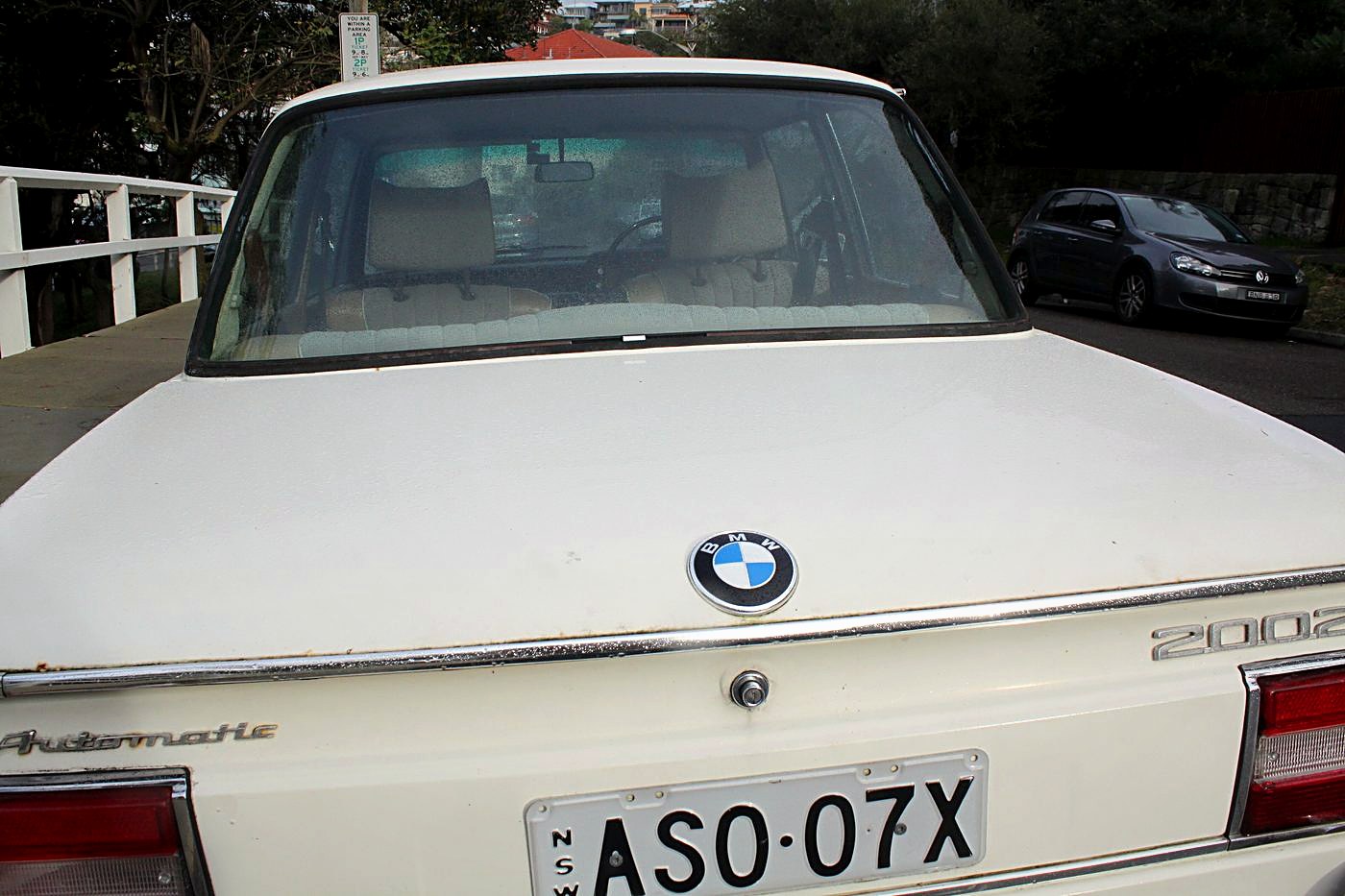
The compact two-door that founded the sport sedan genre in America.
Made to order: your copy is researched, fact-checked, and typeset to our standard, then delivered within about two weeks. We'll email you the moment it's ready.
About the BMW 2002 (1968-1976)
The 2002 is the car that made BMW's reputation in America. It took the small, upright Neue Klasse two-door body and fitted the two litre M10 four-cylinder engine, producing a compact sedan that handled and revved like nothing else at the price. The template it set (small body, willing engine, rear-wheel drive, no frills) runs straight through to the modern 3 Series.
The appeal now is simplicity. There is no engine electronics, the M10 runs to high mileage on basic maintenance, and almost every part is available new or reproduced. It is a usable classic a home mechanic can keep on the road, which is why good ones have become expensive.
Specifications at a glance
| Years | 1968 to 1976 (1975 in Europe) |
| Engine | 2.0 L M10 single overhead cam inline four (1,990 cc) |
| Output | 100 PS (99 hp) at 5,500 rpm |
| Torque | 157 Nm (116 lb-ft) at 3,500 rpm |
| Transmission | 4-speed manual, optional 5-speed manual or 3-speed automatic |
| Layout | front engine, rear-wheel drive |
| Production | 339,092 (2002 sedan); 837,038 across the whole 02 Series |
Known issues to check before you buy
- Rear shock towers. The structural failure point. Pull the trunk mat and look at the forward corners: rot here needs welded repair, not filler, and it is what turns a cheap 2002 into a bad buy.
- Frame rails, floors and rockers. Check the rails from the front crossmember into the floor, the rails under the fuel tank, the front floors, and the rocker panels. All structural.
- Timing chain tensioner. The M10 runs a chain, not a belt, and the tensioner can collapse. Listen for chain slap on cold start; if the chain lets go it is a rebuild. Ask for a documented replacement.
- Solex 32/32 DIDTA carburetor. Fitted to 1973 to 1975 cars. The water-heated automatic choke fails, giving hard cold starts and poor running. Many owners fit a Weber 32/36 conversion instead.
- Kugelfischer injection (tii only). The mechanical pump is durable if the car is driven, but plungers stick on cars that sat, and a rebuild is specialist work at specialist prices. Budget for it on any long-stored tii.
Owning one
Mechanically a 2002 asks very little, so buying one is almost entirely a decision about metal: a rusty car costs more in bodywork than a sound one costs to buy. This volume documents the BMW 2002 (1968-1976) specifically: verified specifications, the documented weak points and how to inspect each, the service data, and the parts and owner community.
Inside this volume
Known issues & a survey guide
The documented weak points for this exact model, how to inspect each, and what a proper fix costs.
Full specifications
Every published figure, engine option, and running change, with the conflicts flagged, not guessed.
Systems & maintenance
Electrical, fuel, cooling, and drivetrain, plus service schedules and torque and fluid data.
Parts & community
Where the parts are, what cross-references, and the clubs and forums that keep the model alive.
Make it your car.
We fold in your year, your engine and options, your refits and modifications, your VIN, and your own car's photo on the cover. The book stops describing the car that left the factory and starts describing the one in your garage.