BMW M5
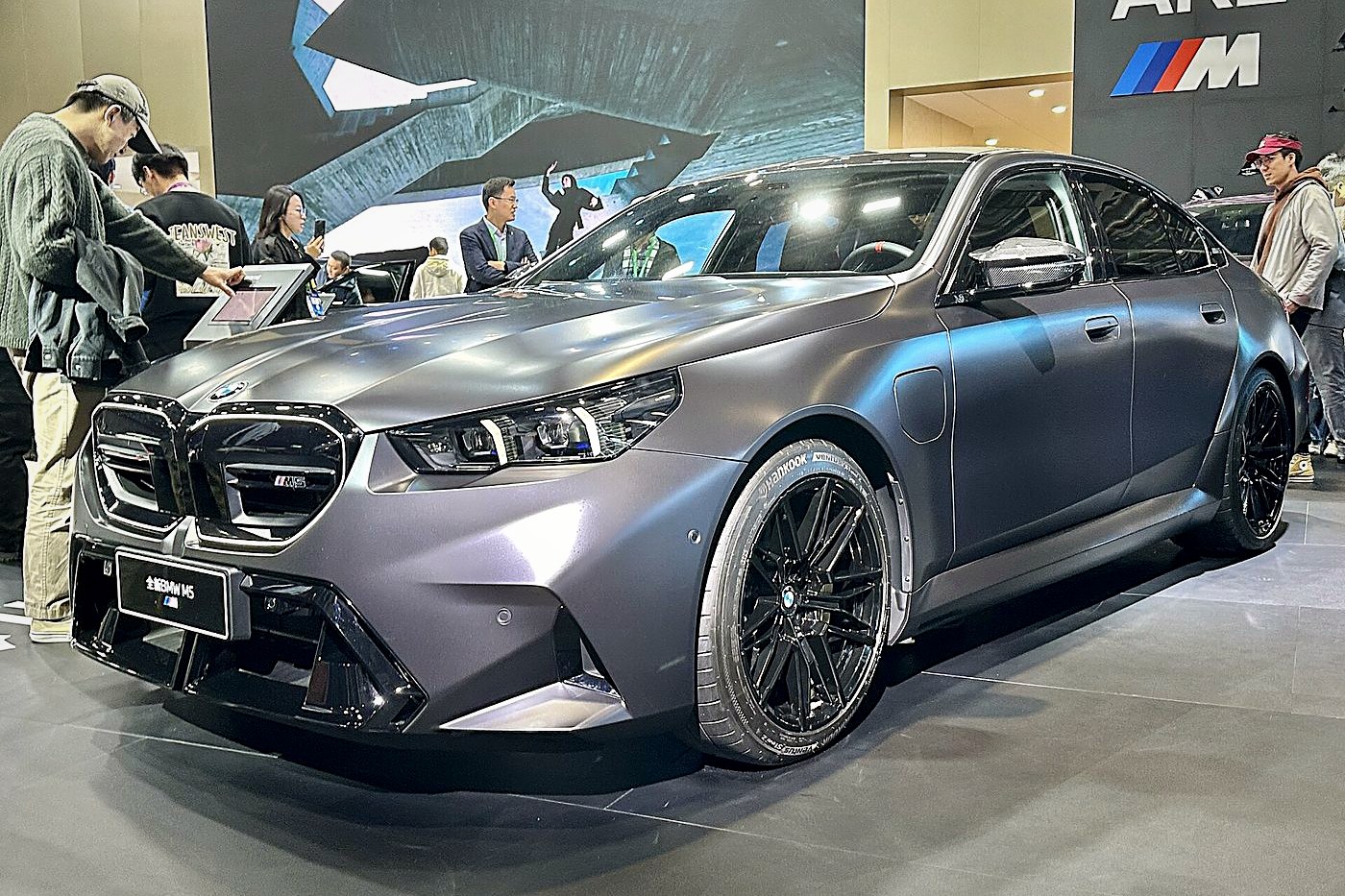
The V8-powered E39 M5 that defined the modern super sedan.
Made to order: your copy is researched, fact-checked, and typeset to our standard, then delivered within about two weeks. We'll email you the moment it's ready.
About the BMW M5 (1998-2003)
The E39 generation M5 is widely regarded as one of the greatest sport sedans ever built. Produced from 1998 to 2003, it took the handsome, understated E39 5 Series body and dropped in the S62, a 4.9 litre naturally aspirated V8 built specifically for M. The result was a four-door that could carry a family in comfort and still run with the sports cars of its day, all while hiding its intent behind subtle quad exhausts and modest badging.
The appeal is in that restraint. There was no automatic and no paddle shift: every E39 M5 left the factory with a six-speed manual and rear-wheel drive. The high-revving V8, the hydraulic steering, and the analogue feel are exactly why values have climbed and why enthusiasts still hold this car up as the benchmark for the breed.
Specifications at a glance
| Years | 1998 to 2003 |
| Engine | 4.9 L S62 naturally aspirated V8 (4,941 cc) |
| Output | 400 PS (394 bhp) at 6,600 rpm |
| Torque | 500 Nm (369 lb-ft) at 3,800 rpm |
| Transmission | 6-speed manual only |
| Layout | front engine, rear-wheel drive |
| Production | 20,482 units |
Known issues to check before you buy
- VANOS. The dual VANOS unit is the most discussed weak point. Failing seals and solenoids bring rough idle, lost low-end torque, and fault codes, typically between 60,000 and 120,000 miles. Budget for a rebuild if it has not been done.
- Timing-chain guides and tensioner. Worn chain guides and a tired tensioner are the common S62 chain-side failure. Listen for rattle on cold start and check for a documented replacement.
- Rod bearings. Bearings can wear early on cars run on old or infrequently changed oil, sometimes from 80,000 miles. A faint knock under load or metal in the oil are the warning signs.
- Secondary-air pumps. The twin SAPs and their check valves fail, often triggering emissions fault codes. A stuck relay can run a pump to destruction, so confirm the system works and read the codes.
- Cooling system and service history. These are expensive cars to maintain. Verify a thorough, documented service record before committing.
Owning one
An E39 M5 rewards a careful buyer and punishes a careless one, so the paper trail matters as much as the drive. This volume documents the BMW M5 (1998-2003) specifically: verified specifications, the documented weak points and how to inspect each, the service data, and the parts and owner community that keep them on the road.
Inside this volume
Known issues & a survey guide
The documented weak points for this exact model, how to inspect each, and what a proper fix costs.
Full specifications
Every published figure, engine option, and running change, with the conflicts flagged, not guessed.
Systems & maintenance
Electrical, fuel, cooling, and drivetrain, plus service schedules and torque and fluid data.
Parts & community
Where the parts are, what cross-references, and the clubs and forums that keep the model alive.
Make it your car.
We fold in your year, your engine and options, your refits and modifications, your VIN, and your own car's photo on the cover. The book stops describing the car that left the factory and starts describing the one in your garage.