Cadillac Escalade
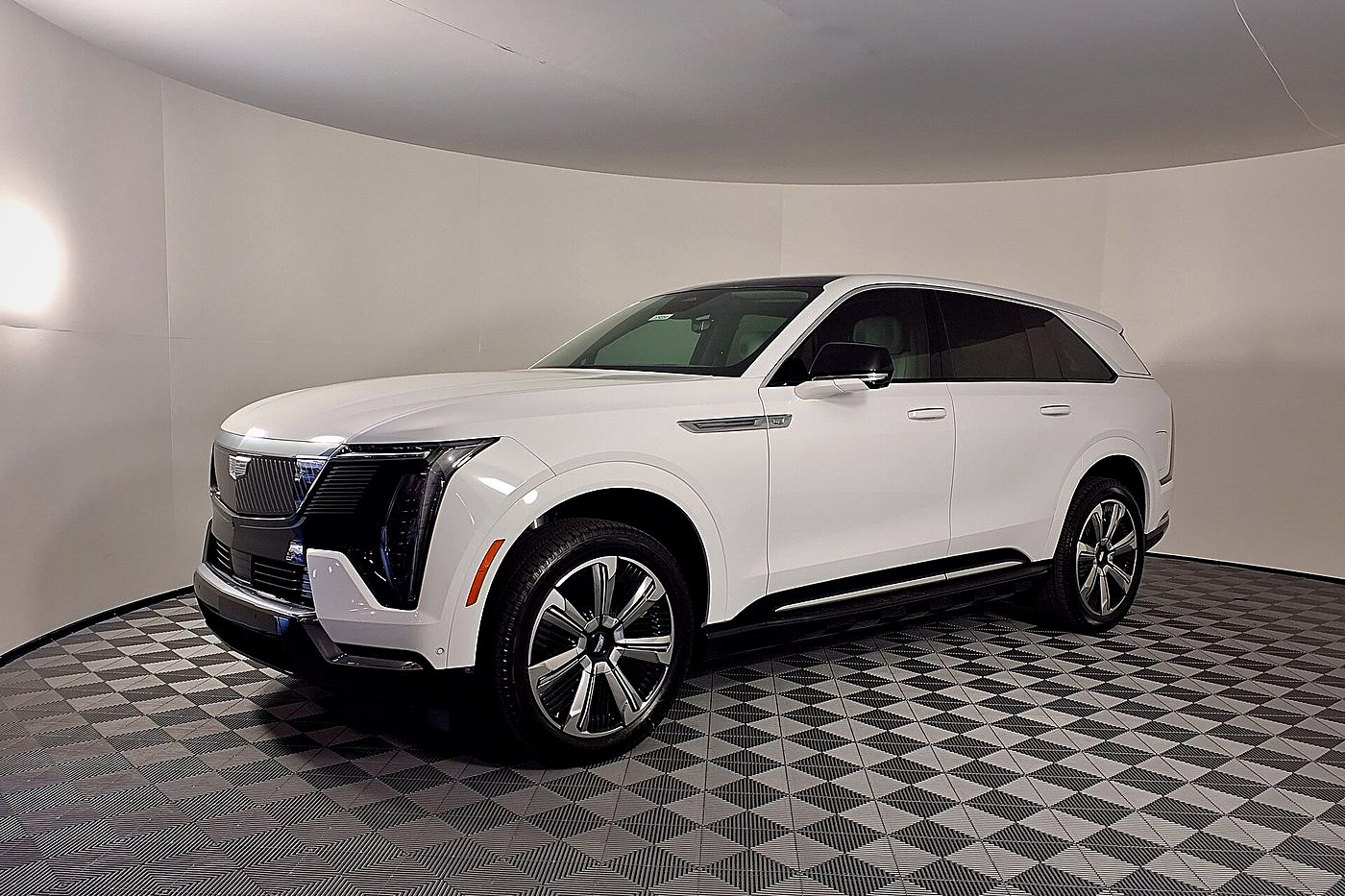
The Escalade that turned the full-size SUV into a luxury status piece.
Made to order: your copy is researched, fact-checked, and typeset to our standard, then delivered within about two weeks. We'll email you the moment it's ready.
About the Cadillac Escalade (2002-2006)
The GMT800 Escalade is the one that made the nameplate famous. The first Escalade was a rebadged GMC Denali; the 2002 redesign gave Cadillac its own sheet metal and a 6.0 litre V8 no rival full-size SUV could match on paper. It landed just as big American luxury trucks became a cultural fixture.
The appeal today is a lot of truck for the money. Underneath the chrome it is a Tahoe or Suburban, so parts are cheap and every shop knows the platform, while the cabin still delivers leather and a quiet ride. Pick the standard body, the long ESV, or the EXT pickup.
Specifications at a glance
| Years | 2002 to 2006 (GMT800, second generation) |
| Engine | 6.0 L LQ9 Vortec V8; 5.3 L LM7 V8 on rear-drive models |
| Output | 345 hp, 380 lb-ft (515 Nm); the 5.3 L makes 285 to 295 hp |
| Transmission | 4-speed automatic (4L65-E with the 6.0 L, 4L60-E with the 5.3 L) |
| Layout | front engine, rear-wheel drive or full-time all-wheel drive |
| Bodies | Escalade, ESV long wheelbase (2003 on), EXT pickup |
| Wheelbase | 116.0 in (2,946 mm); ESV 130.0 in (3,302 mm) |
| Curb weight | about 5,800 lb (2,631 kg) |
Known issues to check before you buy
- Autoride air suspension. The optional load-levelling rear air shocks leak, and the compressor runs itself to death. Watch the rear on startup: it should rise and stay up. A sagging rear or a Service Suspension message means the same repair.
- Instrument cluster gauges. The stepper motors behind the speedometer, tachometer and fuel gauge fail from heat cycling, so needles stick or read wrong. GM ran a special coverage program on 2003-2004 trucks, long expired. Check every gauge on the test drive.
- The 4-speed automatic. The weak link. Slipping and hard shifts commonly arrive well under 100,000 miles. Feel for flare between gears, smell the fluid, and ask when the pan and filter were done.
- Steering clunk. GM service bulletin 00-02-35-003M covers 2002-2006 Escalades for a clunk felt through the wheel; the fix is a new upper intermediate steering shaft. Check the hub bearings and idler arm too.
- Open recalls. Run the VIN. Campaign 02V224000 covers all-wheel-drive trucks where the positive battery cable can rub the steering shaft (fire risk), 04V045000 a hydro-boost relief valve that makes steering and braking heavy, 03V037000 rear door hinge welds.
Owning one
Fuel is the real cost: mid-teens mpg at best, worse in town. Everything else is ordinary GM truck money, which makes these an affordable route into a big V8. This volume documents the Cadillac Escalade (2002-2006) specifically: verified specifications, the documented weak points and how to inspect each, the service data, and the parts and owner community behind them.
Inside this volume
Known issues & a survey guide
The documented weak points for this exact model, how to inspect each, and what a proper fix costs.
Full specifications
Every published figure, engine option, and running change, with the conflicts flagged, not guessed.
Systems & maintenance
Electrical, fuel, cooling, and drivetrain, plus service schedules and torque and fluid data.
Parts & community
Where the parts are, what cross-references, and the clubs and forums that keep the model alive.
Make it your car.
We fold in your year, your engine and options, your refits and modifications, your VIN, and your own car's photo on the cover. The book stops describing the car that left the factory and starts describing the one in your garage.