Chevrolet C/K
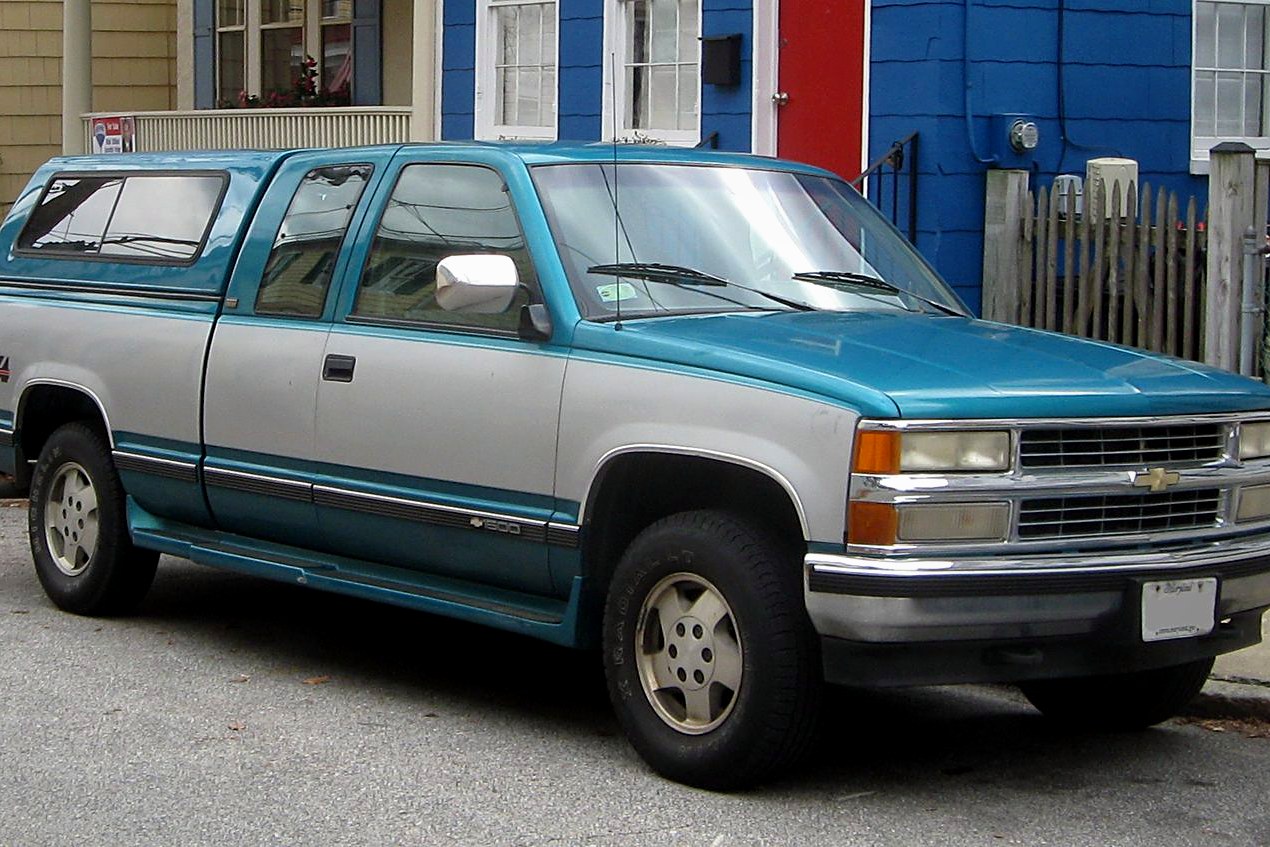
The aerodynamic OBS pickup that defined GM trucks of the 1990s.
Made to order: your copy is researched, fact-checked, and typeset to our standard, then delivered within about two weeks. We'll email you the moment it's ready.
About the Chevrolet C/K (1988-1998)
The GMT400 C/K was General Motors' first properly aerodynamic full-size pickup, launched in 1988 to replace the square-rigged trucks that had run since 1973. C meant two-wheel drive and K meant four-wheel drive, in 1500, 2500 and 3500 payload series, with regular, extended and (from 1992) crew cabs. Ten model years made it one of North America's most familiar working vehicles, known to enthusiasts as OBS, for Old Body Style.
The appeal is simplicity plus parts supply. Small-block V8 power, a live rear axle, a huge aftermarket and a shape that has aged into genuine style have pushed clean examples into collector territory. The 1996 Vortec 5700 and 4L60E automatic gave the run its strongest driveline; the 454 SS of 1990 to 1993 is the halo model.
Specifications at a glance
| Years | 1988 to 1998 (heavy-duty Classic to 2000) |
| Platform | GMT400 |
| Engines | 4.3 L V6; 5.0, 5.7, 7.4 L gas V8; 6.2, 6.5 L diesel V8 |
| Output (5.7 L) | 210 hp throttle-body, 255 hp Vortec |
| Torque (5.7 L) | 300 lb-ft (407 Nm), 330 lb-ft (447 Nm) |
| Transmissions | 4- and 5-speed manual, 4L60E or 4L80E automatic |
| Layout | front engine, rear or part-time four-wheel drive |
Known issues to check before you buy
- Rust in the cab corners and rockers. They rot from the inside out at cab corners, rockers, wheel arches and frame rails, so bubbled paint means the metal behind it has gone. Check the bed floor and brake lines.
- CSFI spider injectors, 1996 to 1998. Vortec engines feed fuel through one central unit whose plastic tubes and poppet valves crack or clog: hard warm starts, misfire codes, a fuel smell at idle. The fix is the later multi-port conversion.
- Rough running and no-start. Check the cheap causes first: a cracked distributor cap or failing ignition module, and a tired in-tank fuel pump. The fuel level sender also fouls, so a wrong gauge reading is normal. Test fuel pressure.
- 4L60E automatic. Flare or slip on the 3-4 shift is the classic failure, and towing shortens its life. Ask for a rebuild receipt.
- 6.5 L diesel injection pump driver. The pump-mounted driver module sits in the hot engine valley and fails from heat: random stalling, then no-start once warm. Relocating it is the cure.
Owning one
Mechanically these are as simple as a modern vehicle gets, and parts are cheap and everywhere, so the decision is nearly always about rust rather than running gear. This volume documents the Chevrolet C/K (1988-1998) specifically: verified specifications, the documented weak points and how to inspect each, the service data, and the parts and owner community that keep them working.
Inside this volume
Known issues & a survey guide
The documented weak points for this exact model, how to inspect each, and what a proper fix costs.
Full specifications
Every published figure, engine option, and running change, with the conflicts flagged, not guessed.
Systems & maintenance
Electrical, fuel, cooling, and drivetrain, plus service schedules and torque and fluid data.
Parts & community
Where the parts are, what cross-references, and the clubs and forums that keep the model alive.
Make it your car.
We fold in your year, your engine and options, your refits and modifications, your VIN, and your own car's photo on the cover. The book stops describing the car that left the factory and starts describing the one in your garage.