Lada Riva
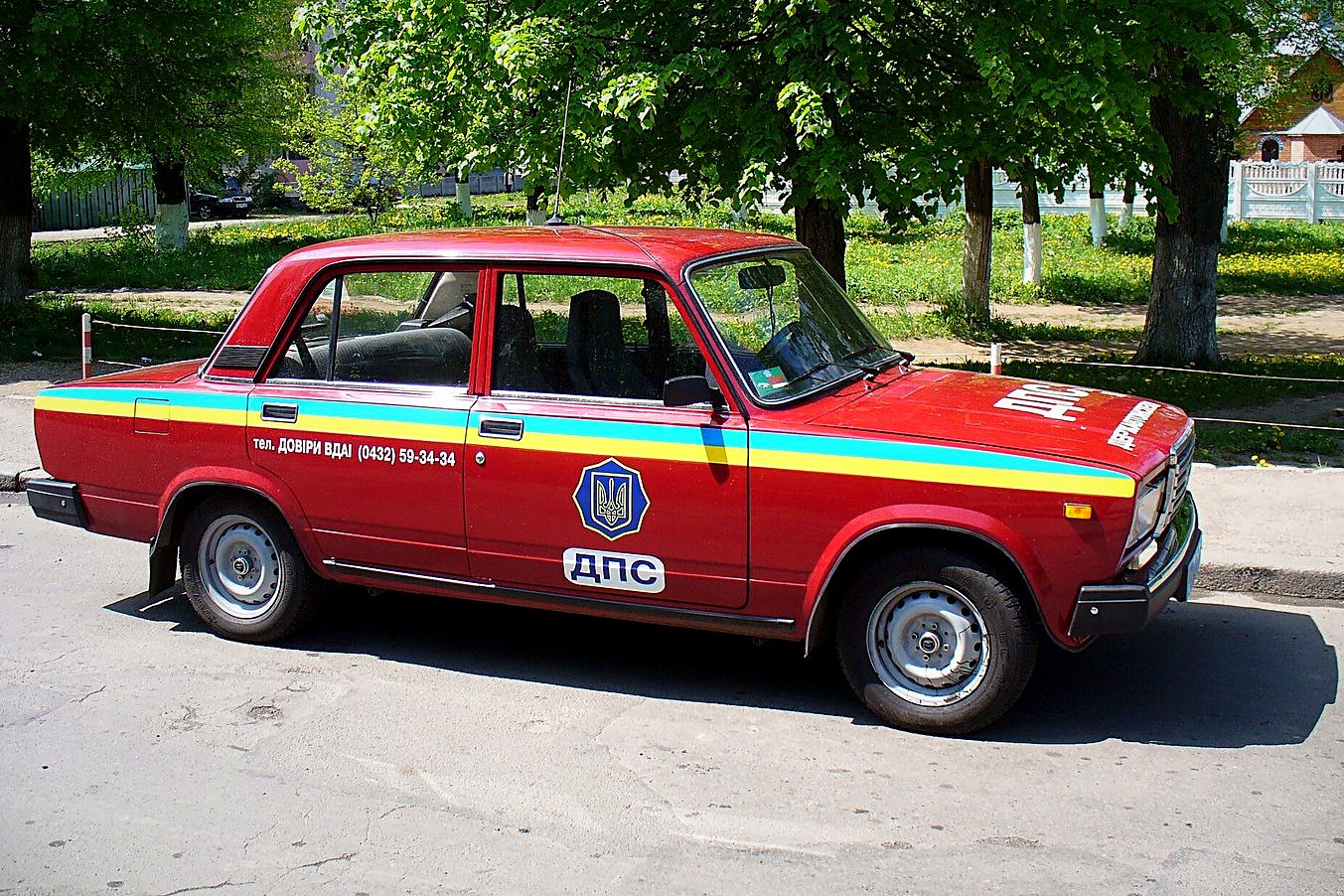
A boxy Fiat-derived saloon exported around the world for thirty years.
Made to order: your copy is researched, fact-checked, and typeset to our standard, then delivered within about two weeks. We'll email you the moment it's ready.
About the Lada Riva
The Lada Riva is the rear-wheel-drive saloon and estate that the Soviet Union built, and kept building, for more than three decades. Known internally as the VAZ-2105 (saloon), VAZ-2104 (estate), and VAZ-2107 (the upmarket saloon with the chrome grille), it was a restyled evolution of the original Zhiguli, itself a licensed and heavily reworked Fiat 124. Sold as the Riva in the United Kingdom, the Nova across much of Europe, and the Signet in Canada, it became one of the most exported cars ever to come out of the Eastern Bloc.
Its appeal is honesty. This is a car with no pretensions: a cast-iron pushrod and overhead-cam four up front, a live rear axle, a simple carburetor (later single-point fuel injection to meet emissions rules), and body panels a home mechanic can actually reach. It was cheap when new and cheap to keep, and that same simplicity now makes it a rewarding, endlessly fixable classic.
Specifications at a glance
| Years | 1980 to 2012 |
| Engine | 1.2 L to 1.7 L inline-four |
| Output | roughly 64 to 80 hp depending on displacement |
| Transmission | 4- and 5-speed manual |
| Layout | front engine, rear-wheel drive |
| Production | over 13.5 million badged as Riva |
Known issues to check before you buy
- Rust. This is the big one. Soviet steel and thin factory rustproofing mean rot appears in the sills, wheel arches, floors, boot floor, and around the windscreen. Inspect every seam and lift the carpets before you commit.
- Carburetor tune. The Weber-derived carburetor on early cars needs correct setting to run cleanly. Hesitation, hard starting, or heavy fuel use usually points to a worn or maladjusted carb rather than anything serious.
- Trim and electrics. Interior plastics, switches, and the basic wiring are cheaply made and age poorly. Check that lights, wipers, and heater all work, and expect brittle trim.
- Running gear wear. Listen for a whining rear axle, check kingpin and steering play, and feel for tired dampers on the live-axle suspension. All of it is cheap and straightforward to renew.
Owning one
The Riva rewards owners who enjoy working on their own car: parts are inexpensive and widely available, the mechanicals are forgiving, and almost every job can be done with basic tools in a home garage. This volume documents the Lada Riva specifically: verified specifications, the documented weak points and how to inspect each, the service data, and the parts and owner community that keep them on the road.
Inside this volume
Known issues & a survey guide
The documented weak points for this exact model, how to inspect each, and what a proper fix costs.
Full specifications
Every published figure, engine option, and running change, with the conflicts flagged, not guessed.
Systems & maintenance
Electrical, fuel, cooling, and drivetrain, plus service schedules and torque and fluid data.
Parts & community
Where the parts are, what cross-references, and the clubs and forums that keep the model alive.
Make it your car.
We fold in your year, your engine and options, your refits and modifications, your VIN, and your own car's photo on the cover. The book stops describing the car that left the factory and starts describing the one in your garage.