BMW R1200GS
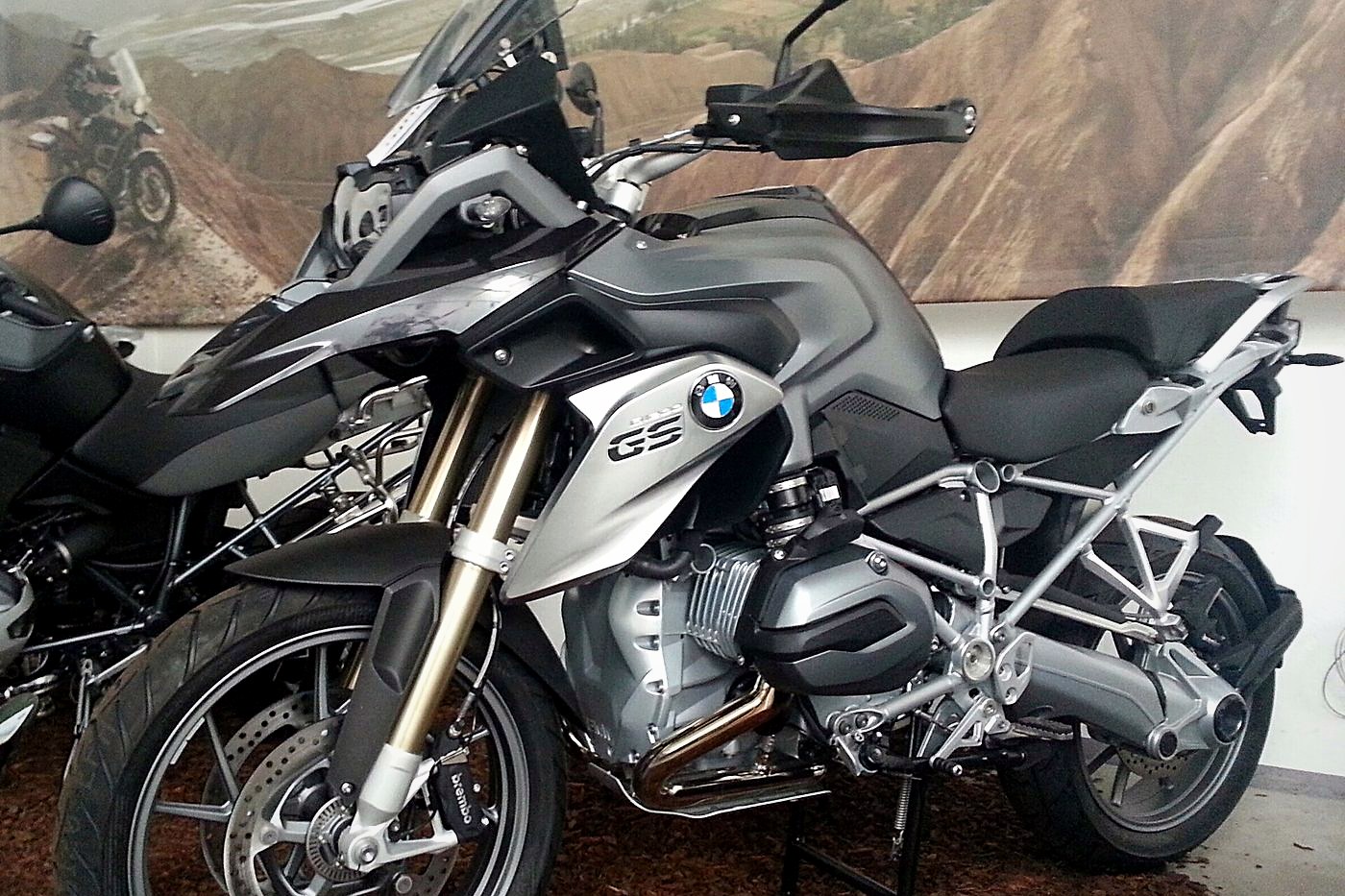
BMW's 2013 liquid-cooled GS introduced partial water cooling and ride-by-wire throttle while keeping the flat-twin layout.
Made to order: your copy is researched, fact-checked, and typeset to our standard, then delivered within about two weeks. We'll email you the moment it's ready.
About the BMW R1200GS (2013-2018)
The 2013 R1200GS was the biggest change to BMW's big adventure bike in decades. The old air and oil-cooled boxer twin gave way to a part liquid-cooled engine that riders nicknamed the "wethead", with redesigned heads, a wet clutch, and the gearbox built into the same housing as the engine. Output rose to 125 PS. Ride modes, traction control, and optional electronic suspension came with it.
The appeal is range in every sense. A GS will cross a continent two-up with luggage and still handle a gravel road at the end of it, and the dealer and accessory network behind it is unmatched. The 2013 to 2018 LC run (for liquid-cooled) sits just before the 1250, so it is the cheapest way into the modern GS.
Specifications at a glance
| Years | 2013 to 2018 (liquid-cooled "LC" generation) |
| Engine | 1,170 cc air/liquid-cooled boxer twin (101 x 73 mm) |
| Output | 125 PS (123 bhp) at 7,750 rpm |
| Torque | 125 Nm (92 lb-ft) at 6,500 rpm |
| Transmission | 6-speed, shaft final drive |
| Suspension | Telelever front, Paralever rear |
| Weight | 238 kg (525 lb) wet |
| Fuel capacity | 20 litres (5.3 US gal); 30 litres (7.9 US gal) on the Adventure |
Known issues to check before you buy
- Fork tube recall. The pressed-in sealing plug at the top of the fixed fork tube can slip, letting the tube separate from the upper triple clamp. The recall covers bikes built November 2013 to June 2017 (NHTSA campaign 17V438000); check by frame number that it was done.
- Water pump. Weeping coolant from the pump is common. A light sweat is tolerated; drips on the floor mean it needs replacing.
- Driveshaft seals and final drive. Water getting past the driveshaft seals wears the bearings. Listen for a whine or grinding from the rear and look for gear oil weeping at the drive.
- Rear brake pads. Owners report the rears wearing out early, some at 4,500 to 6,000 miles. Check pad thickness rather than trusting the mileage.
- Electronics and servos. Dynamic ESA shocks, the exhaust flap servo, and sensors are the usual failures. Cycle every mode on the test ride and read the fault memory.
Owning one
A well kept LC GS is genuinely tough, but it is still a BMW: services, tyres, and any electronic module are expensive, and a neglected one will hand you a final drive bill. Buy the history, not the mileage. This volume documents the BMW R1200GS (2013-2018) specifically: verified specifications, the documented weak points and how to inspect each, the service data, and the parts and owner community that keep them running.
Inside this volume
Known issues & a buyer's guide
The documented weak points for this exact model, how to inspect each, and what a proper fix costs.
Full specifications
Every published figure, engine and frame detail, and running change, with the conflicts flagged, not guessed.
Systems & maintenance
Engine, fueling, electrical, and chassis, plus service intervals and torque and fluid data.
Parts & community
Where the parts are, what cross-references, and the clubs and forums that keep the model alive.
Make it your bike.
We fold in your year, your engine and options, your rebuilds and modifications, your VIN, and your own motorcycle's photo on the cover. The book stops describing the bike that left the factory and starts describing the one in your garage.