BSA A65 Thunderbolt
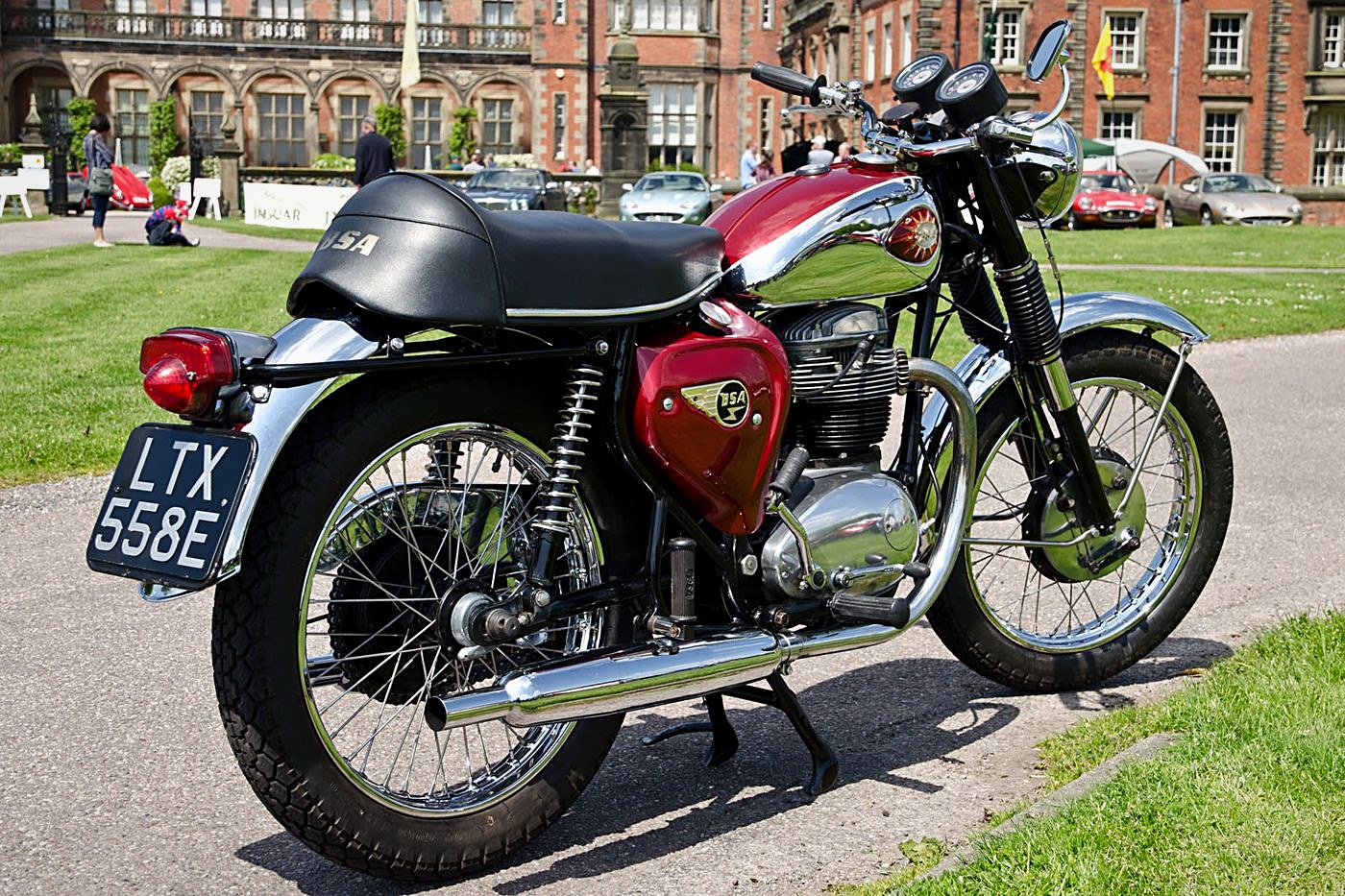
The single-carb 650 unit twin favored for its easy, tractable manners.
Made to order: your copy is researched, fact-checked, and typeset to our standard, then delivered within about two weeks. We'll email you the moment it's ready.
About the BSA A65 Thunderbolt (1962-1972)
The Thunderbolt is the sensible one in BSA's 650 twin family: the same 654 cc unit-construction engine as the Lightning, but with a single carburettor instead of two. You give up a little top-end urge and get easier starting, cleaner low-speed running, better economy, and one less carburettor to balance. It still ran to a genuine 104 mph (167 km/h).
For a first British twin it is the sane choice: the single Amal is simple to set up, parts support is good, and a Thunderbolt costs less than a Lightning in the same condition. Pre-1971 bikes with the traditional frame are easiest to live with.
Specifications at a glance
| Years | 1962-1972 (A65 unit twin; Thunderbolt name from 1964) |
| Engine | 654 cc air-cooled OHV parallel twin, 75 x 74 mm bore and stroke |
| Output | 46 bhp (34 kW) at 7,000 rpm |
| Fuelling | one Amal Monobloc carburettor, Amal Concentric from 1968 |
| Transmission | 4-speed gearbox, unit construction, chain final drive |
| Weight | 385 lb (175 kg) dry |
| Brakes | drum front and rear (twin leading shoe front from 1968) |
Known issues to check before you buy
- Timing-side main bearing. The crank runs in a plain bronze bush that wears. Once clearance opens up, oil pressure falls and the big ends follow. Rock the crank end for vertical play and ask whether a roller-bearing conversion has been fitted. BSA improved the bush for 1965, so early engines are most suspect.
- Crankshaft sludge trap. The crank carries a centrifugal trap that catches debris; if never emptied, it eventually feeds the big ends. Ask for a receipt showing the crank was stripped and the trap plug removed.
- Amal Monobloc flooding (pre-1968). The early single carburettor floods, which is why BSA switched to the Amal Concentric for 1968. Look for fuel staining down the crankcase and check it restarts hot.
- Vibration damage. The engine is bolted rigidly into the frame and it buzzes, so follow the vibration: cracked mudguard stays, split exhaust brackets, loose fasteners.
- 1971-1972 oil-in-frame. These carry engine oil in the frame backbone, so the oil ways must be clean before you trust the supply. The 1971 frame also gives a 34.5 in seat and a weak conical-hub front brake; 1972 lowered the seat.
Owning one
An A65 Thunderbolt is easy to maintain at home provided the bottom end is sound: everything above the crankcases is cheap, everything inside is not. Buy on documented engine work, not paint. This volume documents the BSA A65 Thunderbolt (1962-1972) specifically: verified specifications, the documented weak points and how to inspect each, the service data, and the parts and owner community that keep them on the road.
Inside this volume
Known issues & a buyer's guide
The documented weak points for this exact model, how to inspect each, and what a proper fix costs.
Full specifications
Every published figure, engine and frame detail, and running change, with the conflicts flagged, not guessed.
Systems & maintenance
Engine, fueling, electrical, and chassis, plus service intervals and torque and fluid data.
Parts & community
Where the parts are, what cross-references, and the clubs and forums that keep the model alive.
Make it your bike.
We fold in your year, your engine and options, your rebuilds and modifications, your VIN, and your own motorcycle's photo on the cover. The book stops describing the bike that left the factory and starts describing the one in your garage.