Aeronca 7AC Champion
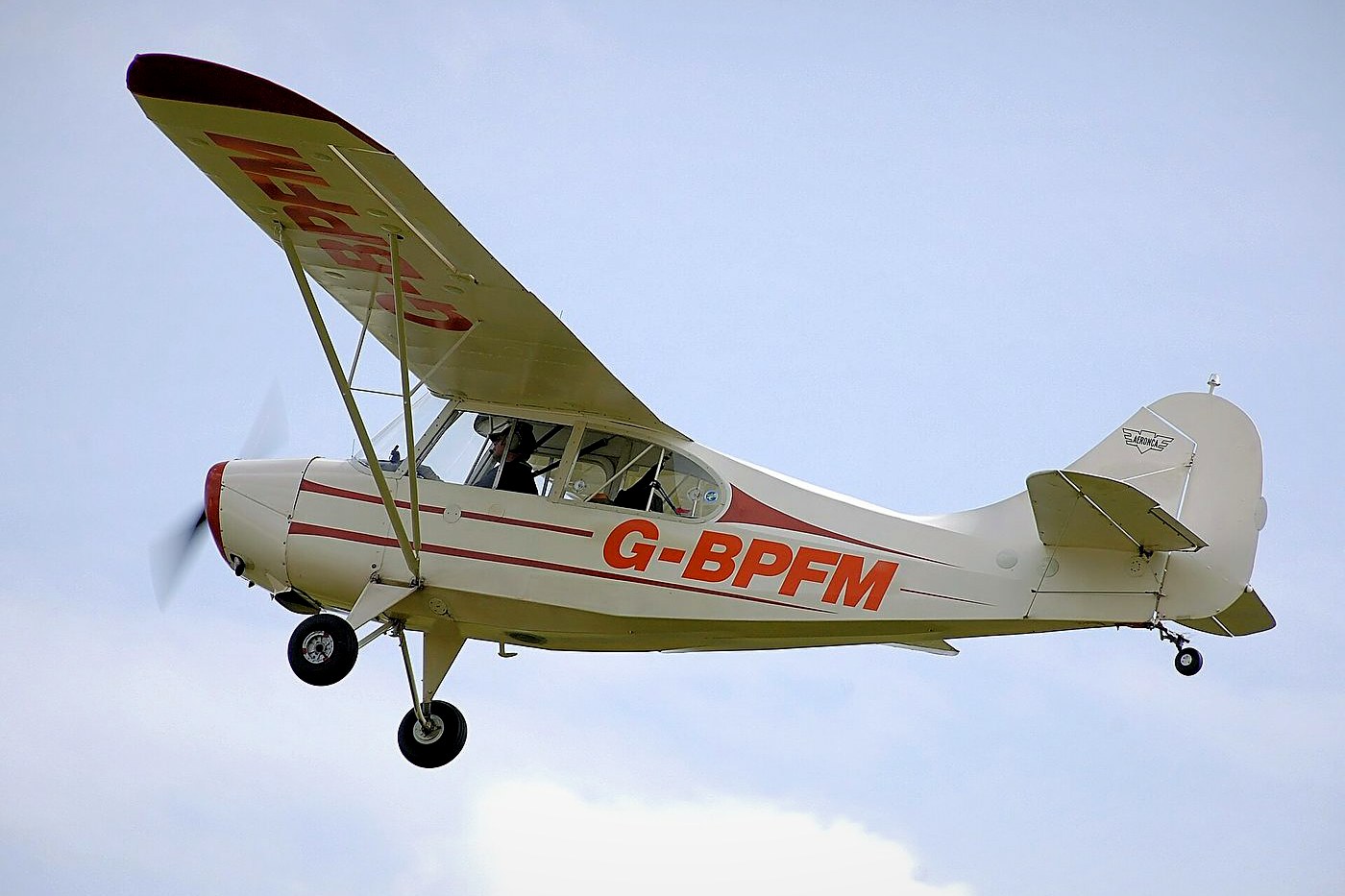
Tandem seating with the pilot up front and a 65 hp Continental made it the postwar trainer rival to the Cub, with over 7,000 built.
Made to order: your copy is researched, fact-checked, and typeset to our standard, then delivered within about two weeks. We'll email you the moment it's ready.
About the Aeronca 7AC Champion (1945-1948)
The 7AC Champion, universally called the Champ, taught a generation of Americans to fly. Aeronca built it for the postwar boom: a taildragger with a fabric-covered steel tube fuselage, wooden wing spars, and a 65 hp Continental engine. Roughly 7,200 left the Middletown, Ohio factory before the market collapsed in 1948.
The appeal is honesty. Pilot in front, passenger behind, and that tandem seating gives an unobstructed forward view and an airplane that flies the same solo or loaded. No electrical system, no flaps, nothing between you and stick and rudder. It is still the cheapest way into real tailwheel flying, and a good Champ teaches better than anything with a nosewheel.
Specifications at a glance
| Years | 1945 to 1948 |
| Engine | 65 hp (48 kW) Continental A-65-8, four cylinder, air cooled |
| Cruise | 85 mph (137 km/h), 95 mph (153 km/h) maximum |
| Useful load | 480 lb (218 kg) |
| Gross weight | 1,220 lb (553 kg) |
| Seats | two, in tandem |
| Wingspan | 35 ft 0 in (10.67 m) |
| Number built | approximately 7,200 |
Known issues to check before you buy
- Wooden wing spars. A mandatory FAA airworthiness directive requires the wood spars be checked for compression cracks, typically in the rear spar at the outboard strut attach. Confirm the logbook entry.
- Wing lift struts. The struts bracing the wing corrode internally. AD 99-01-05 R1 requires repeat corrosion and fork-crack inspections; oiled, sealed replacement struts end them; ask which are fitted.
- Wheels and hubs. A recurring AD crack inspection applies, and replacements are pricey and scarce. Check that it is current.
- Fuel leaks. The 13 gallon tank sits just ahead of the instrument panel, so a weeping line or sight gauge puts fuel in the cabin with you.
- Fabric and tubing. Fabric decays fast outdoors, so a tiedown Champ is a recover job waiting. Ask the recover date and punch-test results, and check the tubing beneath for rust.
- Gear legs and magnetos. Bent oleo (oil and spring) gear legs are costly, so look for hard-landing damage. Parts for the original Eisemann magnetos are scarce.
Owning one
A Champ is cheap to fly and cheap to keep if you have a hangar and a mechanic who likes old airplanes, and expensive in the places you cannot see: spars, struts, fabric. This volume documents the Aeronca 7AC Champion (1945-1948) specifically: verified specifications, the documented weak points and how to inspect each, the service data, and the parts and owner community that keep them flying.
Inside this volume
Known issues & a pre-buy guide
The documented weak points for this exact type, the airworthiness directives and service bulletins that bite, and what a pre-buy should catch.
Full specifications
Every published figure, engine and airframe detail, weights, and performance data, with the conflicts flagged, not guessed.
Systems & maintenance
Powerplant, fuel, electrical, and airframe, plus inspection intervals and the operating numbers that keep it flying.
Parts, shops & type club
Where the parts are, what cross-references, and the type clubs and owner groups that keep the fleet in the air.
Make it your aircraft.
We fold in your year, your engine and avionics, your mods and STCs, your registration, and your own aircraft's photo on the cover. The book stops describing the type that left the factory and starts describing the one in your hangar.