Airbus Helicopters AS350 B3 / H125
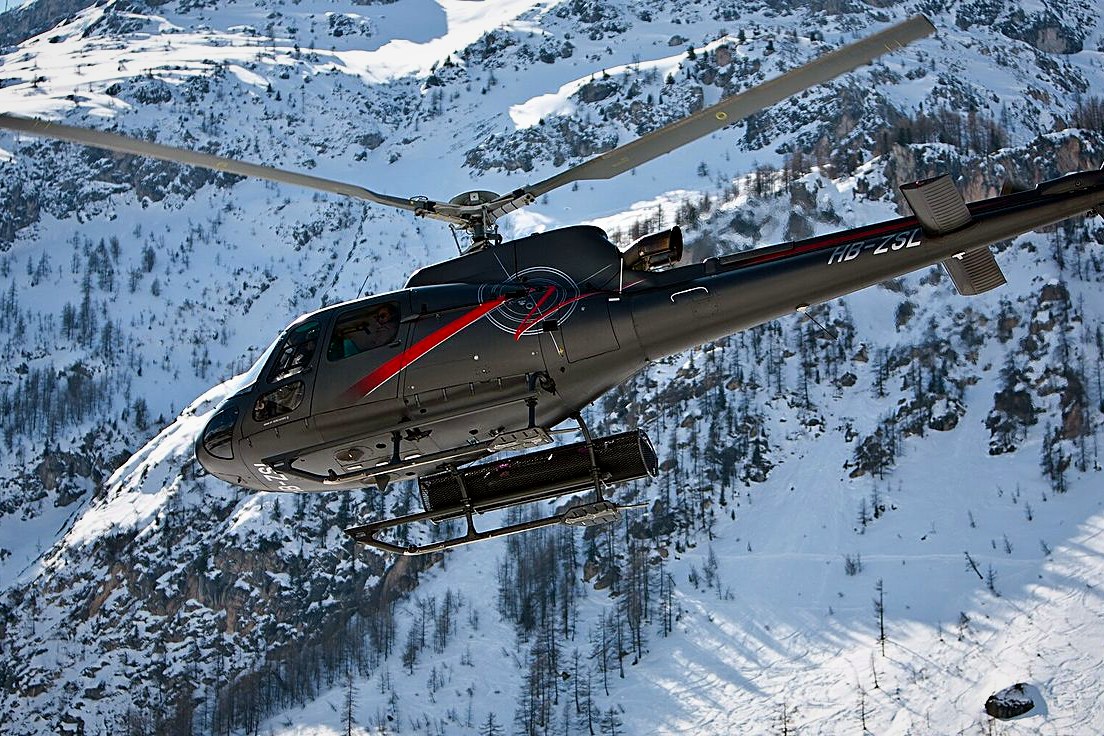
The AStar/Ecureuil single-engine workhorse, holds the record for the highest helicopter landing and is a mainstay of tour and utility fleets.
Made to order: your copy is researched, fact-checked, and typeset to our standard, then delivered within about two weeks. We'll email you the moment it's ready.
About the Airbus Helicopters AS350 B3 / H125 (1975-present)
The AS350 Ecureuil, sold in North America as the AStar and now badged H125, first flew in June 1974 and entered production in 1975. It has never left it. More than 7,200 have been delivered to over 2,600 operators in 137 countries, making it the definitive light single-turbine helicopter: one engine, a three-blade Starflex main rotor, and a cabin for a pilot plus six.
The B3 and today's H125 are the hot and high versions, and that is their whole point. In 2005 a factory AS350 B3 landed and took off from the 8,848 m (29,029 ft) summit of Everest, a record that still stands. That power margin is why the type dominates mountain work, sling loads, air ambulance, and fire.
Specifications at a glance
| Engine | one Safran Arriel 2D turboshaft, digital engine control (H125) |
| Power | 710 kW (952 shp) at takeoff |
| Fast cruise | 252 km/h (136 kt), maximum range 630 km (340 nm) |
| Useful load | 1,075 kg (2,373 lb) |
| Seats | 1 pilot plus 6 passengers, or 2 pilots plus 4 |
| Main rotor | three blades, 10.69 m (35.07 ft) diameter |
| Max takeoff weight | 2,370 kg (5,225 lb) internal, 2,800 kg (6,173 lb) with a sling load |
| Delivered | more than 7,200 across the Ecureuil family |
Known issues to check before you buy
- Tail rotor half-shell bearings. The laminated elastomeric half-bearings have drawn repeated inspections and airworthiness directives, including an emergency directive after a 2012 accident. Confirm every applicable tail rotor directive is closed out in the logbooks.
- Tail rotor pitch rod ball joints. Reports of damaged ball joints led to a directive requiring recurring inspection of the pitch change rod. Check it is signed off at every required interval, not just once.
- Yaw servo hydraulic switch. On dual-hydraulic aircraft, taking off with that switch off leaves the tail rotor with no hydraulic boost and lights no caution. Airbus issued a revised hydraulic test procedure: confirm the checklists reflect it.
- Hydraulic pump and drive belt. Both pump failures (one traced to loss of lubricant despite recent servicing) and drive belt failures are documented on the type. Inspect belt condition and tension, and get the pump's history.
- Cycles and component lives, not just hours. Arriel life is consumed by starts and power cycles as much as by flight time, and rotor head, blade, and gearbox parts are life-limited. Ask for module lives, cycle counts, the last borescope, and time remaining on every lifed part.
Owning one
An H125 is bought on paperwork. The airframe is famously simple to service, but the value sits in closed directives, remaining component lives, and honest engine records. This volume documents the AS350 B3 / H125 specifically: verified specifications, the documented weak points and how to inspect each, the service data, and the parts and operator community behind the type.
Inside this volume
Known issues & a pre-buy guide
The documented weak points for this exact type, the airworthiness directives and service bulletins that bite, and what a pre-buy should catch.
Full specifications
Every published figure, engine and airframe detail, weights, and performance data, with the conflicts flagged, not guessed.
Systems & maintenance
Powerplant, fuel, electrical, and airframe, plus inspection intervals and the operating numbers that keep it flying.
Parts, shops & type club
Where the parts are, what cross-references, and the type clubs and owner groups that keep the fleet in the air.
Make it your aircraft.
We fold in your year, your engine and avionics, your mods and STCs, your registration, and your own aircraft's photo on the cover. The book stops describing the type that left the factory and starts describing the one in your hangar.