American Champion 7ECA Citabria
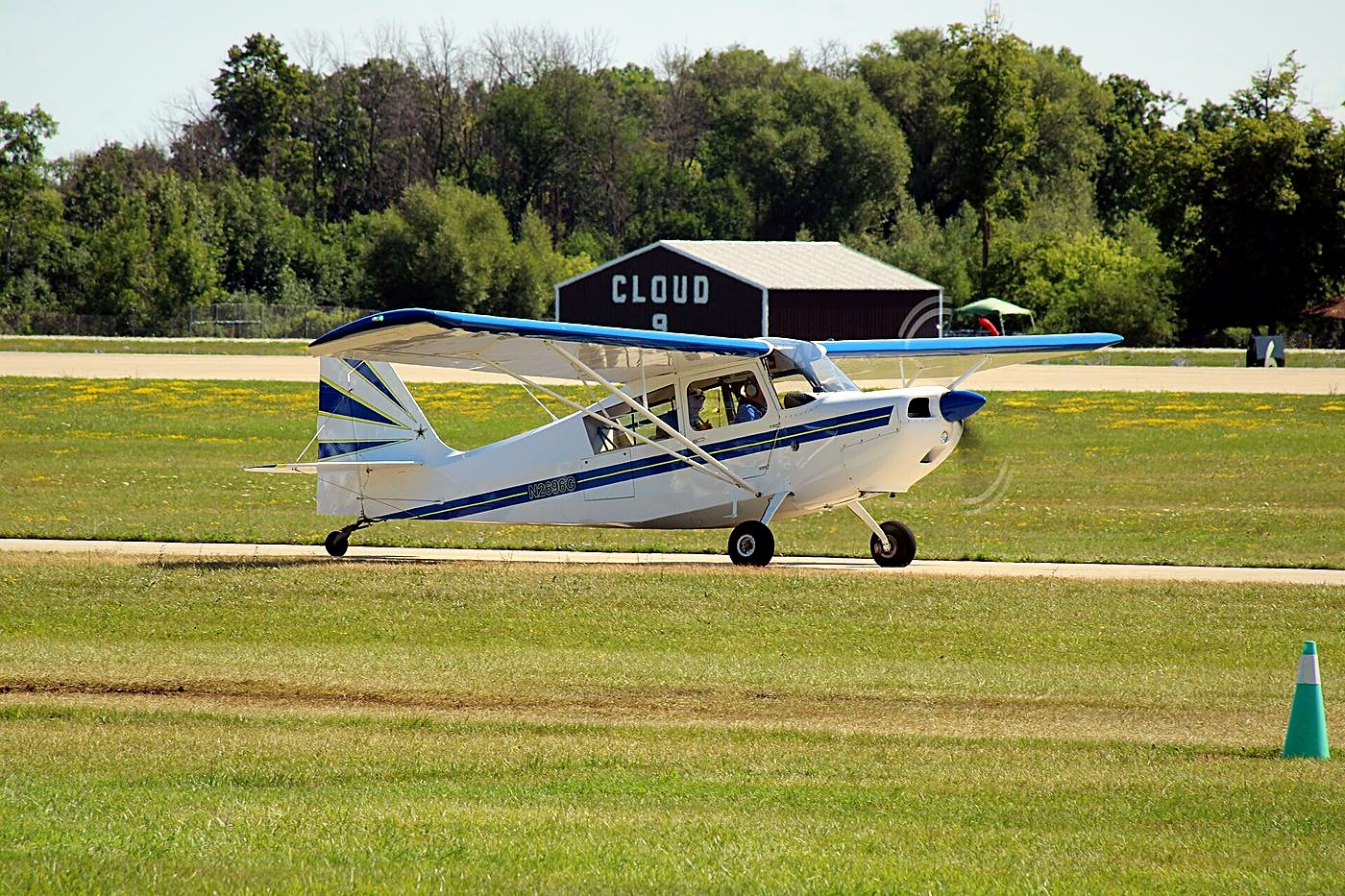
Fabric-covered two-seat taildragger certified for basic aerobatics, one of the most common airplanes for a pilot's first loops and rolls.
Made to order: your copy is researched, fact-checked, and typeset to our standard, then delivered within about two weeks. We'll email you the moment it's ready.
About the American Champion 7ECA Citabria (1964-present)
The Citabria (read the name backwards) is the friendliest way into legal aerobatics. Introduced in 1964 by Champion Aircraft, later built by Bellanca and back in production under American Champion since the 1990s, it is a tandem two-seat, tube-and-fabric taildragger cleared to +5 g and -2 g. The 7ECA is the entry model: the smallest engine in the family, and no inverted fuel and oil system, so positive-g maneuvers only.
The appeal is that it is docile at both ends of the envelope. It will teach a new pilot tailwheel discipline, roll and loop on a Saturday, and still cruise at 115 mph. It is not a hauler: with 630 lb of useful load, two adults means less than full tanks. What you get is a light, honest airplane a good shop can keep flying almost indefinitely.
Specifications at a glance
| Years | 1964 to present |
| Engine | Lycoming O-235-K2C, 118 hp at 2,800 rpm (early aircraft: 100 hp Continental O-200-A or 115 hp Lycoming O-235-C1) |
| Cruise | 115 mph at 75 percent power, about 4.5 hours |
| Gross weight | 1,750 lb (794 kg), 1,650 lb (748 kg) on early aircraft |
| Useful load | 630 lb (286 kg) |
| Wingspan | 33 ft 5 in (10.19 m) |
| Seats | 2, tandem |
| Built | more than 5,238 Citabrias of all variants |
Known issues to check before you buy
- Wooden wing spars. Aircraft built before the mid-1990s have wood spars, and FAA airworthiness directive 2000-25-02 R1 requires inspecting them for cracks, which turn up at the wing strut attach fittings. Ask to see the compliance record. American Champion moved to metal spars in the mid-1990s and sells retrofit wings.
- Sealed lift struts. The struts bracing the wings corrode from the inside, where nothing shows from outside, the same problem Piper and Taylorcraft owners face. Confirm they have been inspected and signed off in the logs.
- Spring steel main gear legs. These have a habit of snapping, so treat any corrosion pitting or nick in a leg as a red flag, and check the gear attach U-bolts for cracks.
- Fuselage tube corrosion. The airframe is welded steel tube under the fabric, and it rusts worst low and aft where water collects. That needs a mechanic who knows fabric aircraft and will open the panels.
- Fabric condition. Dacron covering has a finite life, shorter on an airplane tied down outside, and a recover is a major expense. Find out when it was last done and ask for punch test results.
Owning one
Running costs are low and a shop familiar with fabric aircraft can keep one flying for decades. The economics turn on two line items: the spar inspection and the next recover, so buy the airplane whose paperwork settles both. This volume documents the American Champion 7ECA Citabria (1964-present) specifically: verified specifications, the documented weak points and how to inspect each, the service data, and the parts and owner community that keep them flying.
Inside this volume
Known issues & a pre-buy guide
The documented weak points for this exact type, the airworthiness directives and service bulletins that bite, and what a pre-buy should catch.
Full specifications
Every published figure, engine and airframe detail, weights, and performance data, with the conflicts flagged, not guessed.
Systems & maintenance
Powerplant, fuel, electrical, and airframe, plus inspection intervals and the operating numbers that keep it flying.
Parts, shops & type club
Where the parts are, what cross-references, and the type clubs and owner groups that keep the fleet in the air.
Make it your aircraft.
We fold in your year, your engine and avionics, your mods and STCs, your registration, and your own aircraft's photo on the cover. The book stops describing the type that left the factory and starts describing the one in your hangar.