Beechcraft Baron 58
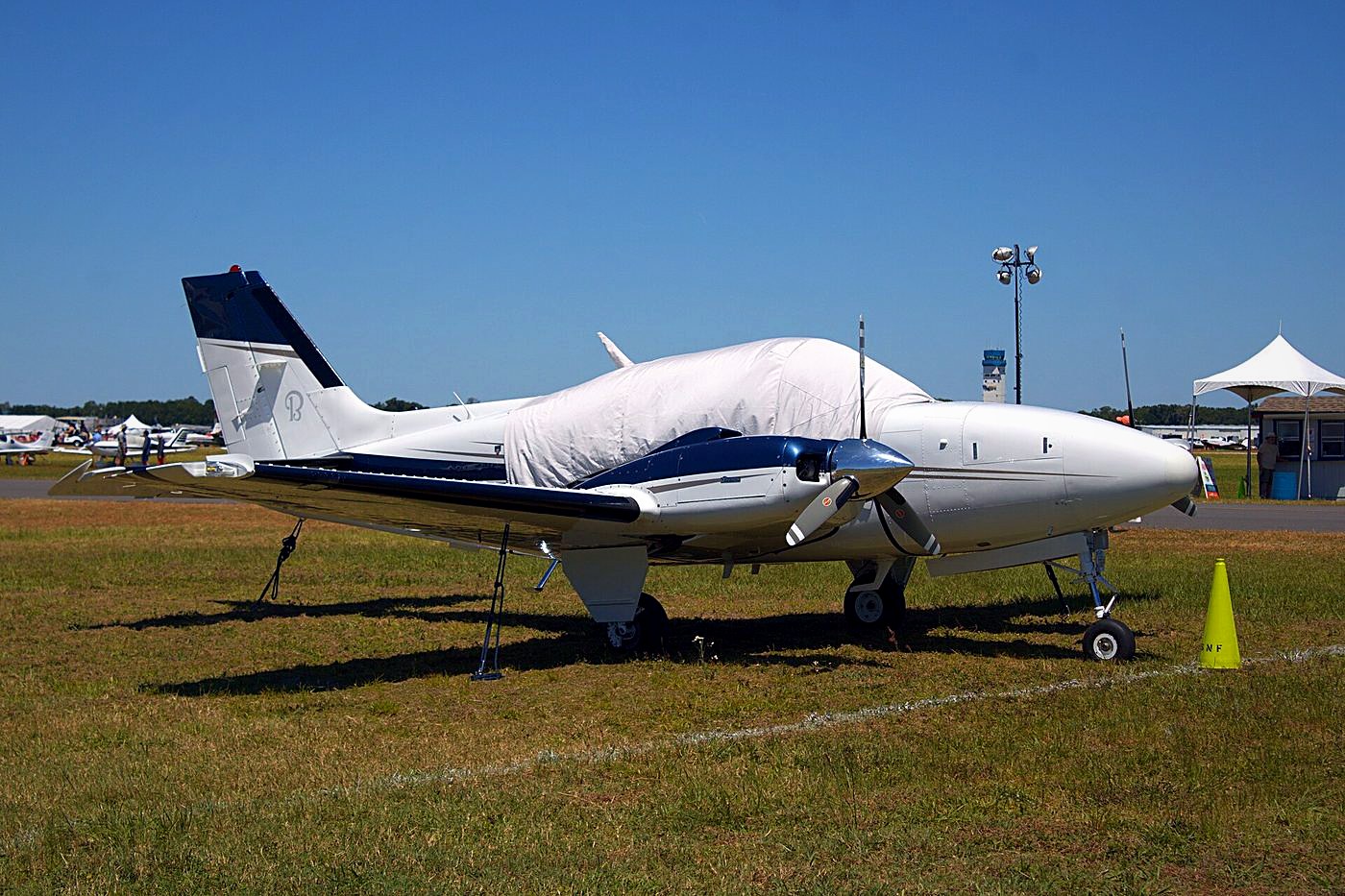
The stretched Baron adds a third cabin window and double aft doors, and it stayed in production long enough to gain Garmin G58 glass on late airframes.
Made to order: your copy is researched, fact-checked, and typeset to our standard, then delivered within about two weeks. We'll email you the moment it's ready.
About the Beechcraft Baron 58 (1970-2023)
The Baron 58 is the airplane other light piston twins get measured against. Beechcraft stretched the earlier Baron 55 and added large double doors at the right rear, which turned a tight twin into a six-seat airplane you can actually load. It stayed in production for more than five decades, built as the G58 with a Garmin G1000 panel from 2005.
The appeal is capability without complication. Two normally aspirated Continental sixes (no turbochargers to nurse) carry it at roughly 200 knots, the controls are heavy and honest, and parts and expertise are everywhere.
Specifications at a glance
| Years | 1970 to 2023 (G58 from 2005) |
| Engines | two Continental IO-520-C through 1983, IO-550-C from 1984 |
| Horsepower | 285 hp each (IO-520-C), 300 hp each (IO-550-C) |
| Cruise | about 200 knots (230 mph, 370 km/h) |
| Seats | 6 |
| Wingspan | 37 ft 10 in (11.53 m) |
| Gross weight | 5,400 lb (2,449 kg) through 1983, 5,500 lb (2,495 kg) after |
| Number built | 2,124 Model 58 airframes, plus later G58 production |
Known issues to check before you buy
- Forward spar carry-through cracks. AD 90-08-14 requires inspecting the wing forward spar carry-through at 1,500 hours total time, then every 500 hours. Cracks past the allowed limits mean a Beech reinforcement kit and 55 to 60 hours of labor, so find the last signed inspection first.
- Magnesium control surfaces. Some control surfaces are skinned in magnesium, which corrodes badly on airplanes kept outside or near salt water. Reskinning a pair of elevators can pass $10,000, and AD 89-05-02 covers cracking elevator components.
- IO-520 cylinders, cases and camshafts (1970 to 1983). The 285 hp IO-520-C appears in service difficulty reports for premature cylinder wear, cracked crankcases and broken camshafts, sometimes with low compression inside 500 hours. Insist on compression checks and a borescope of every cylinder.
- Fuel bladders. The wing tanks use rubber bladders that harden and seep with age. Look for blue stains under the wing, and if they have not been changed in 20 years, budget for a 12 to 14 hour job.
- Gear and flap switch layout on early airplanes. Early Barons put the gear and flap switches opposite the industry standard, which caused a long run of gear-up mistakes (later 58s fixed it). Check the belly skins and logs for a repaired gear-up landing.
Owning one
Budget like a twin owner: five figures a year all in, with annual inspections commonly $2,000 to $6,000 before squawks, and use a shop that knows Beech airframes. This volume documents the Beechcraft Baron 58 (1970-2023) specifically: verified specifications, the documented weak points and how to inspect each, the service data, and the parts and owner community that keep these airplanes flying.
Inside this volume
Known issues & a pre-buy guide
The documented weak points for this exact type, the airworthiness directives and service bulletins that bite, and what a pre-buy should catch.
Full specifications
Every published figure, engine and airframe detail, weights, and performance data, with the conflicts flagged, not guessed.
Systems & maintenance
Powerplant, fuel, electrical, and airframe, plus inspection intervals and the operating numbers that keep it flying.
Parts, shops & type club
Where the parts are, what cross-references, and the type clubs and owner groups that keep the fleet in the air.
Make it your aircraft.
We fold in your year, your engine and avionics, your mods and STCs, your registration, and your own aircraft's photo on the cover. The book stops describing the type that left the factory and starts describing the one in your hangar.