Bell 206B JetRanger III
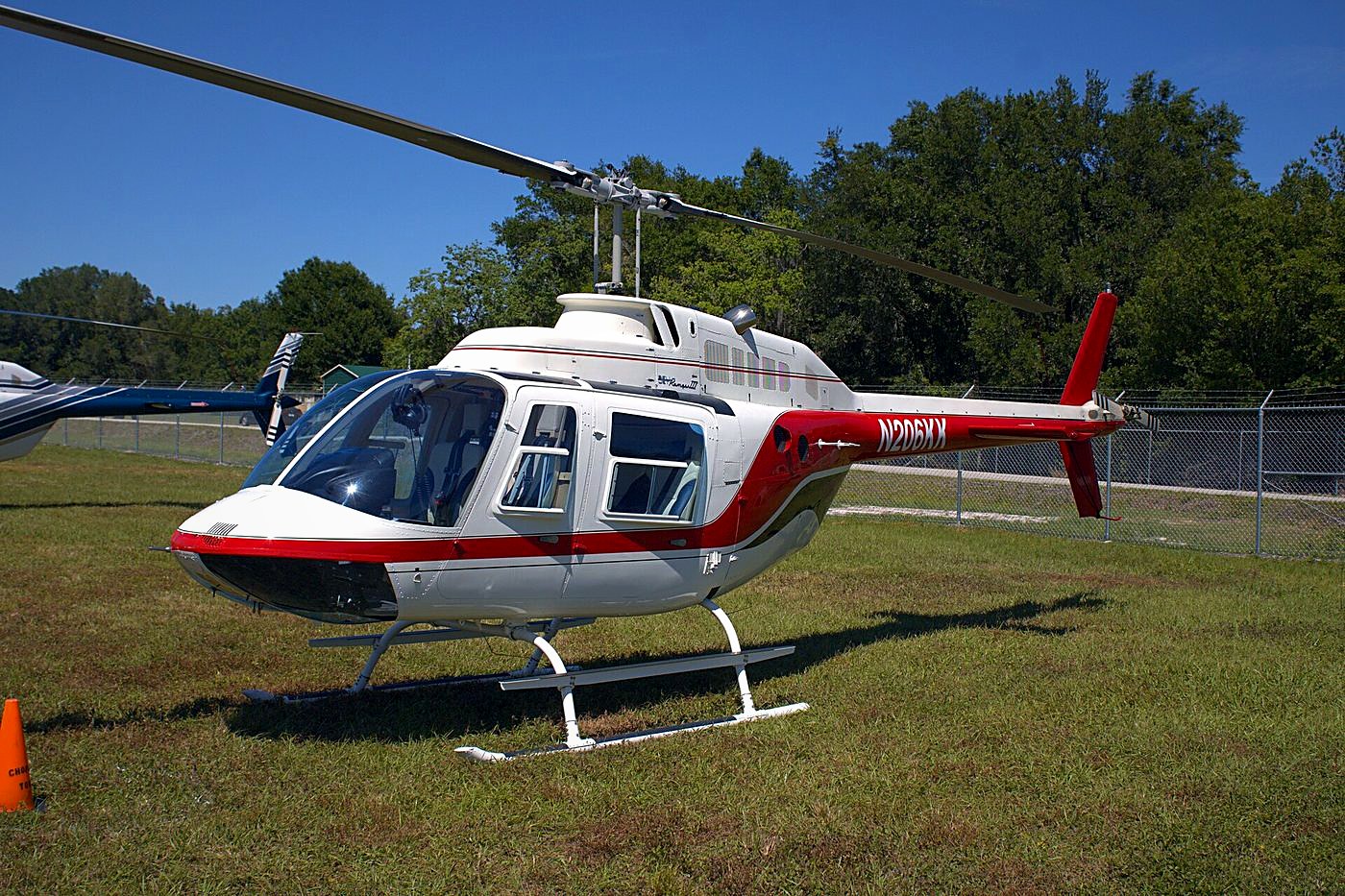
Allison/Rolls-Royce 250-powered five-seater with a deep parts and maintenance network, a common first turbine for private owners and small operators.
Made to order: your copy is researched, fact-checked, and typeset to our standard, then delivered within about two weeks. We'll email you the moment it's ready.
About the Bell 206B JetRanger III (1977-2010)
The JetRanger III is the definitive light turbine helicopter. Bell introduced it in 1977 with a stronger engine and a larger tail rotor than the 206B II, and built it until December 2010. Along the way it became the machine that trained turbine pilots and flew traffic reports, pipeline patrols, and news cameras.
The appeal is the installed base. Parts, mechanics, overhaul shops, and instructors who know the type are everywhere, which makes it the cheapest honest route into turbine flying. It is neither fast nor big, but a well-maintained 206B is smooth, forgiving, and thoroughly documented, and its running costs are predictable.
Specifications at a glance
| Years | 1977 to 2010 (about 7,300 Bell 206s of all types) |
| Engine | Rolls-Royce (Allison) 250-C20J turboshaft |
| Power | 317 shp (236 kW) takeoff, capped by the transmission |
| Seats | 5 (pilot and four passengers) |
| Main rotor diameter | 33 ft 4 in (10.16 m) |
| Max gross weight | 3,200 lb (1,451 kg), or 3,350 lb (1,520 kg) slung |
| Cruise | 115 to 120 kt (215 to 220 km/h), sources differ |
| Engine overhaul | every 3,500 hours |
Known issues to check before you buy
- Freewheeling unit. This is the clutch that lets the rotor keep turning if the engine stops. A blocked oil restrictor or water in the transmission oil corrodes it, and CASA airworthiness bulletin 63-002 documents failures that yielded the mast and separated the main rotor. Confirm the transmission oil filter kit (Bell TB 206-79-31) is fitted.
- Tail rotor blade cracks. FAA AD 2007-01-06, superseding AD 2004-24-08, covers skin cracks near the trailing edge balance weight, after cases where a lost weight fractured three of the four tail rotor gearbox attachments. Check the repeat inspections.
- Tension-torsion straps. These hold each main rotor blade to the hub. Cracks in the urethane coating let water in and corrode the strap, which can then fail before its published life. Bell alert service bulletin 206-13-130 cut the life limit on some part numbers, so check numbers against hours and age.
- Tail boom. Fatigue cracking around the boom attachment is a known finding, and alert service bulletins call for inspection every 100 hours. Look for signed inspections, not fresh paint.
- Life-limited components. The airworthiness limitations list is long, and parts retire on hours or calendar time (the main rotor yoke at 4,800 hours or 10 years). A cheap airframe with components near retirement is not cheap.
Owning one
Buy the records, not the paint. Time remaining on the engine and on the life-limited rotor and drive parts sets the real price, and a component status sheet reconciled against the logbooks tells you most of it. This volume documents the Bell 206B JetRanger III (1977-2010) specifically: verified specifications, the documented weak points and how to inspect each, the service data, and the parts and owner community.
Inside this volume
Known issues & a pre-buy guide
The documented weak points for this exact type, the airworthiness directives and service bulletins that bite, and what a pre-buy should catch.
Full specifications
Every published figure, engine and airframe detail, weights, and performance data, with the conflicts flagged, not guessed.
Systems & maintenance
Powerplant, fuel, electrical, and airframe, plus inspection intervals and the operating numbers that keep it flying.
Parts, shops & type club
Where the parts are, what cross-references, and the type clubs and owner groups that keep the fleet in the air.
Make it your aircraft.
We fold in your year, your engine and avionics, your mods and STCs, your registration, and your own aircraft's photo on the cover. The book stops describing the type that left the factory and starts describing the one in your hangar.