Cessna T182T Turbo Skylane
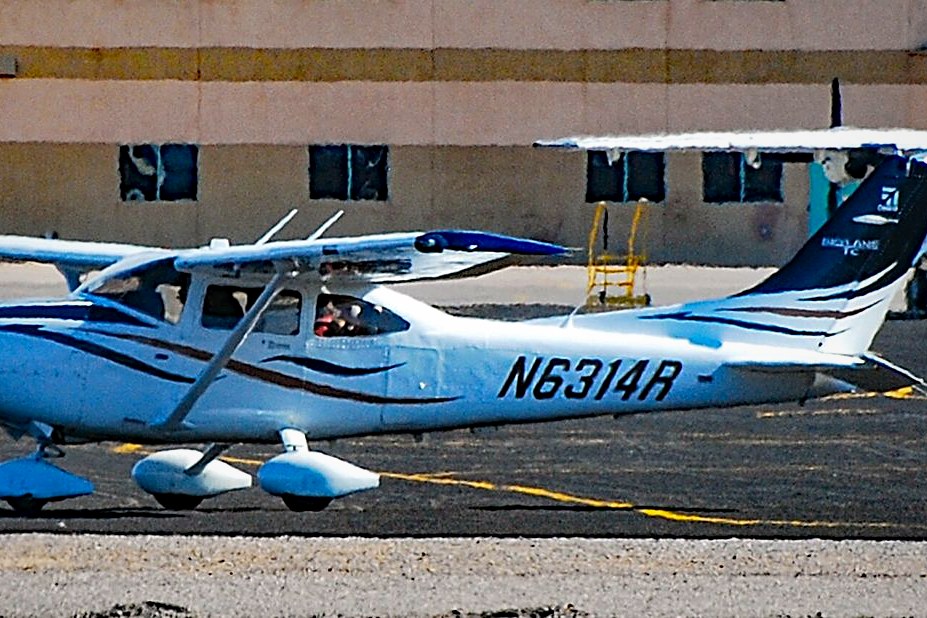
A turbocharged, glass-panel Skylane that holds high-altitude cruise speeds; owners budget for turbo and exhaust upkeep on top of normal Skylane costs.
Made to order: your copy is researched, fact-checked, and typeset to our standard, then delivered within about two weeks. We'll email you the moment it's ready.
About the Cessna T182T Turbo Skylane
The Cessna T182T Turbo Skylane is the turbocharged version of the restarted Skylane line that Cessna brought back in 2001. It is a high-wing, fixed-gear, four-seat single powered by a turbocharged Lycoming TIO-540, and it kept the deep bench of virtues that made the 182 an owner favorite for decades: a stable platform, a genuine useful load, forgiving manners, and enough short-field capability to get in and out of the airports most owners actually use.
What the turbocharger adds is altitude. The TIO-540 holds its rated power well up into the flight levels, so the T182T climbs strongly, cruises fast in thinner air, and clears terrain and weather that leave a normally aspirated 182 wishing for more. Early airplanes came with Bendix/King panels, and from the mid-2000s Cessna delivered the type with the Garmin G1000 glass cockpit, which is the configuration most buyers now seek. For a pilot who wants one airplane that hauls a real load, flies high, and holds its value, the Turbo Skylane is a strong and sensible answer.
Specifications at a glance
| Type | Turbocharged high-wing single |
| Years | 2001 to 2013 |
| Engine | Lycoming TIO-540-AK1A (turbocharged) |
| Horsepower | 235 hp at 2,400 rpm |
| Seats | 4 |
| Landing gear | Fixed tricycle |
| Avionics | Bendix/King early, Garmin G1000 from the mid-2000s |
| Cruise | about 158 knots |
| Service ceiling | 20,000 feet |
Known issues to check before you buy
- Turbocharger and exhaust. Turbo systems run hot, so inspect the turbocharger, wastegate, and the full exhaust for cracks, leaks, and slop. Confirm the previous owner cooled and managed the engine sensibly rather than shock-cooling it.
- Cylinder and engine time. Review compressions, oil analysis, and time since overhaul. High-output turbo sixes reward careful operation and honest maintenance records.
- G1000 databases and avionics. On glass airplanes, confirm current navigation databases, a WAAS-capable position source for modern GPS approaches, and a clean autopilot check.
- Corrosion and service history. Look for corrosion in the wings, spar, and belly, especially on coastal or hangar-shy airframes, and read the logbooks for completed service bulletins and airworthiness directives.
Owning one
A well-kept Turbo Skylane is a rewarding airplane to own: capable, comfortable, and backed by one of the largest parts and support networks in general aviation. This volume documents the Cessna T182T Turbo Skylane specifically: verified specifications, the documented weak points and how to inspect each, the maintenance and inspection data, and the parts and owner community that keep them flying.
Inside this volume
Known issues & a pre-buy guide
The documented weak points for this exact type, the airworthiness directives and service bulletins that bite, and what a pre-buy should catch.
Full specifications
Every published figure, engine and airframe detail, weights, and performance data, with the conflicts flagged, not guessed.
Systems & maintenance
Powerplant, fuel, electrical, and airframe, plus inspection intervals and the operating numbers that keep it flying.
Parts, shops & type club
Where the parts are, what cross-references, and the type clubs and owner groups that keep the fleet in the air.
Make it your aircraft.
We fold in your year, your engine and avionics, your mods and STCs, your registration, and your own aircraft's photo on the cover. The book stops describing the type that left the factory and starts describing the one in your hangar.