Flight Design CTSW
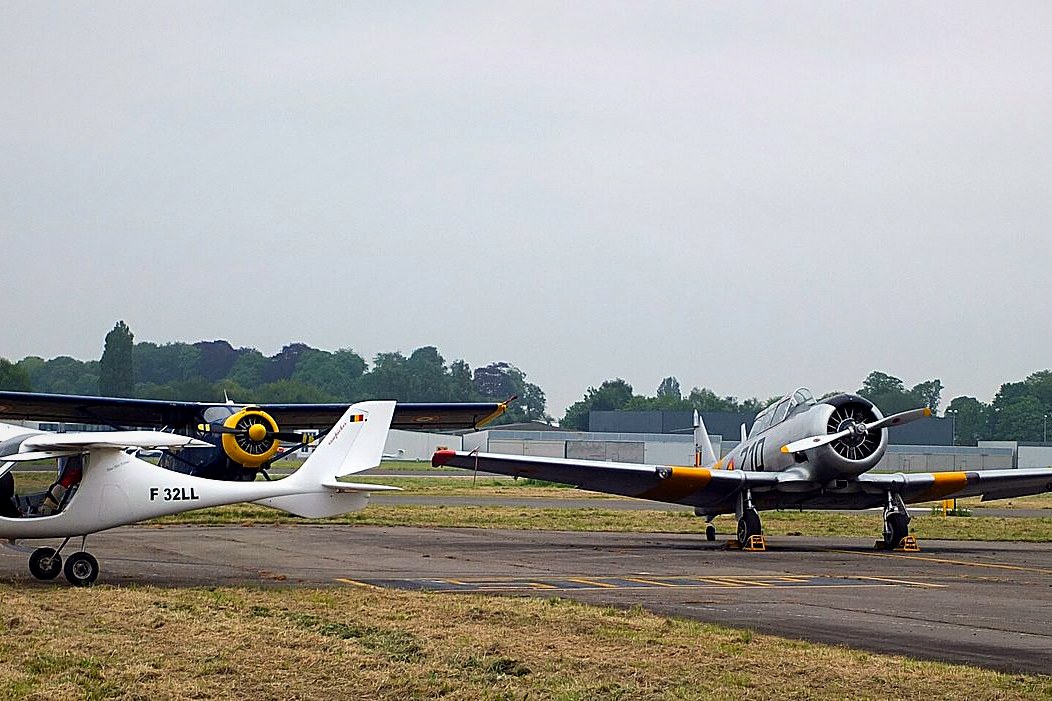
One of the first SLSA aircraft accepted by the FAA in 2005, it defined the high-cruise composite LSA class before the longer CTLS replaced it.
Made to order: your copy is researched, fact-checked, and typeset to our standard, then delivered within about two weeks. We'll email you the moment it's ready.
About the Flight Design CTSW
The CTSW is the airplane that defined the modern Light Sport category. Introduced by Germany's Flight Design as the short-wing evolution of the CT line, it is a two-seat, high-wing Special Light Sport Aircraft (S-LSA) built almost entirely from carbon fiber composite. The "SW" stands for short wing, a change that made the airplane crisper on the controls and a little quicker than the original CT while keeping its long legs and efficient cruise. From 2005 through 2011 it was the best-selling aircraft in the fledgling LSA market, both in the United States and worldwide.
For pilots, the appeal is a rare combination: a genuinely fast, fuel-sipping cross-country machine that still fits inside the sport-pilot rules. The composite airframe gives one of the widest cabins in the class, the Rotax engine sips fuel by the hour, and the whole airplane is light enough to feel lively yet stable enough to fly for hours. It flies more like a serious traveling airplane than a trainer, which is exactly why so many owners chose it.
Specifications at a glance
| Type | Two-seat high-wing Light Sport Aircraft |
| Years | 2005 to 2011 |
| Engine | Rotax 912 ULS |
| Horsepower | about 100 hp |
| Construction | Carbon fiber composite |
| Seats | 2 |
| Category | Special Light Sport Aircraft (S-LSA) |
| Gross weight | 1,320 lb (LSA limit) |
| Cruise | about 112 knots (75% power) |
Known issues to check before you buy
- Composite airframe care. Composite structures do not corrode, but they do not hide damage the way aluminum does. Inspect for prior repairs, hangar rash, delamination, crazing in the gelcoat, and evidence of the airplane living outside in strong sun.
- Rotax rubber and hose replacement. The Rotax 912 has calendar-based rubber replacement items (fuel hoses, coolant hoses, carburetor components). Confirm the rubber-replacement service and the gearbox inspections were done on schedule, not just at hour intervals.
- Ballistic parachute repack. The CTSW carries a whole-airframe recovery parachute with a rocket and canopy that expire. Check the repack and rocket-replacement dates, because bringing an overdue system current is a real expense.
- Service history and airworthiness directives. As an S-LSA, the airplane follows the manufacturer's maintenance manual and service bulletins. Look for a complete logbook, current bulletin compliance, and a maintainer who knows Rotax and composites.
Owning one
A well-kept CTSW rewards its owner with long range, low fuel burn, and running costs closer to a motorcycle than a certified four-seater, which is why the type still holds its value and its following. This volume documents the Flight Design CTSW specifically: verified specifications, the documented weak points and how to inspect each, the maintenance and inspection data, and the parts and owner community that keep them flying.
Inside this volume
Known issues & a pre-buy guide
The documented weak points for this exact type, the airworthiness directives and service bulletins that bite, and what a pre-buy should catch.
Full specifications
Every published figure, engine and airframe detail, weights, and performance data, with the conflicts flagged, not guessed.
Systems & maintenance
Powerplant, fuel, electrical, and airframe, plus inspection intervals and the operating numbers that keep it flying.
Parts, shops & type club
Where the parts are, what cross-references, and the type clubs and owner groups that keep the fleet in the air.
Make it your aircraft.
We fold in your year, your engine and avionics, your mods and STCs, your registration, and your own aircraft's photo on the cover. The book stops describing the type that left the factory and starts describing the one in your hangar.