Piper PA-28R-201 Arrow III
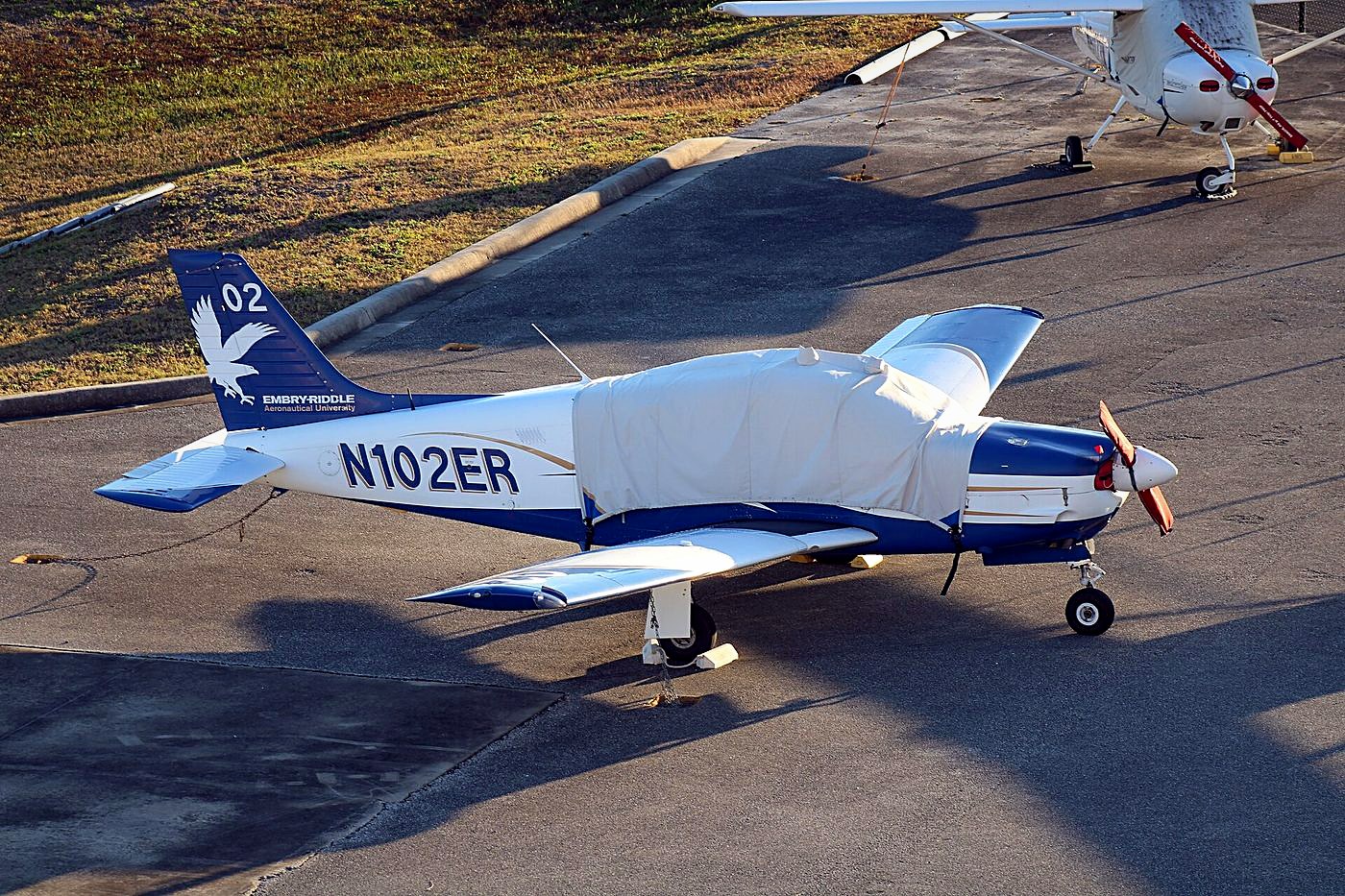
A tapered-wing Arrow with more fuel and range; still a favored complex trainer, and later turbo variants add altitude capability.
Made to order: your copy is researched, fact-checked, and typeset to our standard, then delivered within about two weeks. We'll email you the moment it's ready.
About the Piper PA-28R-201 Arrow III
The Piper PA-28R-201 Arrow III is a four-seat, single-engine, retractable-gear airplane that sits at the top of the long-running Cherokee family. Introduced for the 1977 model year, the Arrow III paired the proven PA-28 airframe with a new semi-tapered wing and folding main gear, giving owners a genuine complex, high-performance single that still lands and handles like the fixed-gear Cherokees so many pilots learn on.
That combination is exactly why the Arrow endures. It is one of the most common complex trainers in the country, the airplane countless pilots fly to earn the retractable-gear and high-performance endorsements, and a practical four-place cross-country machine for the owner who wants speed and range without stepping up to a twin. Parts, mechanics, and type knowledge are everywhere, which keeps it flying.
Specifications at a glance
| Type | Single-engine, four-seat, retractable-gear light aircraft |
| Years | 1977 to present |
| Engine | Lycoming IO-360 (fuel-injected, four-cylinder) |
| Horsepower | 200 hp |
| Seats | 4 |
| Landing gear | Retractable tricycle |
| Role | Complex/high-performance trainer, personal cross-country |
Known issues to check before you buy
- Retractable landing gear system. The hydraulic gear is the defining maintenance item on this type. Confirm a recent, clean gear swing, inspect for hydraulic leaks and worn actuators, check emergency (free-fall) extension operation, and review the logs for any hard or gear-up landing history.
- Automatic gear extension device. Early Arrows carry a backup system that lowers the gear automatically at low airspeed and low power. Piper later issued service guidance allowing its removal, so many aircraft have had it disabled while others retain it. Determine which configuration you are buying and how it was documented, then include it in your checkout.
- Corrosion and airworthiness directives. As with any airframe now decades old, inspect the wing spar area, control surfaces, and hidden structure for corrosion, and confirm all applicable Piper PA-28 airworthiness directives and service bulletins have been complied with and signed off.
- Engine time and condition. Verify time since major overhaul against the recommended TBO, and review compressions, oil analysis, and cylinder history. Fuel injection also means checking the servo, lines, and hot-start behavior.
Owning one
An Arrow III rewards an owner who respects the gear system and stays ahead of the inspection schedule, and in return delivers speed, range, and true complex-single capability at a reachable price. This volume documents the PA-28R-201 Arrow III specifically: verified specifications, the documented weak points and how to inspect each, the maintenance and inspection data, and the parts and owner community that keep them flying.
Inside this volume
Known issues & a pre-buy guide
The documented weak points for this exact type, the airworthiness directives and service bulletins that bite, and what a pre-buy should catch.
Full specifications
Every published figure, engine and airframe detail, weights, and performance data, with the conflicts flagged, not guessed.
Systems & maintenance
Powerplant, fuel, electrical, and airframe, plus inspection intervals and the operating numbers that keep it flying.
Parts, shops & type club
Where the parts are, what cross-references, and the type clubs and owner groups that keep the fleet in the air.
Make it your aircraft.
We fold in your year, your engine and avionics, your mods and STCs, your registration, and your own aircraft's photo on the cover. The book stops describing the type that left the factory and starts describing the one in your hangar.