An air-cooled engine has no radiator, no coolant, and no water pump to fail. It runs a fan and a set of finned castings, and it announces itself with a hard-edged clatter that no modern car makes anymore. That mechanical honesty, along with a mechanical simplicity that a patient owner can actually learn, is why these cars still have a devoted following. This guide is for anyone weighing a first air-cooled classic, and it is honest about the weak points as well as the charm.
The people's cars
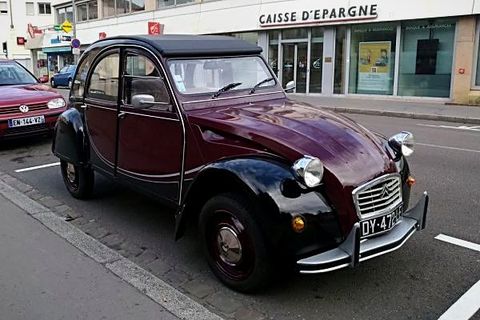
The Citroen 2CV was built to carry a farmer and a basket of eggs across a plowed field without breaking either. Its flat-twin makes very little power, so you drive it flat out and grinning, leaning through corners on that famously soft suspension. Parts and club support are excellent after a 42-year production run. Know going in that early cars are slow enough to need planning on modern roads, and that the thin steel bodies rust, so inspect the chassis and floors before anything else.
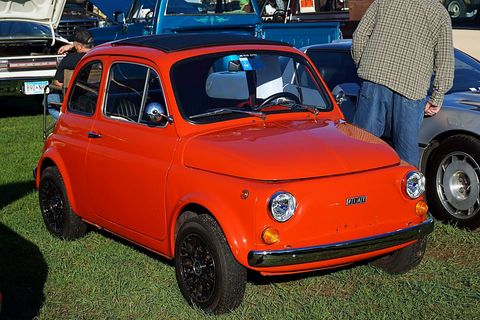
The Fiat 500 motorized postwar Italy on a rear-mounted two-cylinder that barely cracks 20 horsepower in early form. It is tiny, cheerful, and genuinely usable in a city where a normal car cannot park. The upright two-cylinder is simple to service, but it is working hard at any real speed, so this is a neighborhood car, not a highway car. Watch for rust in the floors and sills, and be realistic that a full restoration can cost more than a good driver.
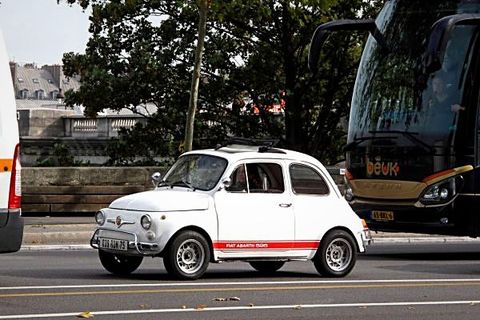
The Abarth 595 is what happens when Carlo Abarth's tuning shop gets hold of that same 500. Owners often ran it with the engine lid propped open for cooling, which tells you how hard these little motors were pushed. It is quick, loud, and collectible, with values well above a standard 500. The flip side is that genuine cars command real money and replicas exist, so provenance and documentation matter more here than on almost anything else on this list.
The cars that built Porsche
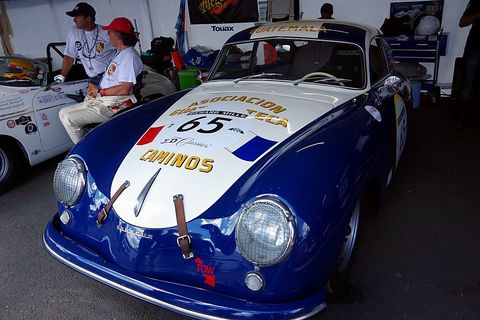
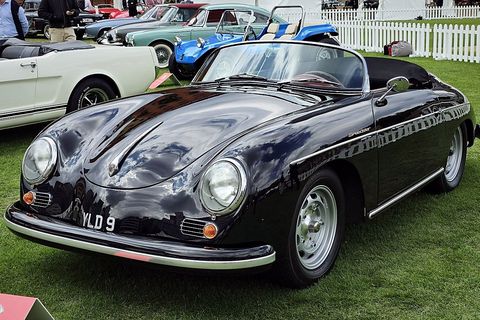
The Porsche 356 Pre-A is where the whole story starts, including the split-window and bent-window coupes that collectors chase. These are early, hand-built cars with modest power and drum brakes, so they reward a gentle, period-correct driving style rather than aggression. They are also expensive and increasingly rare, which means originality drives value. Budget for specialist help, because the people who truly know these cars are not on every corner.
The Porsche 356 is the more developed version of that idea and the one most buyers actually shop for, culminating in the exotic four-cam Carrera. It is a light, delicate, wonderfully balanced car that feels alive at sane speeds. Rust is the enemy here too, particularly in the longitudinals and battery box, and a soft-looking floor can hide a very expensive repair. A pre-purchase inspection by someone who knows 356s is not optional.
The air-cooled 911, generation by generation
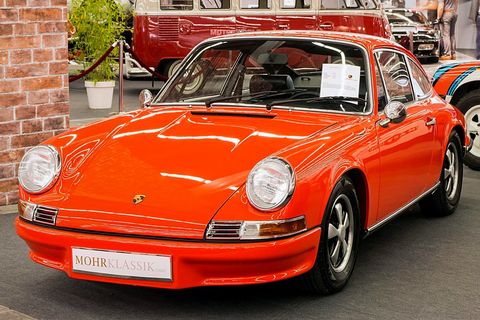
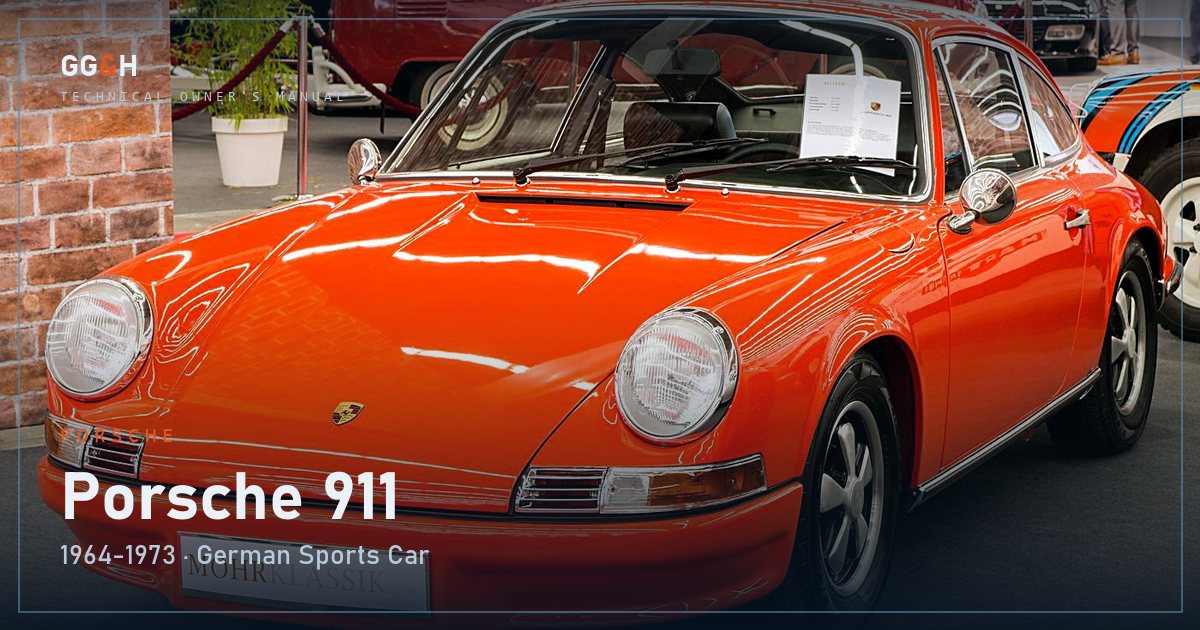
The original 911 ran from a 2.0-liter up to the revered 2.7 Carrera RS, and it set the template every later car answered to. These early cars are pure, communicative, and now very valuable, especially the short-wheelbase examples that demand respect at the limit. They also carry classic-car needs: rust, tired suspension bushings, and the reality that a proper engine rebuild is a five-figure event.
The impact-bumper 911 covers fifteen years and, from 1976, galvanized bodies that resist rust far better than the earlier cars. This is the smart entry point for many buyers: usable, robust, and backed by deep parts support. Two things to know. Early 2.7 engines can be fragile, so the later 3.0 and 3.2 Carrera engines are the ones enthusiasts prize, and the mechanical concern shifts from rust toward oil leaks and worn valve guides.
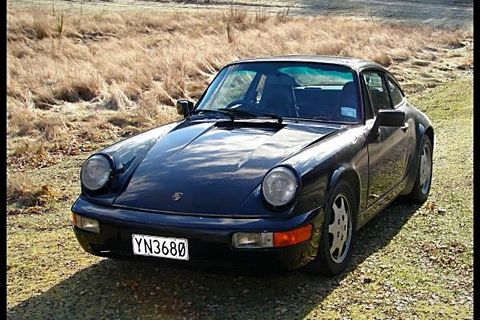
The 964 modernized the formula with coil springs, power steering, and available all-wheel drive, so it feels far more manageable in daily use while still being unmistakably air-cooled. It is the bridge between vintage and modern. The known issues are specific: dual-mass flywheels, leaking engine cases on early cars, and worn suspension components that make an otherwise good car feel tired.
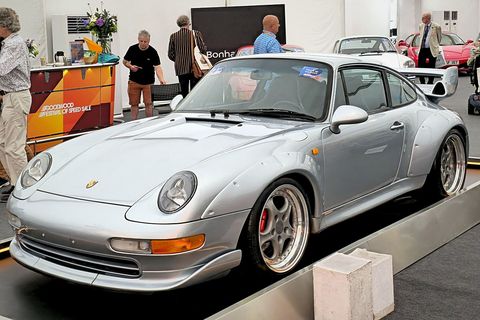
The 993 is the last air-cooled 911 and, for many, the sweet spot, thanks to a multi-link rear suspension that finally tamed the classic tail-happy handling. It is fast, beautifully built, and usable every day, which is exactly why prices are high and still climbing. Watch for secondary air injection system faults and worn valve guides, and accept that condition and service history, not just mileage, decide what a good one is worth.
Where this leaves you
Air-cooled ownership is a trade. You give up the refinement of a modern car and take on rust checks, oil leaks, and specialist bills. In return you get a machine you can understand, a sound nothing else makes, and values that have held up remarkably well. Whichever one you land on, Garage, Galley & Hangar publishes a model-specific owner's reference manual for each of these cars, written around the exact things a buyer and owner needs to know. Browse the full cars catalog to find yours.