No decade shaped aviation like the 1940s. The first half poured a generation of engineering talent, and almost unlimited money, into fighters, bombers, and trainers that had to work the first time. The second half turned that industrial machine loose on peacetime: factories that had been building warplanes started building small, affordable airplanes for a public that suddenly wanted to fly. The result is a strange and wonderful spread of machines, from carrier fighters that still command seven figures to two-seat taildraggers a working pilot can actually afford. This roundup is for the owner-flyer and the serious dreamer: someone weighing what it really costs to buy, insure, maintain, and fly a piece of this era, not just admire it at a show.
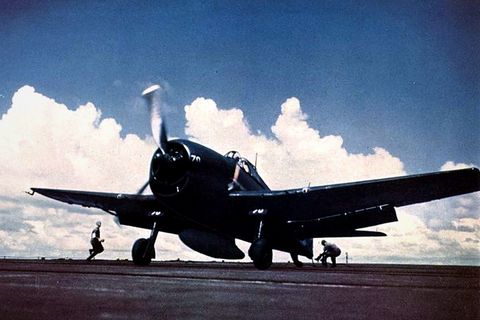
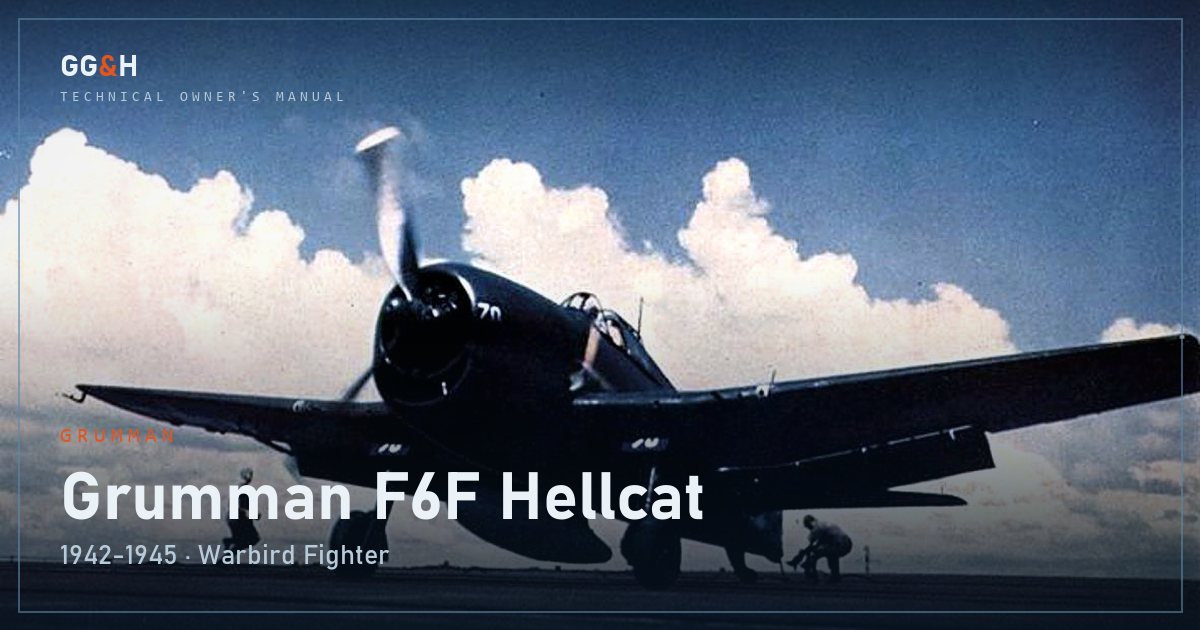
The Grumman F6F Hellcat is the fighter most people picture when they think of naval air power in the war. It earned a reputation as forgiving to fly for something so large and powerful, which is part of why survivors are so prized. That said, "forgiving" is relative to other warbirds, not to a Cessna. The real story for an owner is the Pratt and Whitney R-2800 up front: overhaul and reserve costs on that engine dominate the operating budget, and everything else is secondary.
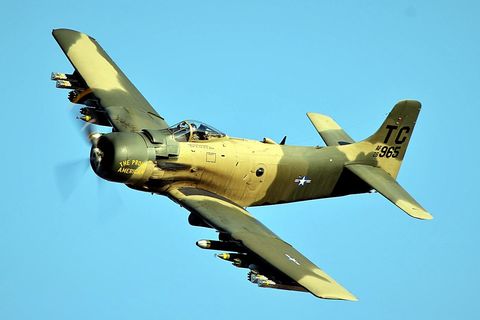
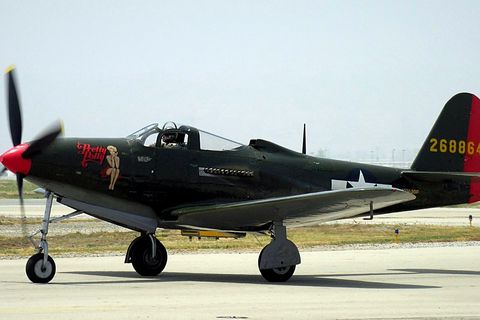
If the Hellcat is the approachable giant, the Douglas A-1 Skyraider is the heavyweight. A big single-seat attack aircraft built around the enormous Wright R-3350, it is one of the most complex piston warbirds a civilian can own. Parts, fuel burn, and the sheer scale of maintenance put it firmly in the category of a full-time, well-funded project. The Bell P-63 Kingcobra is rarer still and stranger: its Allison engine sits behind the pilot, driving the propeller through a long shaft that runs beneath the cockpit. It is a genuinely unusual layout, and few restorers or mechanics know it well, so specialist support matters as much as the purchase price.
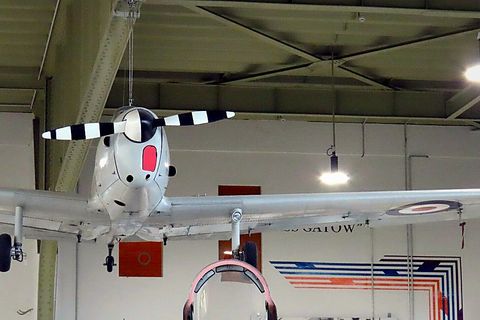
For most people, warbird ownership begins somewhere gentler. The de Havilland Canada DHC-1 Chipmunk is a common and sensible entry point: a Gipsy Major-powered taildragger trainer that is relatively cheap to operate while still carrying real vintage-military pedigree. It rewards stick-and-rudder skill without threatening to bankrupt you, which is exactly why so many first-time owners land here.
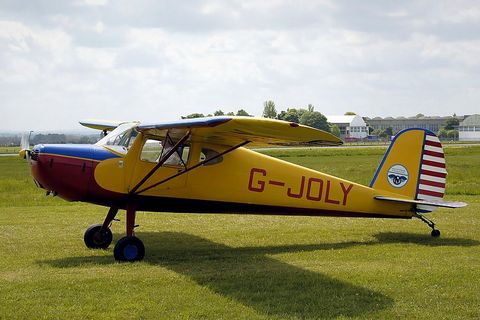
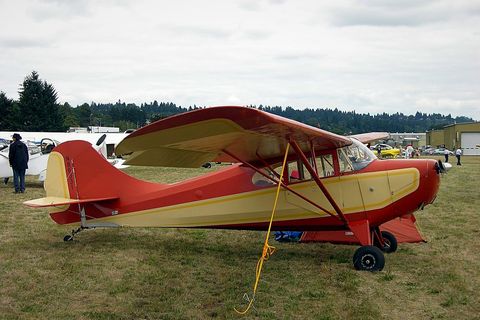
The postwar civilian boom is where the 1940s gets truly accessible. The Cessna 120 is the economy version of the 140, trading flaps and rear side windows for a lower price. Its metal wing is a quiet advantage: owners skip the periodic fabric recover that haunts some of its fabric-winged rivals. The Aeronca 11AC Chief covers similar ground with a friendlier cabin, seating two side by side rather than in tandem like its Champ sibling, while sharing much of the same airframe and modest engine options. Both are honest, simple airplanes, but "simple" still means an aging airframe that needs a careful pre-buy and an owner who respects a taildragger's ground manners.
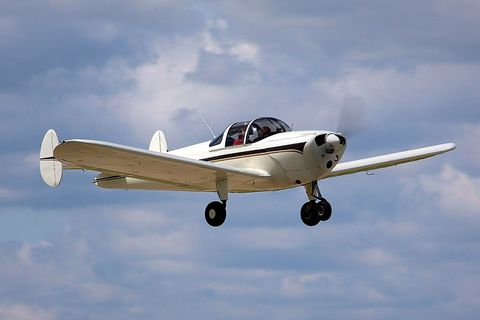
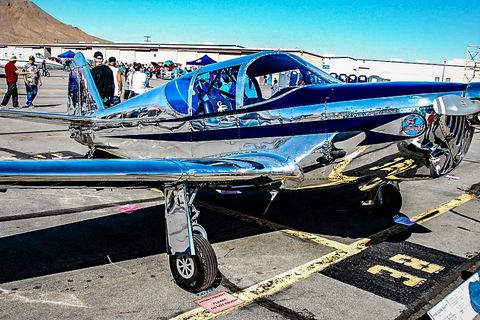
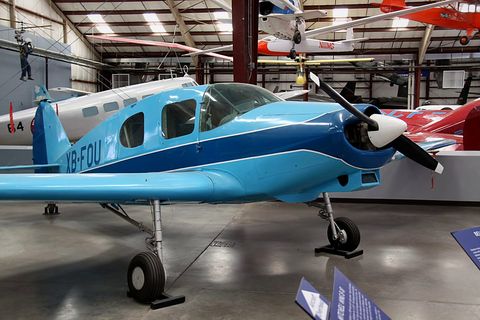
The Ercoupe 415 took a different philosophy entirely. Designed to be spin-proof with interconnected controls, it is a tricycle-gear two-seater rather than a taildragger, and it flies unlike almost anything else of the period. It is charming and unusual, and worth understanding on its own terms before you commit. For owners who want speed and are willing to work for it, the Globe GC-1B Swift is a sleek all-metal retractable two-seater with a devoted modification community; many have been re-engined well above the original 85 horsepower, so no two are quite alike and each needs to be evaluated individually.
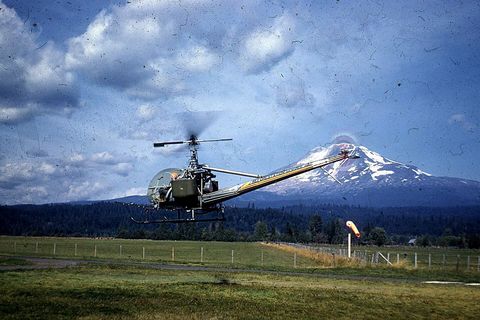
Two more deserve a look for buyers with specific ambitions. The Bellanca 14-13 Cruisair Senior is a wood-wing retractable four-seater with a distinctive triple tail, and that wood wing is the whole conversation: glue joints and wood condition must be inspected thoroughly, every time, by someone who knows what they are looking at. And the Hiller UH-12E reminds us the decade produced rotorcraft too. This three-seat piston helicopter, recognizable by the Rotormatic control paddles above the rotor, is still flown privately and in agricultural work, though piston-helicopter ownership carries maintenance demands and training requirements all its own.
The through-line across all of these is honesty about cost and complexity. A 1940s airplane is a rewarding thing to own, but none of them is a modern airplane, and the fighters in particular are serious financial and operational commitments that reward deep preparation and specialist support. Do the pre-buy, budget the engine reserve, and get transition training in type before you fly. GG&H publishes a model-specific owner's reference for each of these aircraft, written around the airframe, systems, and gotchas that actually matter in ownership. Browse the full lineup at /hangar/.