Nobody builds a sports car quite like the British. The recipe is deceptively simple: keep it light, keep the driver close to the road, and let feel win the argument over horsepower. The result is a class of cars that steer, brake, and communicate in a way the spec sheet never captures. The catch is that the same country gave us Lucas electrics, thin steel that rusts if you look at it wrong, and a parts supply that ranges from wonderfully deep to maddeningly thin. Classic British sports cars are for the owner who wants to be involved, who does not mind chasing a wiring gremlin on a Saturday, and who understands that the smile per mile is the whole point. Here are ten worth knowing.
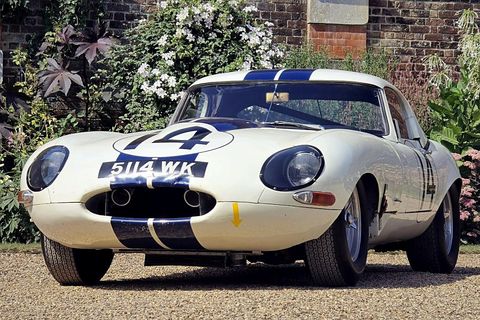
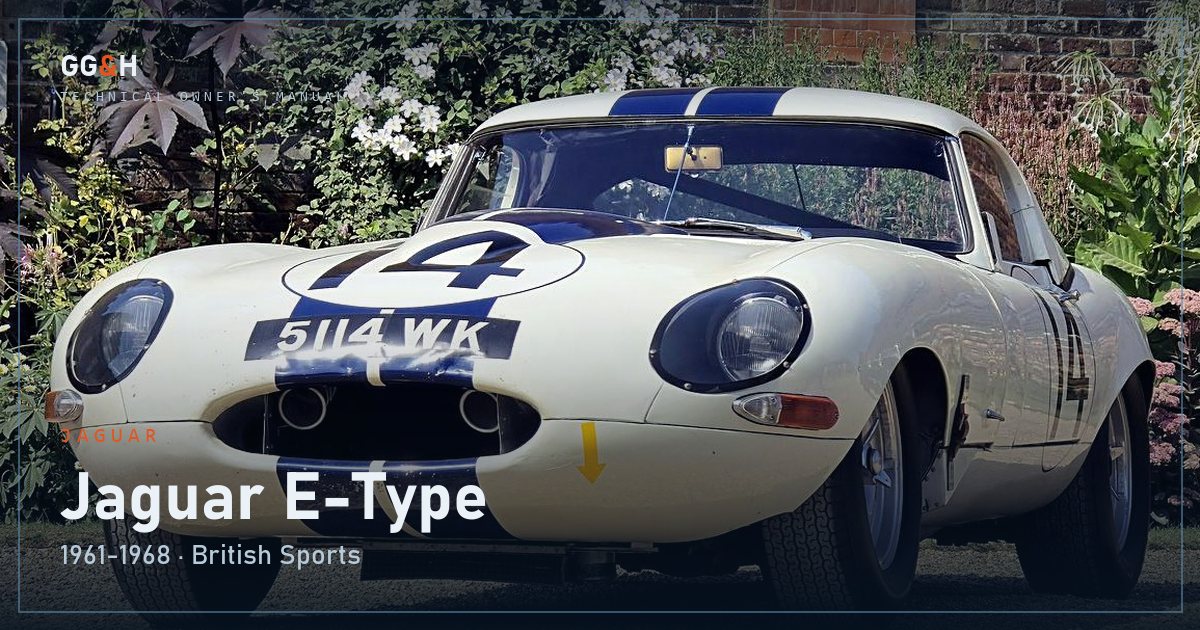
The Jaguar E-Type is where any list like this has to start. The covered-headlight Series 1 is the car Enzo Ferrari reportedly called the most beautiful ever made, and in person it lives up to it. The 3.8 and later 4.2 straight-six pull cleanly, and the independent rear end was a revelation in 1961. Owners should know the monocoque and its bonnet panels rust in the sills, floors, and bulkhead, and originality carries a big premium, so a matching-numbers car is worth verifying carefully.
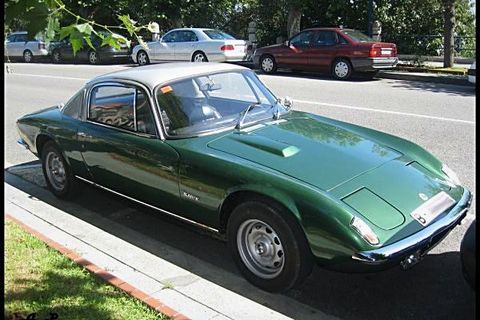
The Lotus Elan is the purist's answer. Its steel backbone chassis and fiberglass body kept weight tiny, and the twin-cam Ford-based four gave it real pace. It set the handling standard that Lotus has chased ever since. The backbone chassis can corrode where you cannot see it, the vacuum-operated pop-up headlights are fussy, and body fit was never a strength, so buy on mechanical honesty rather than shine.
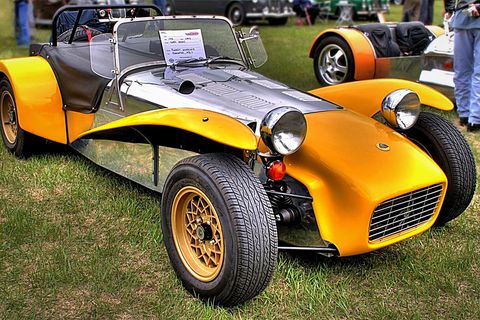
The Lotus Seven is barely a car and all the better for it. Colin Chapman stripped everything that did not make it faster, and what remains is a rolling go-kart that became the template for the Caterham still sold today. Weather protection is a suggestion, and there is no crash structure to speak of, so treat it as the fair-weather toy it is and enjoy one of the most direct driving experiences money can buy.
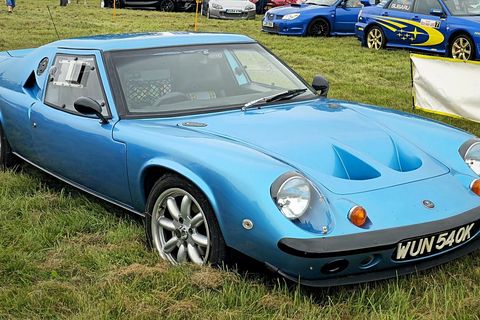
The Lotus Europa put a mid-mounted engine in an affordable road car years before that was normal. The payoff is balance and grip; the price is rearward visibility best described as theoretical, and early cars with fixed side windows feel claustrophobic. Watch the chassis and the Renault or twin-cam drivetrain for neglect.
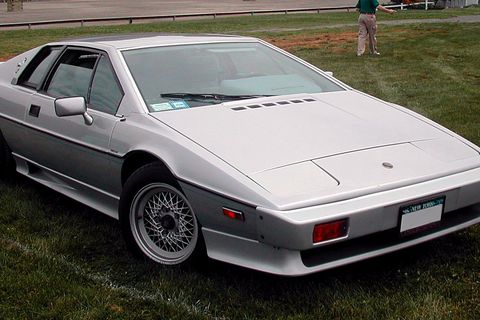
The Lotus Esprit S1 is the Giugiaro wedge that famously turned submarine in a James Bond film. It looks like nothing else and drives with the delicacy Lotus is known for. These early cars are the least powerful Esprits, and electrics, cooling, and interior trim all demand patience, so budget for sorting rather than assume a clean car stays clean.
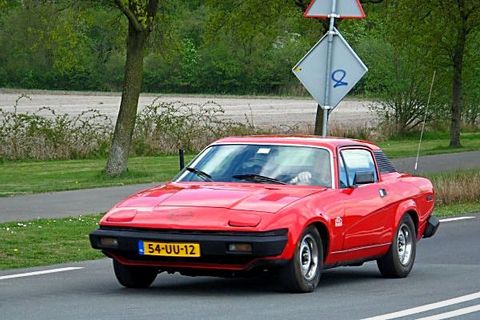
The Triumph TR7 is the affordable way in. Its sharp wedge shape was a clean break from the curvy TRs before it, and the driving experience is honest and cheerful. Build quality during its troubled production was inconsistent, and rust in the sills and front valance is common, but prices are low and parts are plentiful, making it a genuinely usable first classic.
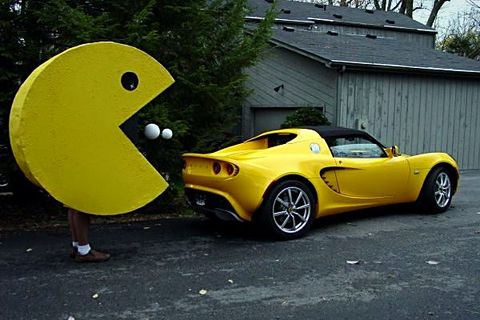
The Lotus Elise proved the featherweight formula still worked in the modern era. Its bonded-aluminum tub weighs almost nothing, so a modest Rover K-series engine delivers thrilling response and steering feel with no power assistance to dull it. The K-series head gasket is the known weak point, so confirm it has been addressed, and accept that getting in and out is an acquired skill.
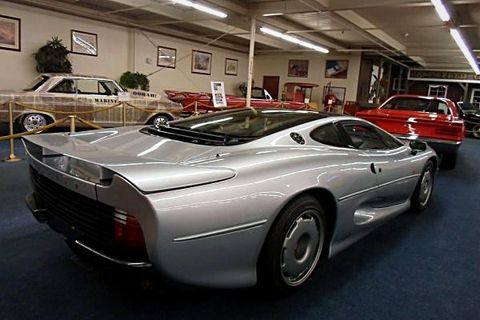
The Jaguar XJ220 is the outlier: a twin-turbo V6 supercar that was the fastest production car in the world at launch. It arrived just as the market crashed, so many were built and few were cherished. Values have recovered, but service is specialist-only and the car is enormous, so this is a collector's proposition rather than a weekend driver.
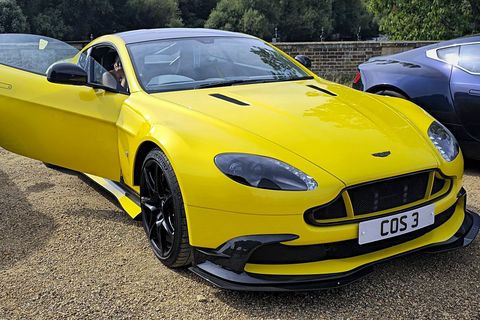
The Aston Martin Vantage brought the marque back to a compact two-seater aimed squarely at the Porsche 911. The naturally aspirated V8 sounds glorious and the shape has aged beautifully. Running costs are firmly in exotic territory, clutches and the early Sportshift automated manual can be trouble, so a full service history matters more than mileage.
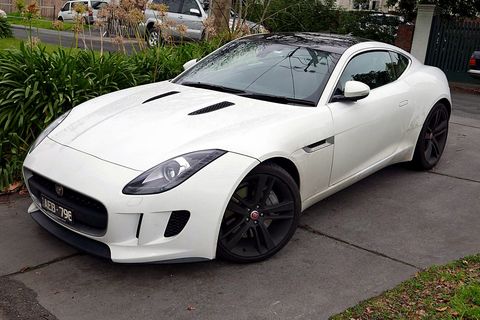
The Jaguar F-Type closes the loop, a purpose-built two-seat sports car and the spiritual heir to the E-Type. Supercharged V6 and V8 versions deliver a soundtrack that borders on antisocial, in the best way. It is modern enough to daily drive, though the V8 goes through tires and brakes quickly, so factor consumables into ownership.
Every car here rewards an owner who knows its quirks going in. That is exactly why we make a model-specific owner's reference manual for each one in our catalog, written to help you buy smart and maintain with confidence. Browse the full collection at the Garage.