The 1970s get a bad reputation, and some of it is deserved. Emissions rules, fuel crises, and rising insurance killed the horsepower party almost overnight, and a lot of what Detroit built to cope has been filed under "malaise" ever since. But that is only half the story. The same decade that strangled the big V8 also gave us the sport sedan, the modern pickup, and a wave of imports and homebuilts that quietly set the template for everything after. This is a list for the owner who sees past the era's caricature: someone who wants a car with real character, knows it will ask for patience, and would rather have a story in the garage than a spreadsheet.
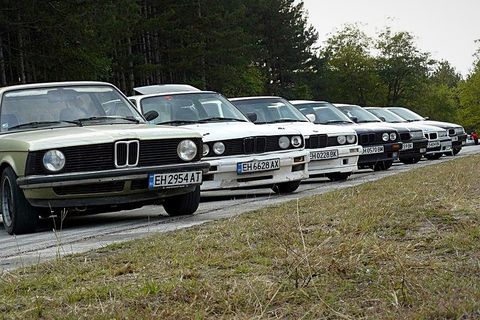
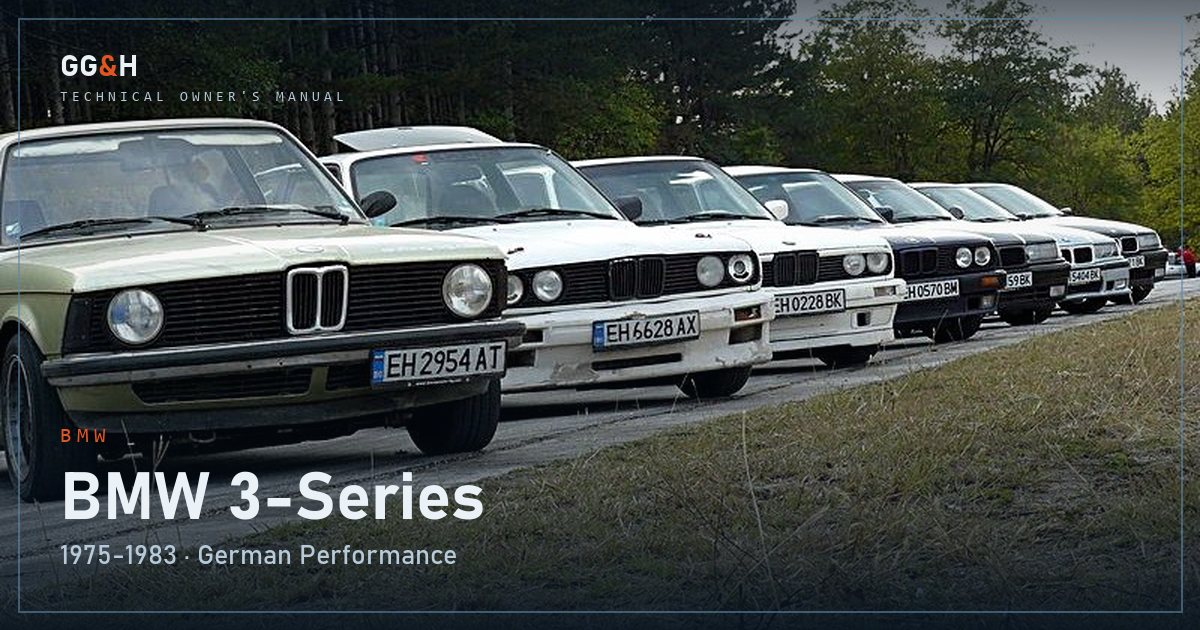
The BMW 3-Series is where the modern sports sedan begins. The first car to wear the name, with its shark-nose face and tidy two-door body, took the recipe of the 2002 and made it a franchise. It is light, it is honest, and it rewards a driver who works the gearbox. Owners should know the E21's weak spot is rust, particularly in the rockers and shock towers, and that the earliest carbureted fours feel modest by today's standards. Find a solid shell and it is one of the most usable classics you can buy.
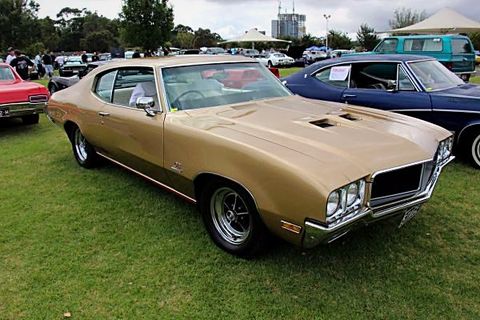
The Buick GS 455 is proof the muscle era did not go quietly. The Stage 1 version made class-leading torque, and it did it in a comfortable, almost dignified package rather than a stripped-out brawler. This is a car you can drive far. The honest weak points are the ones that come with any early-70s big-block: thirsty, heavy over the nose, and increasingly expensive to buy in genuine Stage 1 form, so verify the numbers before you pay for the badge.
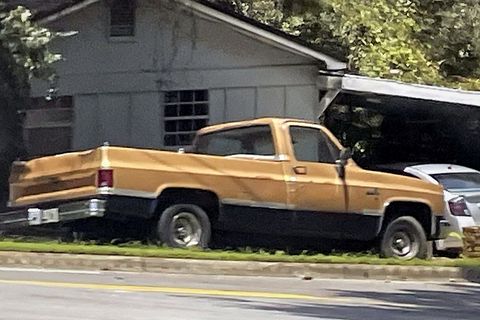
The Chevrolet C/K, the "Square Body" pickup, may be the most quietly influential vehicle here. It ran for well over a decade, and today it is one of the hottest restomod platforms on the market. Parts are everywhere and the cab is roomy and simple to work on. The catch is that popularity has driven up clean-truck prices, and the bodies rust with enthusiasm at the cab corners, bed, and rockers, so a rough one can cost more to fix than a good one costs to buy.
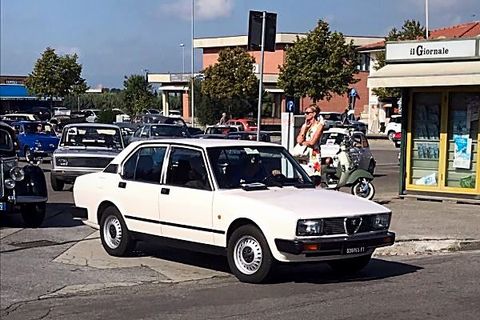
The Alfa Romeo Alfetta carries a name borrowed from Alfa's grand prix champion, and its party trick is the rear transaxle that gives it near-perfect balance. It steers beautifully. It also demands an owner who understands the layout: the clutch and gearbox live at the back, the linkage is long and can feel vague, and like most Alfas of the period it will rust if you let it. Reward the maintenance and it handles like little else at the price.
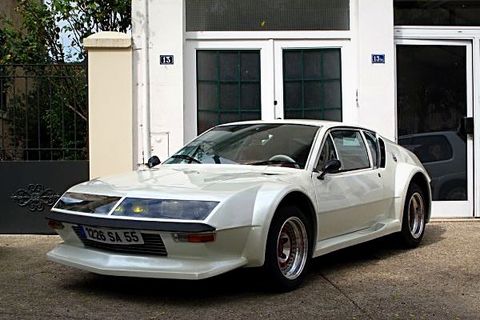
The Alpine A310 is the angular, six-headlight French exotic that succeeded the giant-killing A110. With the PRV V6 hung out behind the rear axle, it is a fiberglass featherweight that rewards a delicate hand and punishes a clumsy one. Buy it for the styling and the rarity, but go in knowing that the V6 versions are the ones to have, that parts hunting is part of the hobby, and that the tail-happy balance is a feature, not a bug.
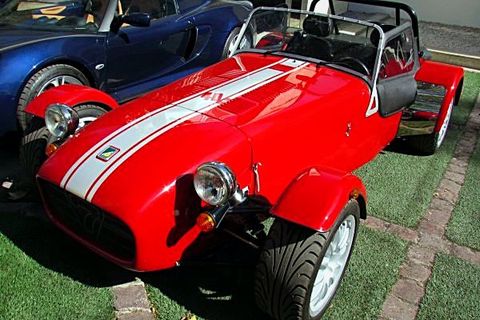
The Caterham Seven is the purest driving experience money can buy. As the continuation of the Lotus Seven, it is essentially an engine, four wheels, and a seat for you, and that is the whole point. There is no weak point so much as a set of honest terms: no weather protection worth the name, a cabin that fits you like a shoe, and a ride that tells you everything about the road. For a track toy or a back-road weapon, nothing touches it per dollar.
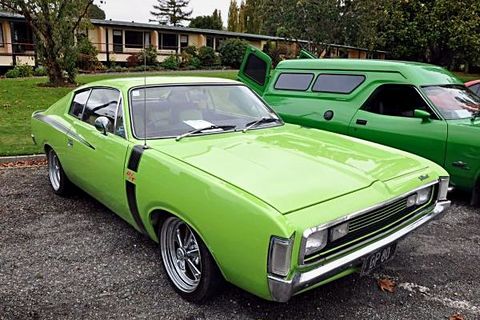
The Chrysler Valiant Charger is Australia's contribution, a handsome fastback coupe best known for its Hemi straight-six and its cheeky "Hey Charger" ads. It is a genuine muscle car with a personality all its own. For buyers outside Australia the challenge is simply finding one, and right-hand drive plus scarce trim will test your patience, but the six is stout and the shape has aged very well.
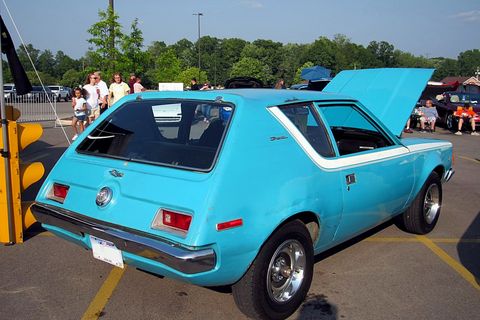
The AMC Gremlin was America's first homegrown answer to the imports, and its chopped-tail styling is either endearing or absurd depending on your mood. That is exactly its charm. It is cheap, simple, and increasingly collectible as a period piece. Just temper expectations: the handling is modest, the interiors were built to a budget, and rust is the usual enemy.
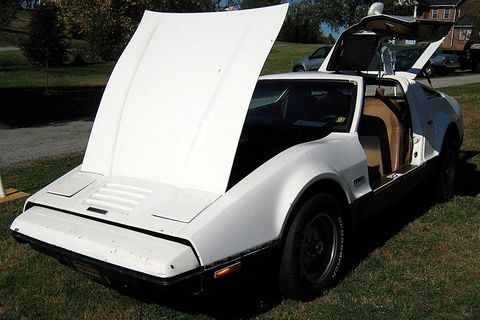
The Bricklin SV-1 is a fascinating failure, a Canadian-built "safety" sports car with gullwing doors and, famously, no cigarette lighter by design. Only built for two years, it is a true orphan. Those power gullwing doors are notoriously balky, parts are a scavenger hunt, and the acrylic-clad body has its quirks, so buy one with your eyes open and your expectations set to "conversation piece."
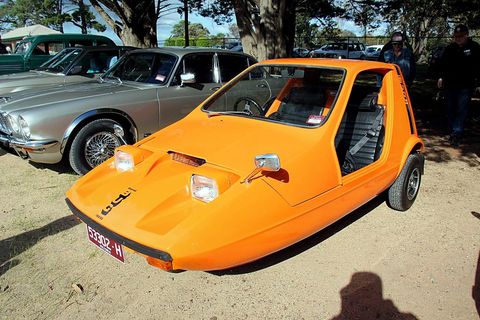
The Bond Bug closes the list on a grin: a wedge-shaped three-wheeler with a lift-up canopy, built in bright orange to catch young British buyers. It is tiny, quick to smile at, and utterly of its moment. It is also a three-wheeler with modest power and few creature comforts, which is rather the point.
That is the paradox of the decade: the same years that dimmed the muscle era lit up everything from the sport sedan to the featherweight track car. Whichever of these you park in your garage, Garage, Galley & Hangar makes a model-specific owner's reference manual for it, written for the person actually turning the wrenches. Browse the full catalog at the Garage.