The Best Cruiser Motorcycles
A cruiser is not built to chase lap times. It is built for the way a road actually feels at seven-tenths: feet forward or mid-set, back straight, a big torquey engine loafing along under you and pulling hard from just off idle. You ride a cruiser in top gear most of the time, short-shifting because you can, listening to the exhaust instead of the tachometer. The reward is a machine that is relaxing on a long day and effortless around town, with enough low-end grunt to make roll-on passes feel dramatic without ever revving hard.
That relaxed character is exactly why cruisers suit so many riders. Newer riders like the low seat height and the forgiving power delivery. Returning riders like the upright comfort and the parts-and-accessory depth. Owners who log real miles like that a good cruiser asks very little of them mechanically. The trade-offs are honest and consistent across the class: modest cornering clearance, extra weight to manage at parking-lot speeds, and suspension travel that punishes bad pavement. Here are the ones worth owning, and what to check before you buy.
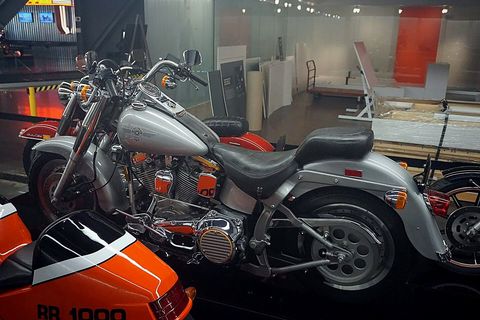
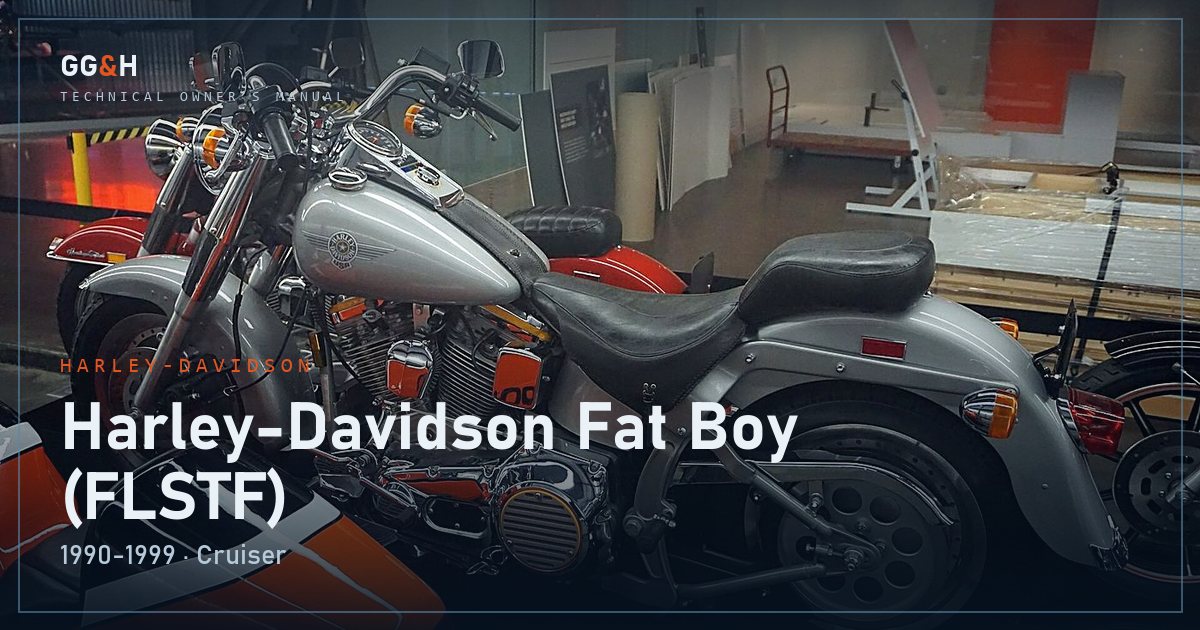
Start with the icon. The Harley-Davidson Fat Boy (FLSTF) defined the whole look in 1990 with solid disc wheels, monochrome silver paint, and a Terminator 2 cameo that made it a household shape. It rides like it looks: heavy, planted, and unhurried. The Evolution and later Twin Cam engines are durable, but budget for fork and shock refreshes on high-mile bikes, and know that all that wheel and fender mass makes low-speed maneuvers deliberate.
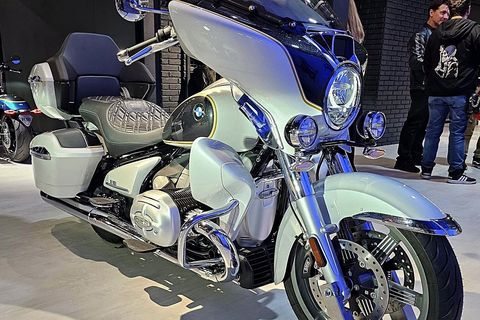
If you want the cruiser stance with something modern under it, the BMW R18 is BMW's first true cruiser, built around an enormous 1802cc pushrod Big Boxer with exposed shaft drive. The torque is genuinely huge and the finish is superb. It is also very heavy, the cylinders limit lean angle early, and it is a premium buy to service, so factor the badge into your running costs.
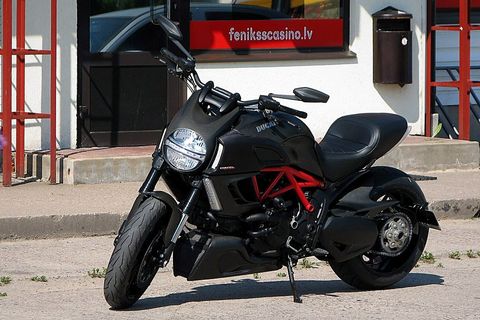
For riders who reject the idea that a cruiser has to be lazy, the Ducati Diavel married a 240-section rear tire to the Testastretta superbike twin and refuses to ride like anything else in the class. It is fast, sharp, and surprisingly agile. Just go in clear-eyed: desmodromic valve service, a firm seat, and heat off that big twin are the price of the performance.
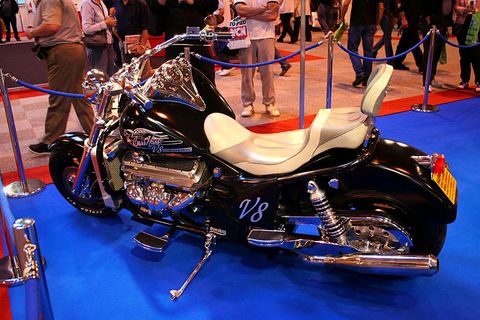
At the far end of excess sits the Boss Hoss BHC-3 (V8), a street-legal motorcycle powered by a Chevrolet V8 with an automatic transmission and a sound like nothing else on two wheels. It is a spectacle and a conversation piece more than a daily rider. Expect enormous mass, real physical effort at a standstill, and maintenance closer to a car than a bike.
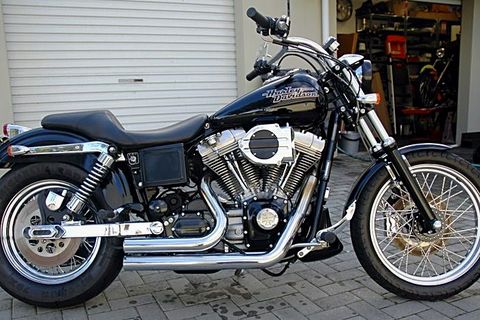
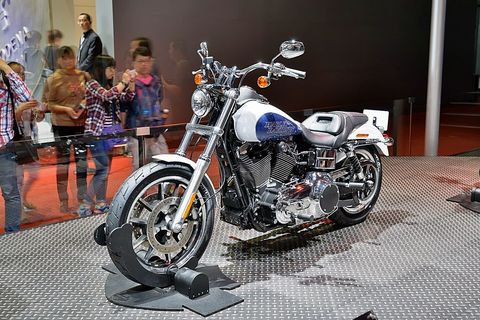
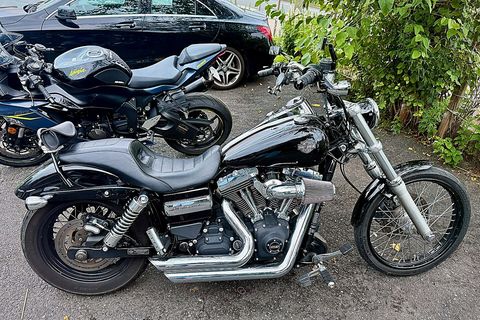
Harley's Dyna line is the sweet spot for many buyers, and it is deep. The Dyna Super Glide (FXD) launched the chassis on the FXDB Sturgis and brought proper rubber-mounted, twin-shock handling to the big twin, which is why so many owners still prefer the ride quality of an early Dyna. The Dyna Low Rider (FXDL) is the everyman version: a low seat, a mid-set feel, and dual gauges, doing a little of everything well and holding value because of it. The Dyna Street Bob (FXDB) adds mini-apes, a solo seat, and blacked-out simplicity, which made it the customizer's favorite blank canvas, so shop carefully and confirm any aftermarket electrical and exhaust work was done properly. The Dyna Wide Glide (FXDWG) is the factory's closest thing to a chopper, with raked forks, a 21-inch front wheel, and flame paint, styling that trades some straight-line stability and low-speed ease for attitude.
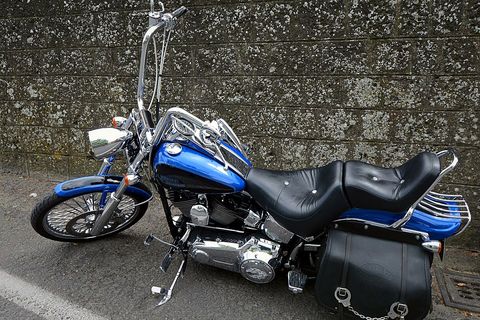
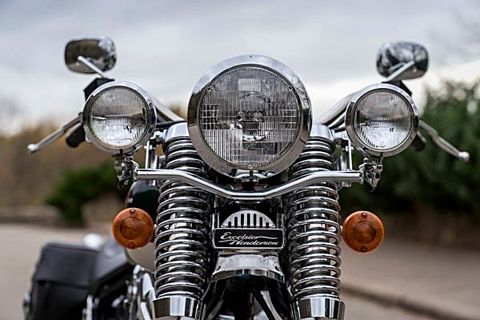
Two more round out a smart short list. The Harley-Davidson Breakout (FXSB) is raked out, dragster-low, and rolling on a fat 240 rear: the Softail built for stoplight showboating, with the usual caveat that a wide rear tire dulls steering response. And for something genuinely rare, the Excelsior-Henderson Super X came from a revived American marque that built barely 2,700 leading-link cruisers before bankruptcy, which makes survivors scarce and parts a real consideration before you commit.
Whatever you choose, buy the bike that matches the miles you actually ride, then get to know it. Garage, Galley & Hangar publishes a model-specific owner's reference manual for each of these machines, with the service intervals, known weak points, and buying checks laid out for that exact model and year range. Browse the full lineup at our motorcycle catalog and start your next cruiser knowing what you are getting into.