German engineering has a reputation built on a single idea: that a car should feel like it was designed by someone who then had to drive it. Steering that tells you what the front tires are doing, brakes with a firm and honest pedal, an engine that pulls cleanly to a redline it was actually built to reach. The best German sports cars for drivers are not the fastest or the flashiest. They are the ones that make an ordinary road feel like a reason to leave early. This list is for the owner who cares less about the concours lawn and more about the next 200 miles, and it is honest about what each of these cars asks in return.
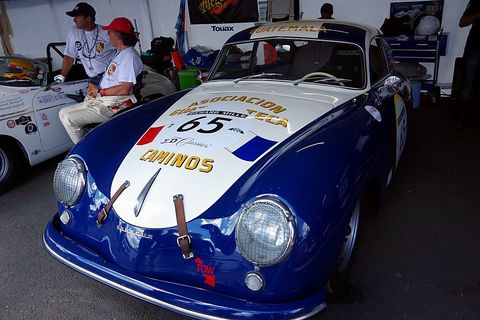
The Porsche 356 Pre-A is where the whole idea starts. These earliest cars, including the split and bent-window coupes, are slow by any modern measure, but they are light, tossable, and utterly charming on a back road. Buy one for the experience, not the pace, and understand that originality now commands serious money. Rust in the floors and battery box is the real enemy, and correct early parts are expensive and hard to find.
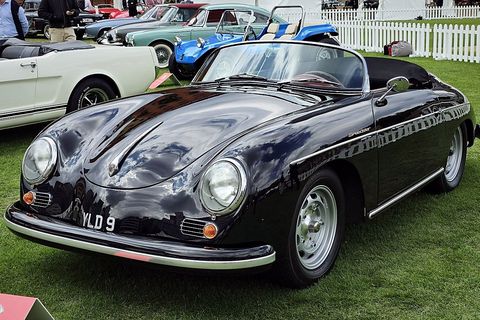
The later Porsche 356 is the version most people should actually own. It kept the delicate, low-effort feel but gained refinement, better brakes, and, at the top, the exotic four-cam Carrera engine. A pushrod 356 is a usable classic you can drive all day. The four-cam is a different animal: glorious, but a specialist rebuild costs more than many complete 356s. For most drivers, a good Super 90 is the sweet spot.
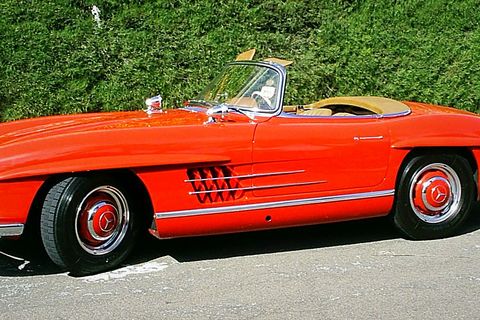
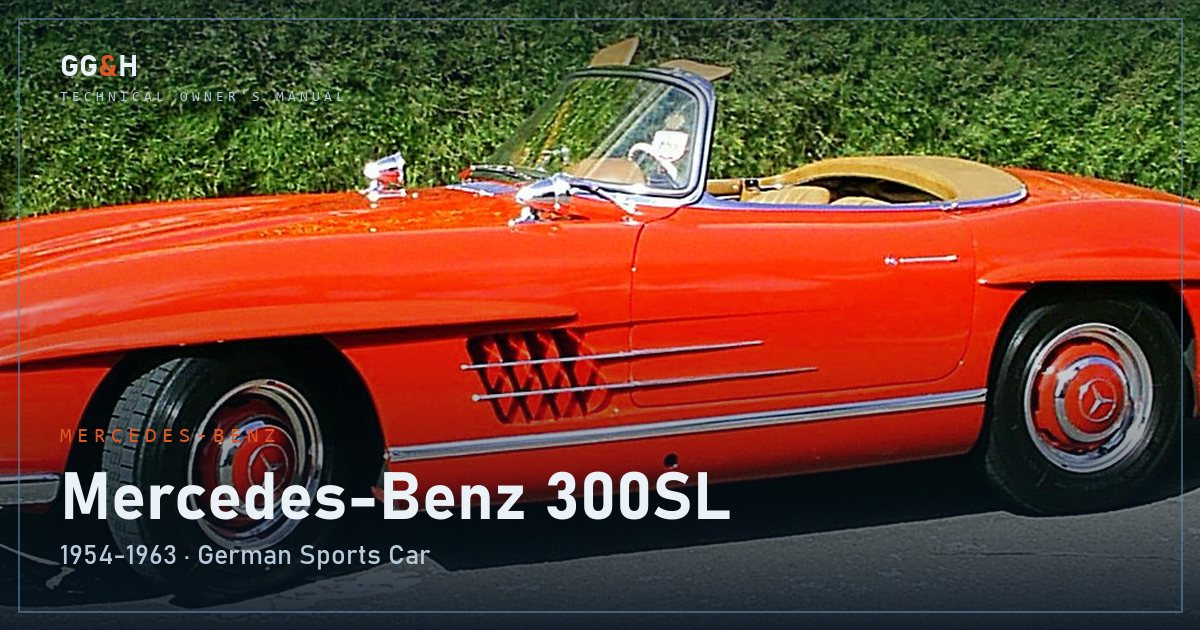
The Mercedes-Benz 300SL is the icon of the group, and it earns it. The Gullwing coupe and its later roadster carried the first production fuel injection, and they were genuinely fast for the 1950s. Ownership is another matter entirely. Values run into the seven figures, the early swing-axle rear can bite hard at the limit, and the mechanical injection system rewards a specialist who truly knows it. This is a car to be respected, then enjoyed.
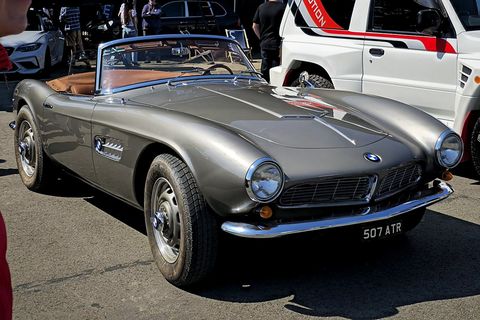
The BMW 507 is the beautiful cautionary tale. Its aluminum V8 roadster body was so costly to build that it nearly bankrupted BMW, and only a few hundred were made. As a driver it is more grand tourer than sports car, softer and heavier than a 356, but the sound and the shape are worth the compromise. Just know that parts are effectively bespoke, and any restoration is a long, expensive commitment.
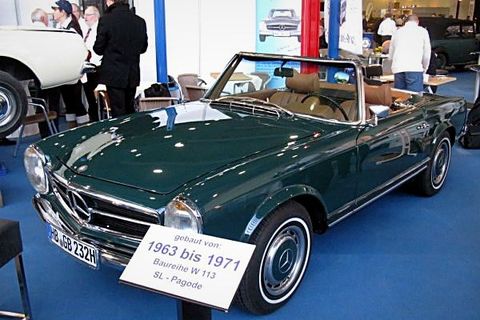
The Mercedes-Benz SL Pagoda is the sane, usable classic Mercedes. Named for the concave hardtop, it is comfortable, well built, and easy to live with, especially the smoother 280SL with the automatic. It is not a hard-charging sports car, and it never pretended to be. Watch for rust and tired interiors, budget for the fuel injection service, and you get one of the most relaxing open cars ever made.
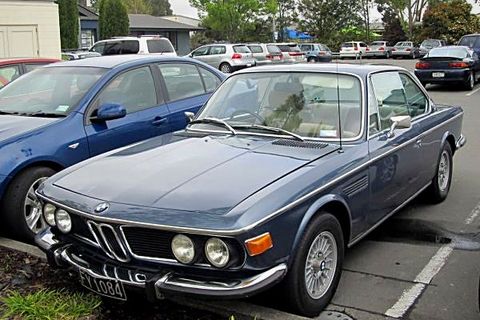
The BMW 3.0 CS is the driver's BMW of its era. The Karmann-bodied coupe is elegant and quick, and its CSL racing sibling earned the Batmobile nickname on the track. The catch is well known: these cars rust, badly, in the shock towers, sills, and screen surrounds. A rust-free, sorted example is a joy. A cheap one is a money pit with a beautiful roofline.
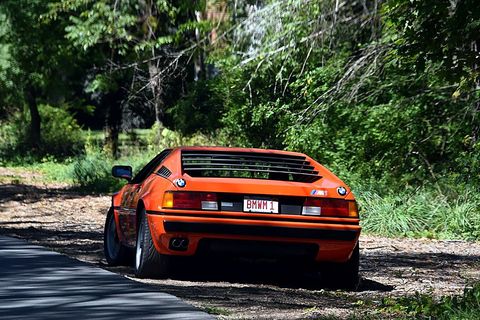
The BMW M1 is the wild card, BMW's only production mid-engine supercar, styled by Giugiaro. The straight-six behind the seats is tractable and superb, and the M1 is far more usable than its exotic looks suggest. It is also rare and valuable, and its Italian-built composite body and unique running gear mean that anything you cannot fix yourself will cost real money and real patience.
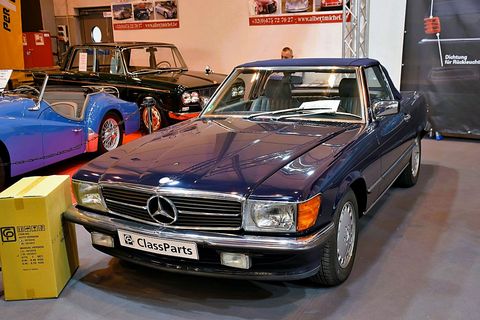
The Mercedes-Benz SL of the R107 generation is the value pick of this whole list. Produced across an eighteen-year run, the V8 roadster is overbuilt, robust, and cheap to buy relative to everything else here. It is a boulevard cruiser, not a corner-carver, and the timing chains on early V8s need attention, but a well-kept later 560SL is one of the most durable classics you can own.
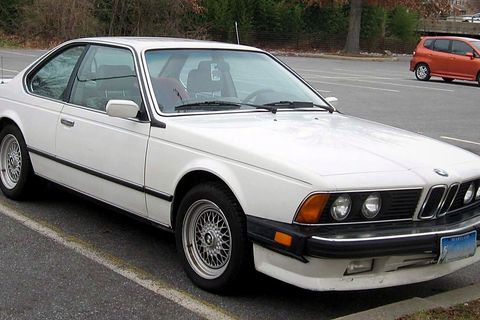
The BMW 6-Series is the elegant shark-nose grand tourer, the coupe to cover distance in. The later 635CSi is the one to have. As with its coupe ancestors, rust is the deciding factor, and the trim and electrics are getting hard to source, so buy the best body you can find and worry about mechanicals second.
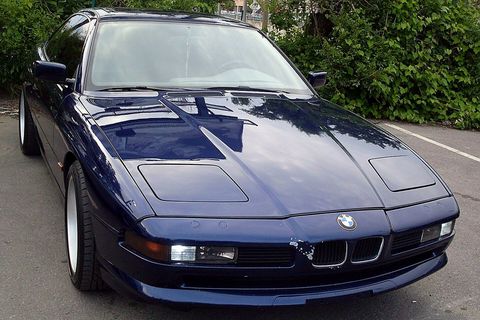
The BMW 8-Series closes the era, a pillarless V8 and V12 flagship with pop-up headlights and genuine 1990s ambition. The V12 850i is spectacular and complex in equal measure, with a dense electrical system that can humble an amateur. Many buyers are happier with the lighter, cheaper-to-run V8 840Ci.
Every car here rewards an owner who understands it, and understanding starts with good information. Garage, Galley & Hangar makes a model-specific owner's reference manual for each of these cars, written for the person doing the driving and the deciding. Browse the full catalog at /garage/.