Building your own airplane is one of the few things in aviation that is exactly as demanding as it sounds. Under the FAA's amateur-built rules, you can construct an experimental aircraft in your garage, sign it off, and fly it, provided you (and your workmanship) meet the standard. The reward is an airplane you understand bolt by bolt, often for less money than a comparable certified plane, and the freedom to maintain it yourself. The reality is a project measured in hundreds or thousands of hours, a real budget, and a learning curve on riveting, wiring, composites, and engine installation. This is a hobby for the patient and the honest. Here are nine kits worth that commitment, from a first-timer's sport plane to a cross-country machine that rivals certified aircraft, plus one famous cautionary tale.
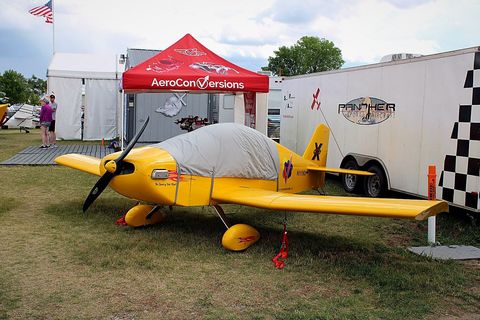
The Sonex is where a lot of builders start, and for good reason. It is a riveted-aluminum, side-by-side sport plane designed around the VW-derived AeroVee engine, and the whole package is deliberately affordable. Metalwork is forgiving to learn, the parts count is manageable, and the type has a large, active community. Budget realistically for the engine and avionics, which is where costs creep on any build, and treat it as a genuine multi-year project rather than a weekend affair.
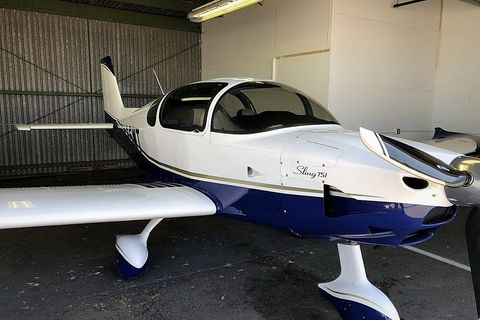
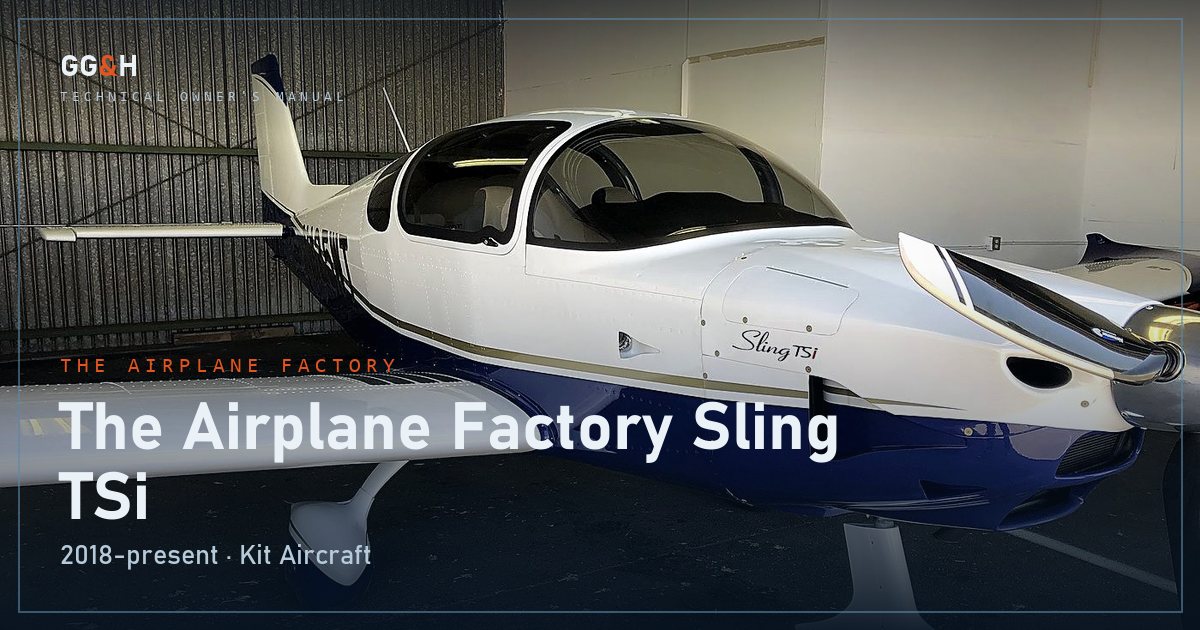
The Sling TSi is the modern four-seater that has won a lot of hearts. Built in South Africa around the fuel-injected Rotax 915iS, it uses matched-hole, all-metal construction that keeps drilling and alignment mistakes to a minimum, and its build-support network is one of the best in the business. It is more airplane and more money than a Sonex, but as a family cross-country machine you assembled yourself, it is hard to beat.
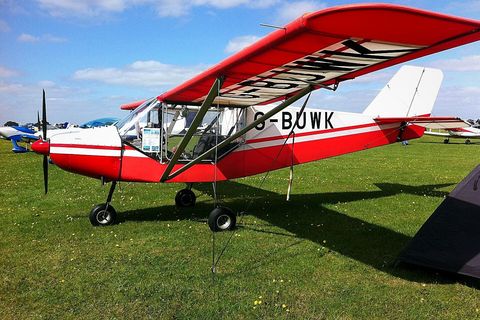
The RANS S-6 Coyote II is one of the best-selling recreational kits in the country, a high-wing taildragger offered in tandem or side-by-side seating. It is light, easygoing, and happy off short grass strips. The fabric-covered structure means you will learn covering and finishing work, which is satisfying but time-consuming, and tailwheel handling is a skill worth getting current on before first flight.
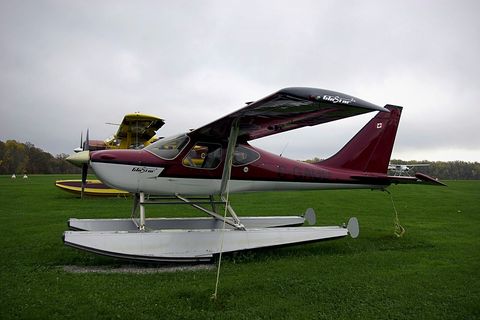
The Glasair Sportsman GS-2 is a two-plus-two high-wing composite with swing-out wings for towing and storage. It is best known for the Two Weeks to Taxi program, where you finish the airframe at the factory with expert help. That shortcut is real, but it is not free, and you still own the responsibility of the build. It is a capable, comfortable backcountry hauler that takes floats and tundra tires.
Its stablemate, the GlaStar, pairs a welded steel-cage cabin with composite and metal skins, a combination that gives strong occupant protection and folding wings. Two seats, float and tundra-tire options, and rugged construction make it a favorite for owners who fly where the pavement ends. Expect a mix of skills: welding is done for you, but you will handle metal and composite work both.
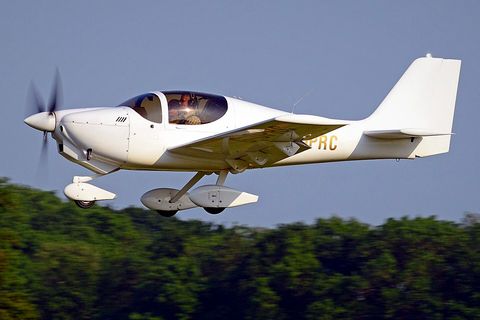
The Europa XS is a British composite two-seater with a clever party trick: trailerable folding wings, so you can keep it at home and rig it at the field. It comes as a monowheel or conventional tri-gear. The monowheel is efficient and distinctive but asks more of the pilot on the ground, so choose the configuration honestly against your own experience. Composite work rewards patience and a warm, dust-free shop.
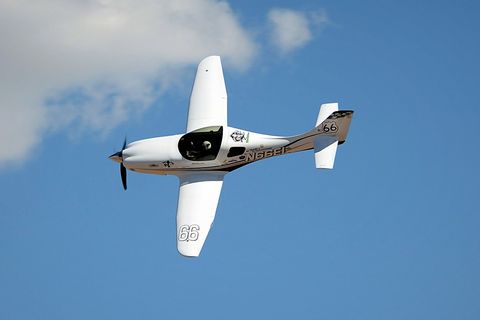
The Lancair Legacy is where speed enters the conversation. A fixed-gear two-seat evolution of the Lancair 360, it is among the fastest piston kitplanes in its class. Fast airframes are less forgiving of build errors and demand real proficiency to fly safely, so this is a plane for an experienced builder-pilot, not a first project.
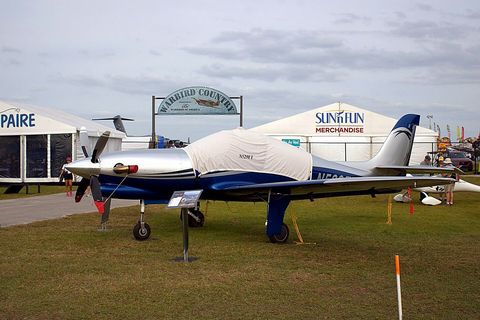
The Lancair Evolution sits at the top of the homebuilt world: a pressurized four-seat kit offered with a turboprop or piston engine, capable of flight-levels travel. It is one of the most accomplished kits you can build, and priced accordingly. Systems complexity, cost, and the transition training for a high-performance, pressurized airplane all belong in the plan from day one.
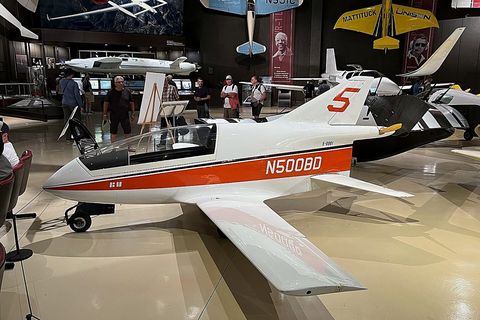
Finally, a reality check. The Bede BD-5 is the diminutive single-seat pusher whose jet version flew in a James Bond film. It is also famous for a troubled development history, engine struggles, and a build that defeated many buyers. Include it here as a reminder that "kit" does not mean "easy," and that the best project is the one you will actually finish and fly safely.
Garage, Galley & Hangar publishes a model-specific owner's reference for each of these aircraft, covering systems, inspection points, and ownership realities. Browse the full aircraft catalog at /hangar/ to find the one that fits your shop, your budget, and your license.