The 1990s is where the modern motorcycle snapped into focus. Fuel injection arrived, aluminum beam frames became the norm, and World Superbike turned the showroom sportbike into a genuine race weapon you could ride to work on Monday. It was also the decade the categories we take for granted got their footing: the big adventure bike, the factory streetfighter, the learner-legal race replica. If you came up riding in this era, or you are shopping for the bike you lusted after back then, this is your list. These are ten machines from our catalog that defined the decade, each with a note on what they are really like to live with.
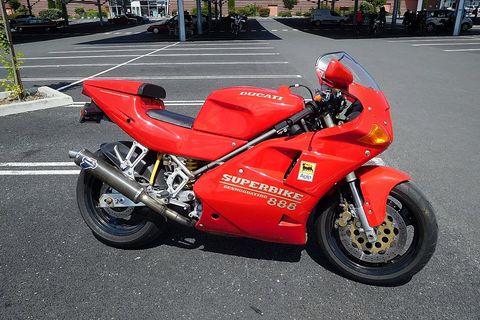
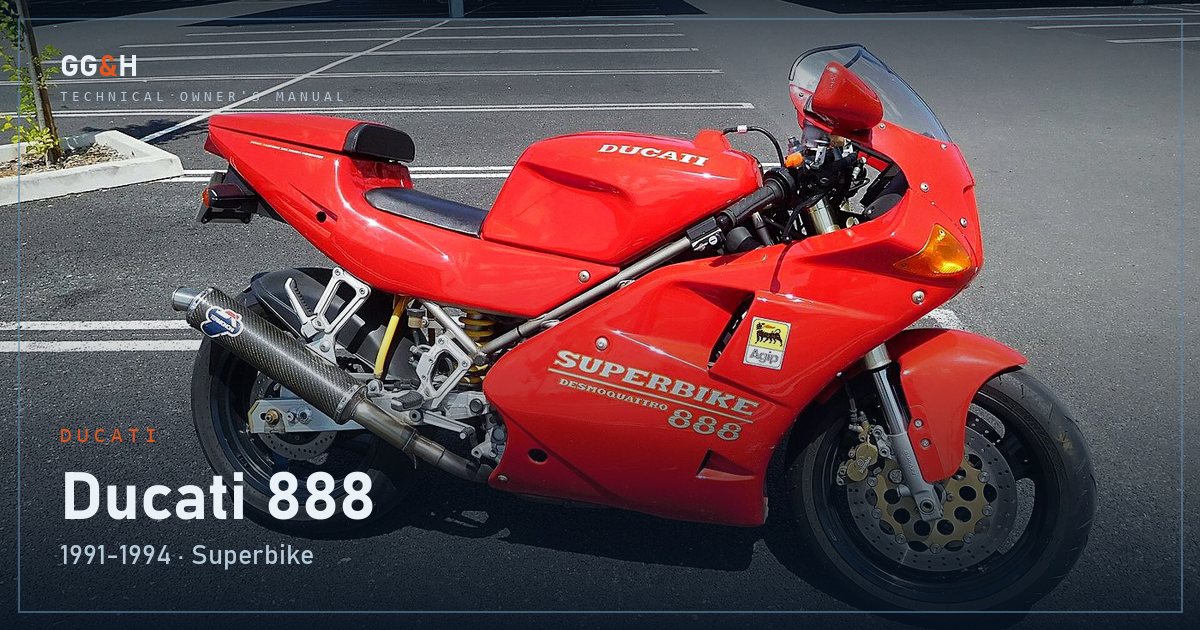
Start with the Ducati 888. This is the bike that grew the 851's engine and took the opening World Superbike title, setting up the twin-versus-four rivalry that ran the decade. It is fast, gorgeous, and the direct ancestor of the 916. Owners should know it is a proper Italian thoroughbred: desmo valve service is expensive and non-negotiable, the electrics need attention, and the riding position is committed. Keep on top of the maintenance and it rewards you like almost nothing else.
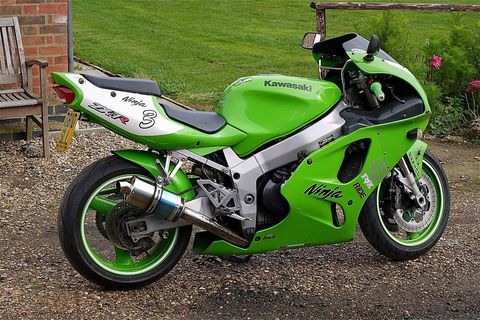
The Kawasaki Ninja ZX-7R is the four-cylinder answer to that Ducati. Ram-air fed and homologation-bred for World Superbike, it is a heavy, muscular 750 that feels utterly planted at speed. The weak point is exactly that weight: it is no featherweight in the twisties and it grew old against lighter 600s and 1000s by the end of its run. As a stable, bulletproof modern classic, though, it is hard to beat and parts remain easy to find.
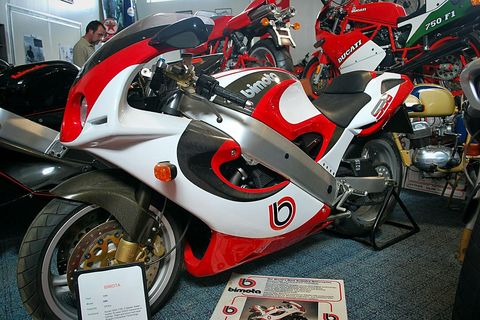
For the true exotic, the Bimota SB6 hangs a Suzuki GSX-R1100 engine in a hand-built aluminum beam frame and became Bimota's best seller. You get bulletproof Japanese power with jewelry-grade Italian chassis work. Just understand what you are buying: bodywork and chassis parts are scarce and pricey, and any Bimota demands an owner who enjoys fettling.
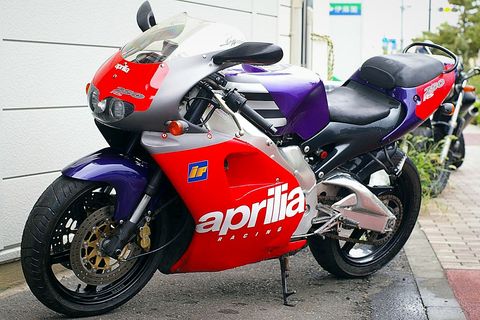
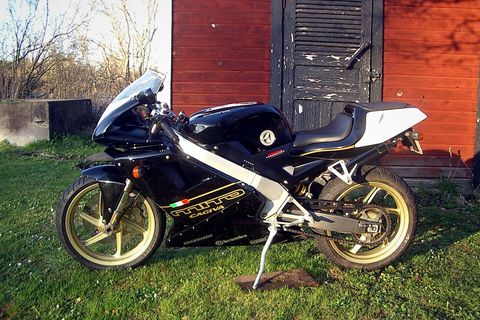
The two-stroke era got its last great hurrah here. The Aprilia RS250 wrapped a Suzuki RGV V-twin two-stroke in an Aprilia chassis and is now a coveted last-of-breed race replica. It is intoxicating and light, but it demands premix discipline, careful warm-ups, and a tolerance for a narrow powerband. The Cagiva Mito is the pint-sized sibling: a 125cc stroker styled like a shrunken Ducati 916 that taught a generation of Europeans to ride like racers. Both need frequent top-end rebuilds, so budget for pistons and treat the maintenance schedule as gospel.
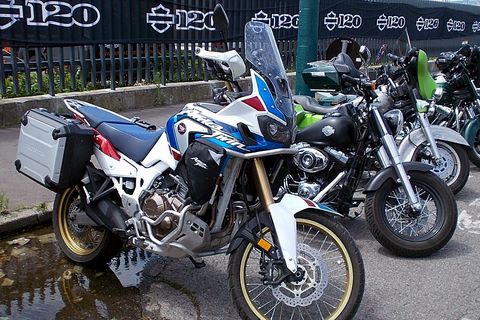
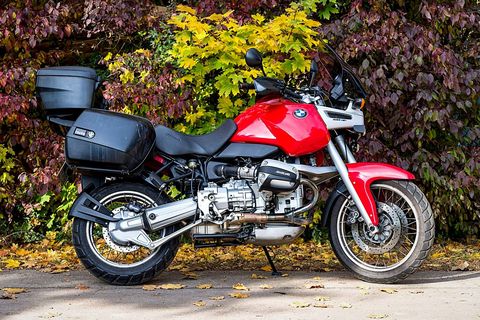
The adventure category comes of age with two very different machines. The Honda Africa Twin is the 742cc RD04 and later RD07, a long-running European staple that never officially sold in the US. It is comfortable, reliable, and genuinely capable off pavement, though it is tall and heavy for shorter riders and US buyers face the grey-import parts hunt. The BMW R1100GS is the more influential of the two: the first GS with the oilhead engine and Telelever front end, and the template for every big adventure bike since. It shrugs off miles. Watch for final-drive wear and the occasional weeping seal, and know that its weight punishes you the moment the going gets truly technical.
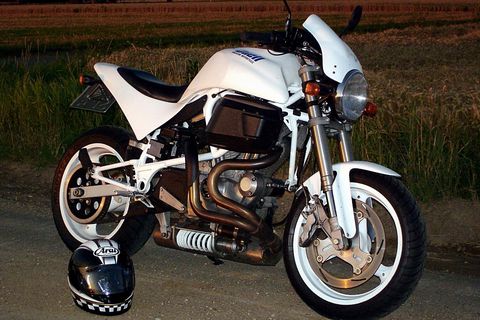
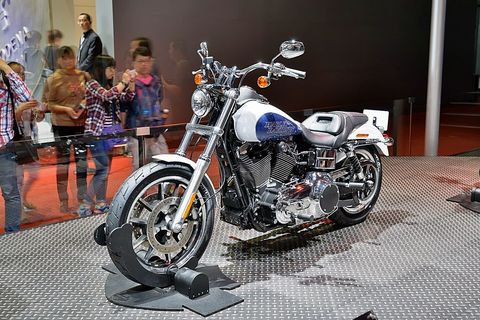
America's contribution to the decade is a pair of V-twins with attitude. The Buell S1 Lightning is a stripped, snarling streetfighter built around a hot-rodded Sportster engine in a rubber-mounted tube frame. It is raw, loud, and enormous fun in the corners, but it vibrates, it is rough around the edges, and belt and isolation-mount upkeep is part of the deal. The Harley-Davidson Dyna Low Rider (FXDL) is the everyman opposite: low seat, mid-set feel, twin gauges, and a Twin Cam that does a little of everything well. It is a fine platform to build on, though stock suspension and brakes are the first things most owners upgrade.
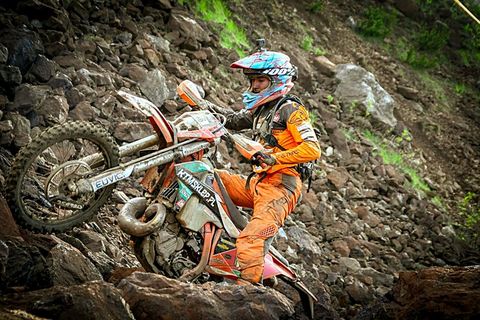
Finish in the dirt with the KTM 300 EXC, a street-legal 293cc two-stroke enduro weapon that remains a staple of hard enduro to this day. It is light, torquey, and astonishingly capable in the rough. The trade-offs are pure dirt bike: frequent top-ends, a demanding jetting setup on the carbureted years, and a seat you will never call comfortable on the road.
Whatever you ride from this golden decade, the details matter, and that is exactly where we come in. GG&H makes a model-specific owner's reference manual for each of these bikes, written around the real service points, known weak spots, and setup notes that keep a thirty-year-old sportbike or enduro honest. Browse the full lineup at our motorcycle library and find the one in your garage.