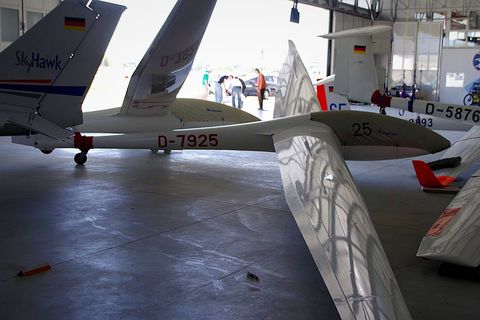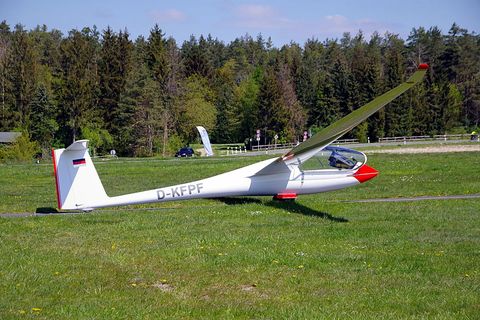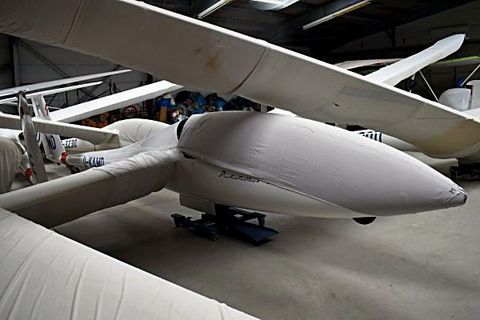
Engineless flight is the purest kind. A sailplane climbs by reading the air: thermals off a sunbaked field, lift stacked against a ridge, the smooth wave downwind of a mountain range. A good glider turns those invisible cues into hours aloft and, on the right day, hundreds of miles of cross-country. That reward comes with real discipline. Soaring is a trained, regulated activity, most owners fly through a club with tow planes and instructors, and every launch depends on judgment about weather, terrain, and landable fields ahead. Nothing here is a shortcut around instruction.
When you shop, weigh glide ratio and handling against the practical side: rigging effort, trailer length, water-ballast plumbing, and, on motorized ships, the added maintenance of a retractable engine. Class matters too. Standard Class ships (15 meters, no flaps) are the sweet spot for most owners, while open-class machines chase maximum performance at the cost of size and handling. Here are ten worth knowing.
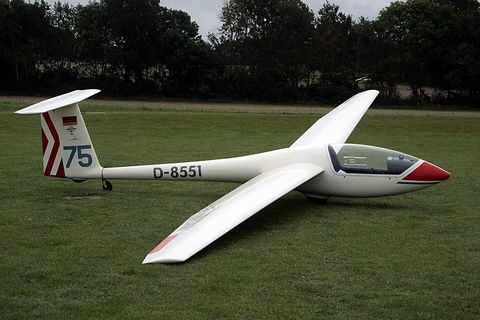
The Grob G102 Astir is where many owners start. A robust Standard Class glass ship built in large numbers, it is common on the used market and inexpensive to buy. Handling is honest rather than sharp, which is exactly what a new single-seat pilot wants. Check the wing pins and gel coat, then fly it for a season before you decide you need anything faster.
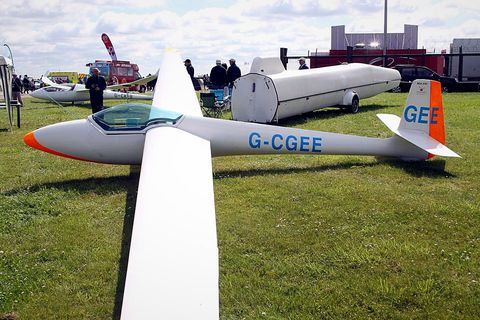
The Glasflugel Standard Libelle is a very light early glass single-seater that one person can rig without help, a genuine convenience if you keep the ship in a trailer. It thermals gently and rewards a light touch. The tradeoff is age: these are 1970s airframes, so a careful inspection of the fuselage boom and control fittings is essential before purchase.
The Rolladen-Schneider LS4 is a Standard Class classic with famously honest handling. It remains a top pick for club fleets and first-time owners because it does nothing abrupt yet still glides well enough for real cross-country. Values stay firm, so a clean example is a safe buy that you will not quickly outgrow.
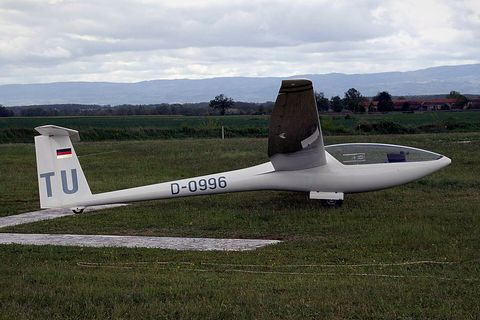
The DG Flugzeugbau DG-300 is another tidy Standard Class single-seater, and a practical one: the factory still supports spares and repairs, which matters more than most first-time buyers expect. If you plan to keep a glider for years, ongoing parts availability is worth paying for.
The Schempp-Hirth Discus is one of the most successful Standard Class racers ever made. The large production run means good used availability and an active owner network, so questions get answered and parts get found. It climbs and glides at a level that will carry you well into competition flying, and it is the ship many pilots point to as the archetype of the class.
The Rolladen-Schneider LS8 is a flapless 15 and 18-meter racer that wins club-class contests and holds strong resale value. The interchangeable wingtips let you fly a tight 15-meter configuration or a longer, higher-performance 18. For an owner ready to race seriously without the complexity of flaps, it is hard to beat.
The Schempp-Hirth Ventus adds flaps in a 15 and 16.6-meter package with a strong contest history and plentiful factory spares. Flaps sharpen both climb and glide but ask more of the pilot on every launch and landing. This is a ship to grow into, not a first glider.
The Pilatus B4-PC11 is the outlier here: an all-metal aerobatic single-seater. Owners choose it for stunt capability and for structure that is dent-repairable rather than requiring composite work. Performance trails the glass racers, but if you want loops and rolls alongside soaring, the aluminum airframe is a feature, not a compromise.
The Schempp-Hirth Duo Discus is a 20-meter two-seater that clubs lean on for cross-country training, because it climbs and glides well while carrying two people. That makes it the ship to learn distance flying in with an instructor beside you, and a sound choice for shared ownership. Budget for the heavier rigging that a big two-seater demands.
The Schempp-Hirth Arcus is the high-performance two-seat benchmark, a 20-meter flapped ship offered in pure, turbo, and self-launch versions. It flies close to modern single-seat racers with two aboard. The self-launch and turbo options buy independence from a tow plane but add a retractable powerplant to inspect, maintain, and respect.
Whichever you choose, learn its systems cold before you commit to a long flight. Garage, Galley & Hangar publishes a model-specific owner's reference for each of these sailplanes, covering rigging, inspection points, and the honest quirks that come with the airframe. Browse the full catalog at /hangar/, match a book to your ship, and read it before the season starts.