Ask a room full of pilots "Cessna or Cirrus?" and you will start an argument that runs on more than spreadsheets. On one side sits the Cessna 182 Skylane, a high-wing aluminum single that has been in near-continuous production since 1956. On the other sits the Cirrus SR20, a low-wing composite four-seater that arrived in 1999 with a glass panel and, most famously, a whole-airframe parachute. This is the classic-certainty-versus-modern-comfort decision in its purest form, and the honest answer depends less on which airplane is "better" than on who you are and how you plan to fly.
A quick word of caution before the details: no light aircraft is easy or forgiving in an absolute sense. Both of these airplanes demand real recurrent training, a sober approach to weather and loading, and respect for their limits. Nothing below should be read as a shortcut around a good instructor and a careful checkout.
Cessna 182 Skylane: the aluminum workhorse
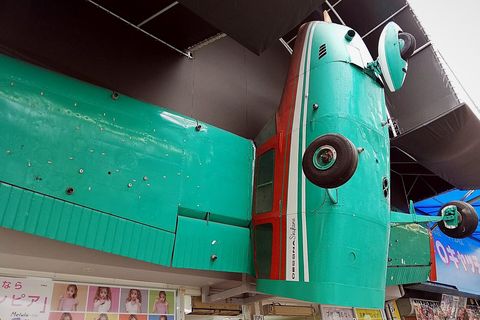
The 182 is what people picture when they picture a "serious" single-engine airplane. A 230-hp engine (typically a Lycoming O-540 or the earlier Continental O-470) gives it a load-hauling reputation the smaller 172 cannot match: it will genuinely carry four adults and useful fuel, and it shrugs off short, rough, or unimproved strips better than most. That makes it the default family and backcountry choice.
Systems are conventional and legible. It is a high-wing design with a constant-speed propeller and, on most airframes, gravity-fed fuel and manual flaps or simple electric flaps depending on the year. Panels vary enormously across seven decades: many fly with steam gauges, while later restart-era and glass-retrofit airplanes carry modern avionics. What an owner should know is that the type support is extraordinary. Parts, mechanics who know the airframe cold, and an active type club mean almost any problem has a well-worn answer. Watch for the usual legacy items: engine time and overhaul reserves, corrosion on older airframes, and the cost of bringing an old panel up to modern standards.
Cirrus SR20: the modern cruiser
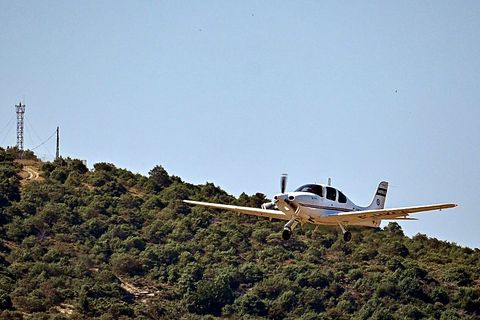
The SR20 is a different philosophy. It is composite, low-wing, and built around a glass cockpit and a side-yoke, with an emphasis on comfort, situational awareness, and the Cirrus Airframe Parachute System (CAPS). Pull the handle and a rocket deploys a parachute that brings the whole airplane down under canopy. That system has a real safety record behind it, but it is not a magic wand: it has an altitude and speed envelope, it is a last resort rather than a substitute for airmanship, and it carries a defining ownership obligation. The rocket and parachute must be repacked on a schedule (historically around every ten years), and that is a planned, non-trivial expense you must budget for.
The SR20 is the lower-powered sibling in the Cirrus line, so an owner should be honest about mission: it is a comfortable, capable cross-country cruiser for typical loads, but it is not the hot-rod hauler that the higher-powered SR22 or a fully loaded 182 can be, especially high, hot, and heavy. Fixed gear keeps things simpler than a retractable, but composite airframes, avionics-heavy panels, and Cirrus-specific maintenance mean you want a shop that knows the type. Cirrus also built a strong training and standardization culture, and insurers tend to expect it.
How to choose
Choose the 182 if you value proven simplicity, backcountry and short-field ability, deep parts and mechanic support, and a lower barrier to hands-on ownership. Choose the SR20 if you want a modern glass cockpit, creature comfort on long cross-countries, and the reassurance (and the recurring cost and training) of the parachute system. Neither is the "safe" choice by default: safety comes from the pilot, currency, and honest decisions about weather and weight. Budget realistically for the 182's legacy-airframe upkeep or the Cirrus's parachute repack and avionics, fly a proper checkout in each, and let mission (not brand loyalty) make the call.
Whichever way you lean, GG&H makes a model-specific owner's reference for both the Cessna 182 Skylane and the Cirrus SR20. Browse them in the Hangar catalog and buy the book for the airplane you actually fly.