A muscle car is a simple idea executed with conviction: take a mid-size or compact body, drop in the biggest V8 the corporate parts bin allows, and sell it to people who care more about the quarter mile than the road course. That formula ran hot from the mid-1960s through the first oil crisis, then flickered back to life whenever an engineer got the budget to be reckless again. This is for the enthusiast deciding which one to chase, and what it will cost in headaches once it is in the garage.
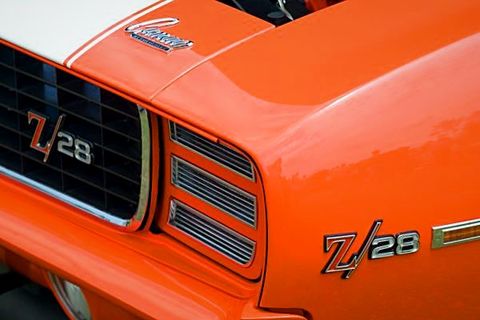
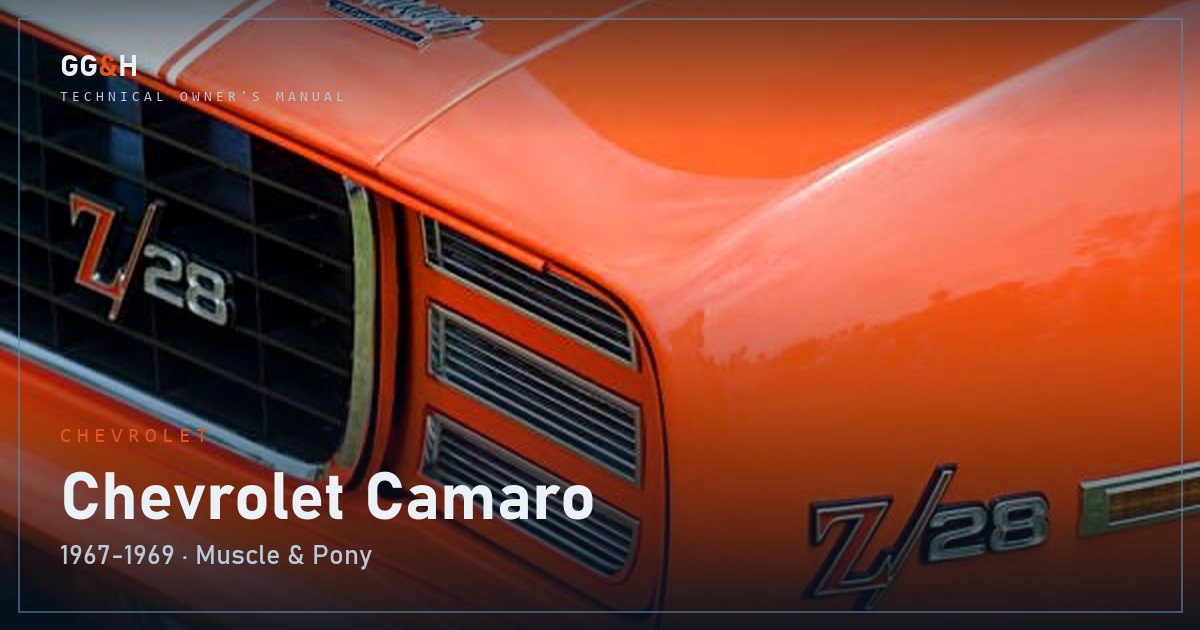
The Chevrolet Camaro is the archetype, and the first-generation cars remain the benchmark against which the rest are judged. SS, Z/28, and big-block 396 options mean you can buy anything from a straight-six cruiser to a genuine street brawler, so read the cowl tag and trim before you trust the badges. These cars rust at the lower quarters, trunk floor, and rear frame rails, and the front drum brakes on early cars are frankly overwhelmed by the power. A front disc conversion is the first upgrade most owners make and nobody regrets it.
Buick spent the era proving that torque beats horsepower on the street. The first Buick Gran Sport put the 401 nailhead into the Skylark and set the tone: heavy, refined, and deceptively quick off the line. It matters because it is the quiet ancestor of everything Buick did later, but parts for the nailhead engine are thinner on the ground than for a small-block Chevy, so budget for patience when sourcing.
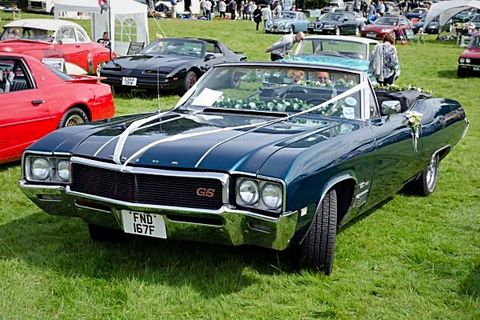
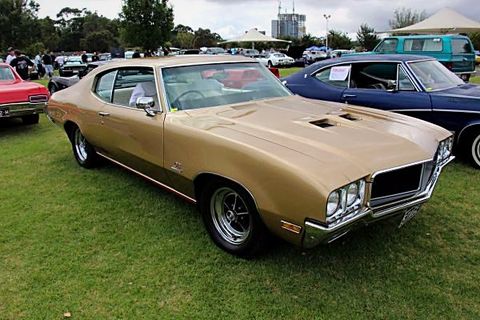
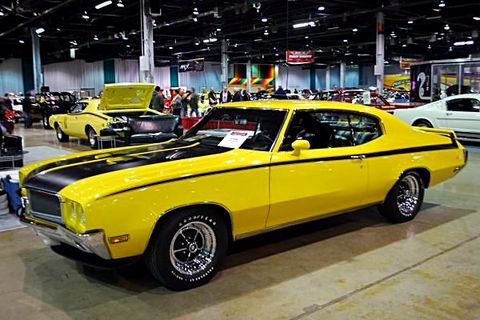
The high-water mark came with the Buick GS 455 and its Stage 1 package, which gave the division class-leading torque for the era and humbled cars with bigger reputations. Right beside it sits the Buick GSX, a limited 1970 run in Saturn Yellow or Apollo White with spoilers and the same Stage 1 heart. The GSX is the collector's darling of the group and priced accordingly, so verify the documentation carefully because clones are common. Both cars carry the weight of a full-size Buick, which means the stock suspension and brakes want upgrading before you drive hard.
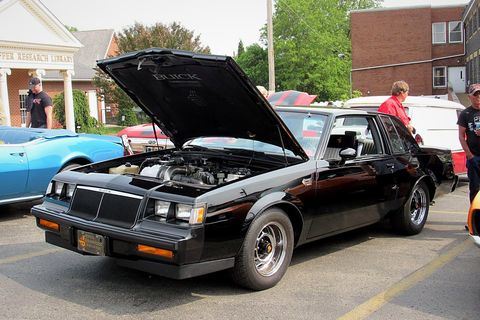
Then Buick did it again a decade later. The Buick Grand National / GNX threw out the big-block playbook entirely: a blacked-out turbocharged V6 that outran contemporary Corvettes and terrified V8 owners at every stoplight. It matters because it proved muscle did not have to mean displacement. Owners should know the turbo and intercooler systems reward fastidious maintenance, the factory plastic and interior trim age poorly, and clean unmodified GNX examples now command supercar money.
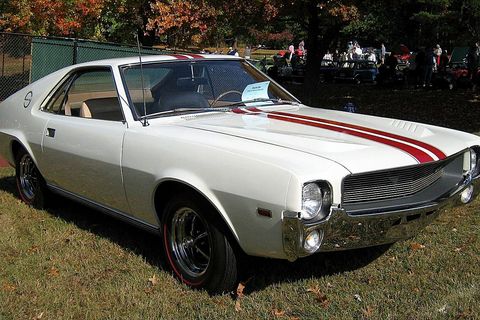
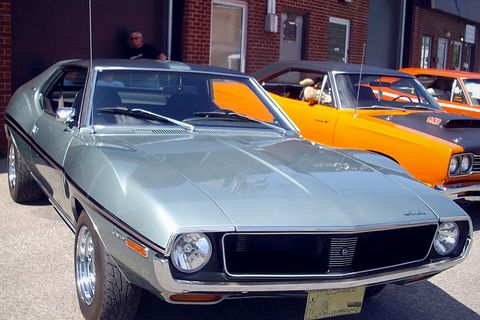
AMC built the underdog's muscle cars, and that is exactly why they are worth chasing. The AMC AMX is a genuine oddity: a short-wheelbase two-seat muscle car, the only one Detroit or Kenosha ever really committed to. Its stubby wheelbase makes it lively and a little nervous at speed, and body and mechanical parts can be hard to find, so buy the most complete car you can. Its four-seat sibling, the AMC Javelin, earned real Trans-Am racing credentials and offered the 390 V8, giving it pony car looks with a serious engine. Rust and parts scarcity are the recurring AMC themes, and interior pieces are the hardest to replace.
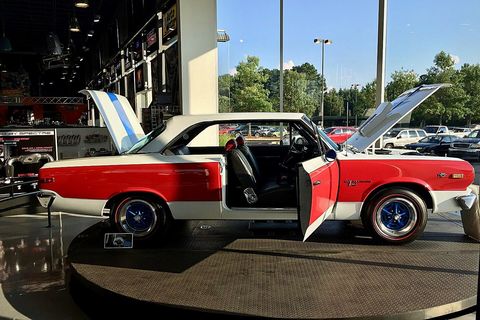
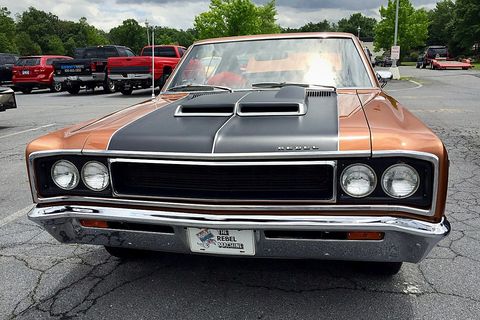
The two AMC specials are the ones enthusiasts really covet. The AMC SC/Rambler was a Hurst-prepared job that crammed the 390 into the lightweight Rogue body in loud red-white-blue paint, a giveaway sleeper that was anything but subtle. The one-year AMC Rebel Machine did the same trick with the intermediate Rebel, 390 power and patriotic trim in a car most people have never seen. Both are rare enough that condition and originality drive value far more than options, and both demand the usual AMC diligence on rust and trim.
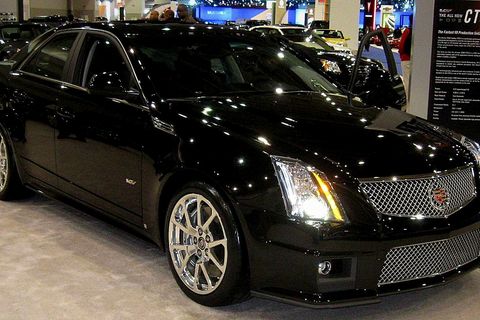
Finally, proof that the idea never died: the Cadillac CTS-V is a muscle car wearing a wreath and crest. The supercharged 556-horsepower sedan, wagon, and coupe took the formula (huge engine, sensible body) into the modern era with a real chassis underneath it. It matters because it showed American engineers could build a car that goes and stops and turns. Owners should watch the supercharger and differential on hard-driven examples, and the rare wagon carries a premium that reflects how few were built.
Every car here has a story worth knowing before you buy, and a maintenance reality worth respecting after. Garage, Galley & Hangar publishes a model-specific owner's reference for each one, written around the quirks, the weak points, and the parts that matter. Browse the full cars catalog to find yours.