Italian exotic cars sell a feeling before they sell an engine: the low nose, the badge, the sound of a high-strung V8 echoing off a canyon wall. That fantasy is real, but so is the invoice. These are cars built for passion first and durability second, and they reward owners who understand the difference. What follows are ten Italian exotics that genuinely deliver the dream, along with the honest ownership realities you should know before you sign. This is for the enthusiast who wants the poster car in the garage and is clear-eyed about what keeping it there involves.
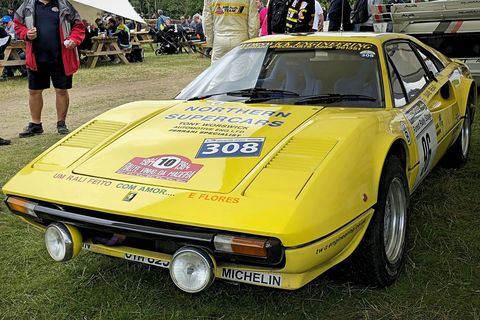
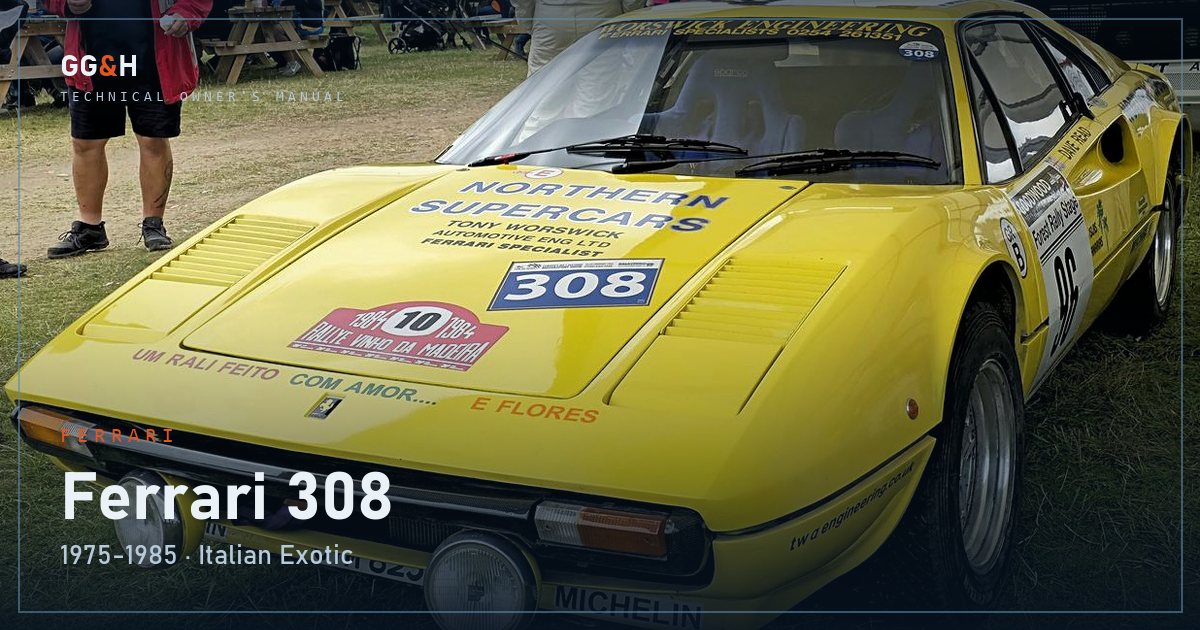
The Ferrari 308 is the gateway, and deservedly so. It is the Magnum PI car, the first of the mass-friendly transverse V8 berlinettas, and the model that made a Ferrari something an ordinary enthusiast could aspire to own. The shape has aged beautifully. The catch is service: the timing belts must be replaced on a schedule regardless of mileage, and on the carbureted early cars that means dropping or partially lifting the engine, which is where the labor hours pile up. Buy on service history, not paint.
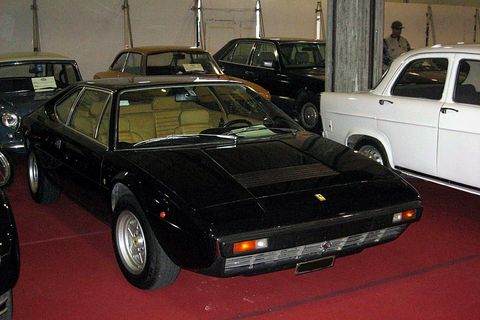
Its odd sibling, the Ferrari 308 GT4, was long the bargain of the family and is now catching up. It was the first V8 and first wedge-shaped production Ferrari, styled by Bertone rather than Pininfarina, which cost it favor for decades. That prejudice is fading, and the 2+2 packaging plus the same eager V8 make it one of the most usable classic Ferraris. The mechanicals demand the same belt-service discipline as the 308, so budget identically.
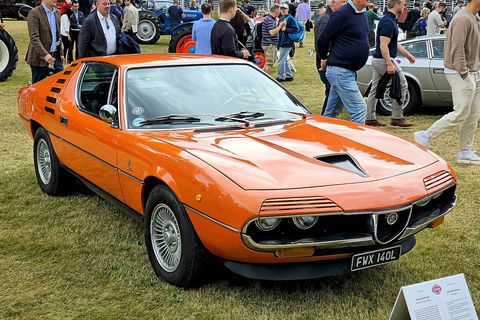
The Alfa Romeo Montreal is the sleeper exotic here. A Bertone show car turned road car, it hides a detuned racing V8 under those signature front eyelids. It looks like nothing else and sounds glorious. The realities are the mechanical fuel injection, which needs a specialist who genuinely understands it, and the usual Italian appetite for rust. A sorted Montreal is a joy; a neglected one is a money pit with a beautiful body.
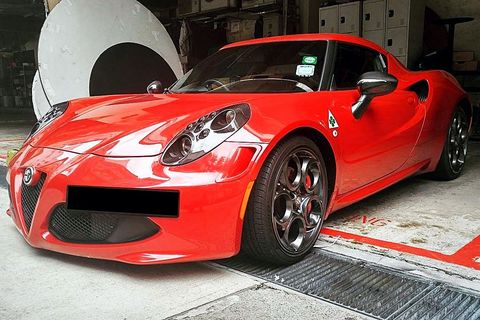
For a modern take, the Alfa Romeo 4C is the purist's choice. A carbon-fiber tub, under 2,500 pounds, and no power steering give it a rawness almost nothing else new offered. That purity is also the compromise: the ride is firm, the cabin is tight and loud, and the unassisted steering fights you at parking speed. Owners who want an event every time they drive love it. Owners who wanted a comfortable weekend GT tend to move on quickly.
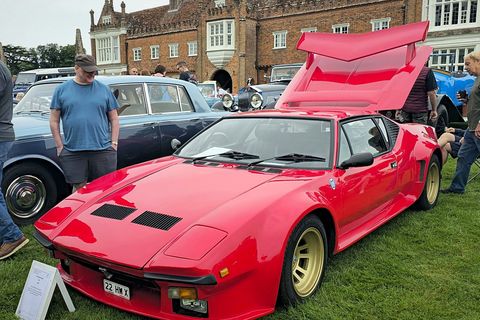
The De Tomaso Pantera solves the maintenance anxiety in the most American way possible: a mid-mounted Ford V8. It was once sold through Lincoln-Mercury dealers, and that Cleveland engine means parts and know-how are everywhere and cheap by exotic standards. The Italian bodywork rusts, the early cabins run hot, and the ZF transaxle rebuild is the big-ticket item, but few exotics combine this much drama with this little drivetrain fragility.
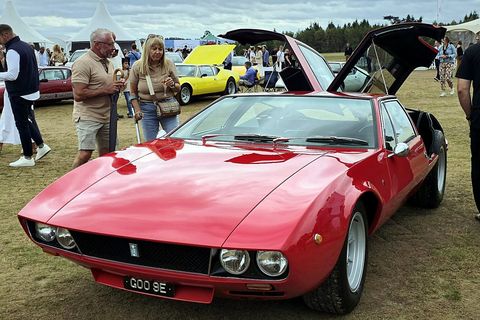
Its predecessor, the De Tomaso Mangusta, is rarer, prettier, and far more demanding. The Giugiaro wedge with the gullwing engine covers was named for the mongoose that kills cobras, a jab at Carroll Shelby. It is stunning and it is flawed: a flexible backbone chassis and famously nervous handling at the limit mean this is a car you buy to admire and drive with respect, not one you flog.
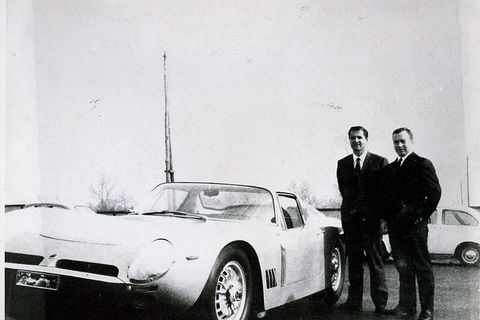
The Bizzarrini 5300 is the connoisseur's pick. Giotto Bizzarrini set its Chevrolet V8 entirely behind the front axle, making it a front-mid-engine grand tourer with a racing pedigree and an impossibly low roofline. Values are now firmly in serious-collector territory, and parts for the bespoke bits are scarce, so this is a dream for the owner who wants rarity and engineering purity over convenience.
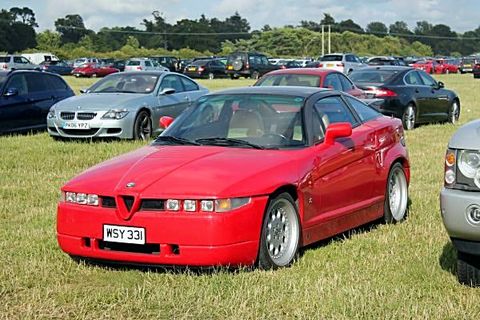
The Alfa Romeo SZ/RZ, nicknamed Il Mostro (the Monster), is proof that polarizing can age into iconic. Its slab-sided Zagato wedge was shocking in 1989 and looks fantastic now. Built in small numbers on Alfa 75 mechanicals, it is more robust than most on this list, though the composite body panels and low production make trim and glass hard to source.
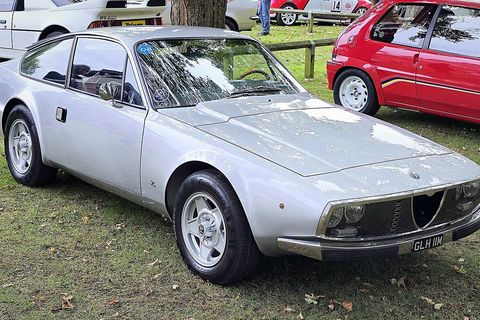
The Alfa Romeo Junior Zagato is the affordable entry into coachbuilt Alfa ownership. A truncated Kamm-tail coupe on the reliable Giulia platform, it pairs a hand-built Zagato body with running gear that any good Alfa shop can service. Rust in the unique bodywork is the enemy; the twin-cam underneath is one of the toughest engines here.
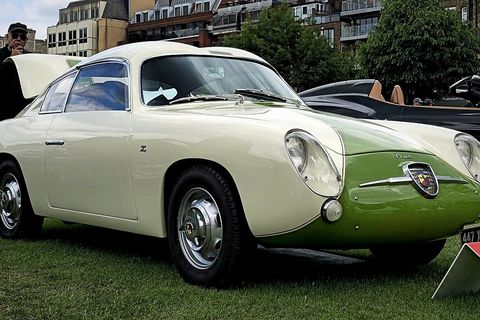
Finally, the Abarth 750 is the pocket-sized dream. A Zagato-bodied, Fiat-based racer with twin roof blisters to clear the drivers' helmets, it is a giant-killer that ran with its engine lid propped open for cooling. It offers the most authentic vintage-racing experience for the least outlay, provided you accept tiny dimensions and a tinier parts supply.
Every one of these cars rewards the owner who reads before they wrench. Garage, Galley & Hangar publishes a model-specific owner's reference manual for each of them, with the service intervals, known weak points, and buying checklists that separate a good example from an expensive lesson. Browse the full catalog at the Garage, and buy the dream with your eyes open.