Motorcycles look like the cheap way to own something interesting, and in purchase price they usually are. The running costs are where they surprise people, because a bike consumes its consumables far faster per mile than a car does and the service intervals are shorter. None of this is a reason not to own one. It is a reason to know the number before you buy, so the bike gets ridden instead of parked.
The consumables, which dominate
Tires. This is the big one. A motorcycle tire has a fraction of the contact patch and a fraction of the life of a car tire, and sport-oriented rubber wears fastest of all. Plan on replacing rears far more often than fronts, plan on mounting and balancing on top of the tire price, and remember that tires also age out on their date code even if you ride little. For most riders this single line item is the largest recurring cost after insurance.
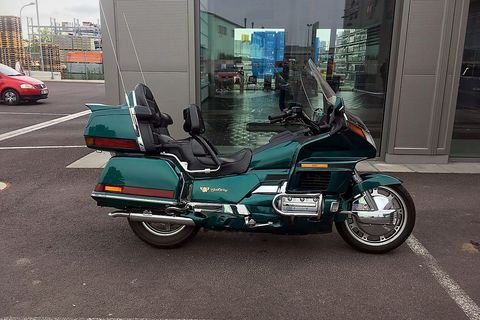
Chain and sprockets. On a chain-drive bike this is a regular replacement, usually as a set, plus cleaning and lubrication every few hundred miles. Shaft drive removes this cost and adds a final drive oil service and a higher repair bill if it ever fails. Belt drive sits in between, with long life and a significant one-time cost.
Brakes. Pads wear faster than on a car, and discs are consumable on a high-mileage bike rather than permanent.
The services
Oil changes come around more often than on a car, and on bikes with a shared engine and gearbox sump the oil works harder.
The service that catches people is the valve clearance check. Many bikes want it at a defined mileage, it is labor-intensive on some designs, and on a four-cylinder engine with shim-under-bucket adjustment it can be a substantial bill at a shop. Find out what the interval and the design are for the specific model before you buy, because two bikes that cost the same can differ by a large multiple on this one item.
Modern bikes add fork and shock servicing, brake fluid and coolant changes on a calendar, and on some models a timing chain or belt. The maintenance interval planner turns the schedule into a yearly figure.
Insurance, and what moves it
Motorcycle insurance varies more by rider and machine than car insurance does. Age, experience, license endorsements, where the bike is stored overnight, and the category of bike all move it sharply. A liter-class sportbike and a mid-size standard can differ by several times for the same rider. Quote the specific bike before you buy it rather than assuming, because this is the line item most likely to derail a budget.
Comprehensive coverage on an older bike is worth a conversation, and theft cover depends heavily on how and where you store it.
The costs that are not the bike
Gear is a real up-front number and a recurring one. A helmet has a service life and must be replaced after any impact. Jacket, gloves, boots and trousers wear out, and if you ride in varied weather you end up owning more than one set. Buy this properly the first time, since it is the cheapest safety equipment you will ever own relative to what it does.
Then there is training, which pays for itself in insurance discounts on many policies and in outcomes generally. Storage, if the bike will not live at home. A cover, a maintainer, and a paddock stand or center stand. A basic tool kit, since a lot of routine motorcycle maintenance is genuinely accessible to an owner, which is where the cost equation improves fastest.
Where the cheap bikes are
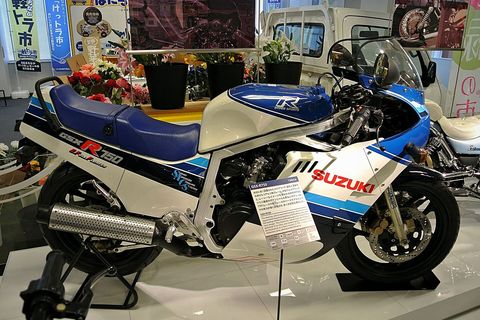
The least expensive motorcycles to run share a pattern: mid-size engines, long valve service intervals or screw-and-locknut adjustment, mild tires that last, shaft or belt drive or a well-protected chain, high production numbers and good parts supply.
The most expensive share the opposite: high-strung engines that eat tires and want frequent valve work, low production numbers, specialist-only servicing, and a manufacturer that has left the market.
Build the number per mile
Add annual insurance, storage and scheduled servicing, then divide the cost of a set of tires and a chain kit by the miles they last and add that per-mile figure. That total is what riding actually costs you, and it is usually far more honest than fuel economy, which is the number most people quote and the one that matters least.
Then check the asking price with the what should I pay calculator and go look at the bike with the inspection checklist.
Service intervals, known weak points and parts availability vary enormously between models. Garage, Galley & Hangar writes a model-specific owner's reference manual for every motorcycle in the catalog, covering exactly those. Browse the motorcycles catalog.