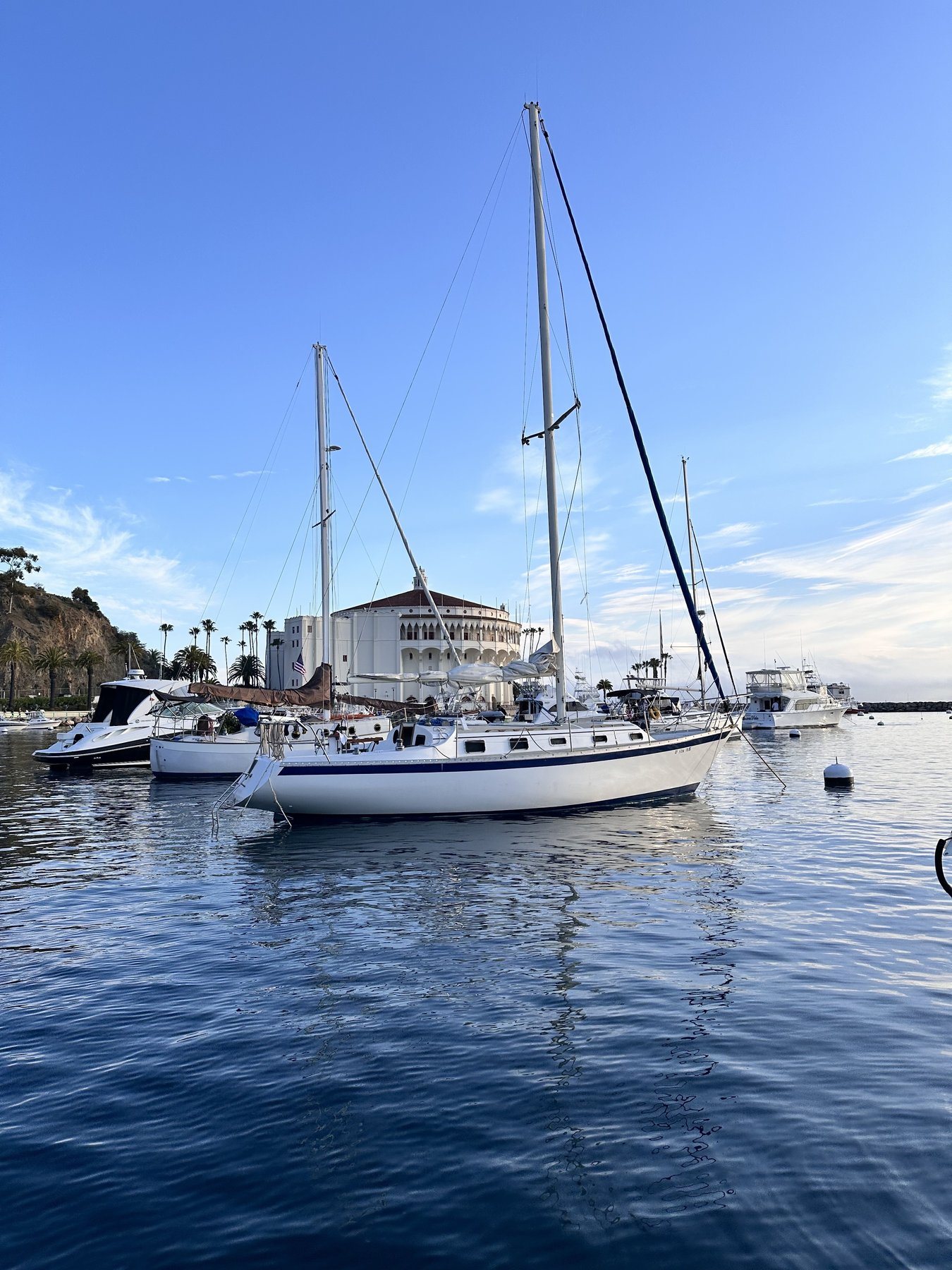
Irwin Citation 34
This copy was tailored to the owner’s configuration.
- Year1984
- EngineYanmar 3GMF marine diesel
- ElectronicsOpenPlotter on Raspberry Pi 5 with MacArthur HAT (owner-installed)
- HomeportYacht Haven Marina, Los Angeles area
- Typical Usecoastal SoCal, Catalina Island crossings
About This Book
This chapter explains what this book is, how it treats facts about a forty-year-old production sailboat, and how to find your way through it. Read it first: five minutes here will tell you which numbers in the chapters that follow you can trust outright, which ones you must verify on your own boat, and where to begin depending on whether you are shopping for a Citation 34, settling into one, or bringing one back from the brink.
1.1 What This Book Is
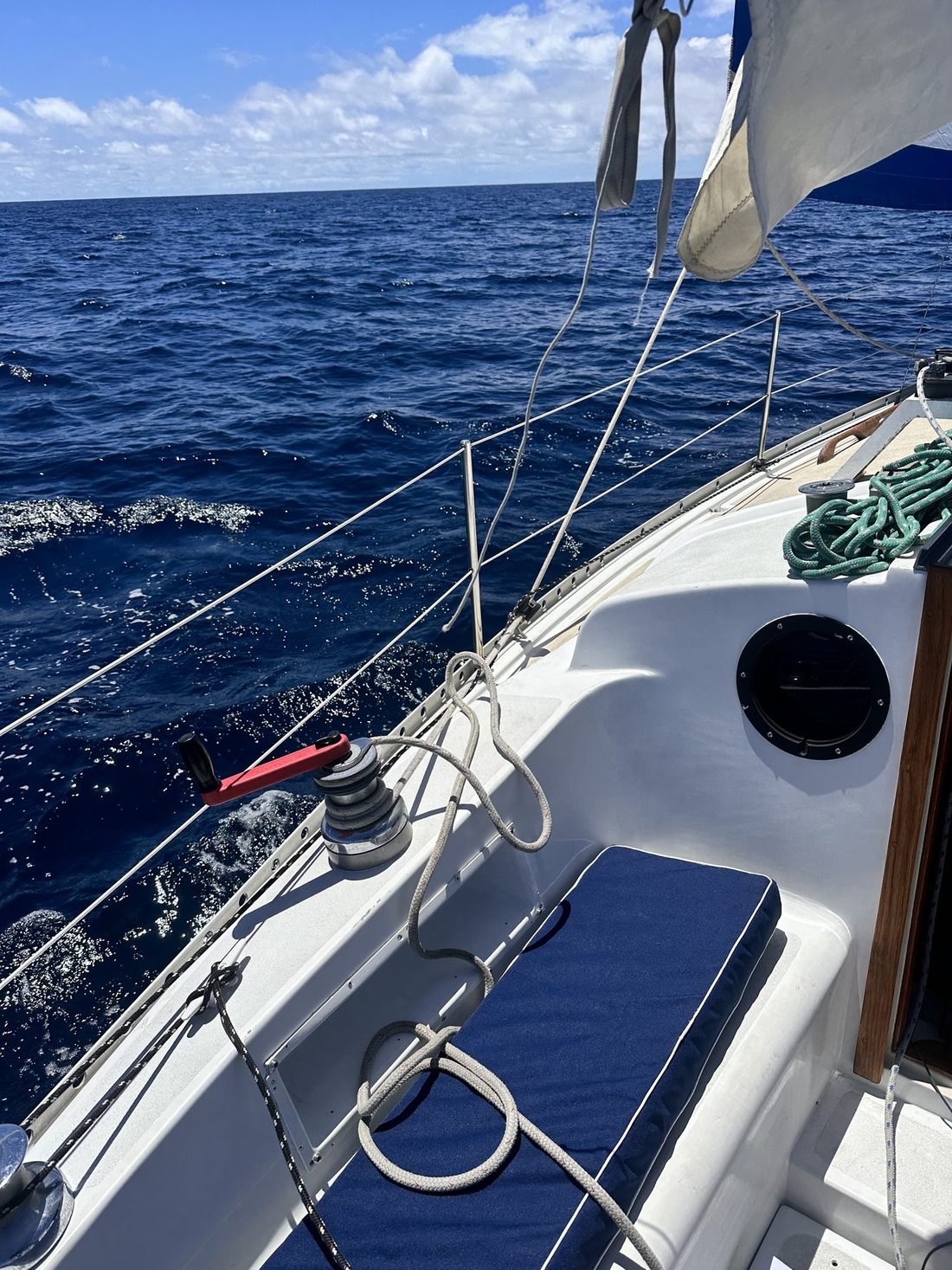
This is an owner's reference for the Irwin Citation 34, built by Irwin Yachts of St. Petersburg, Florida between 1978 and 1985. It is not a brochure, and it is not a love letter, though it was written by people who genuinely admire what Ted Irwin drew. It is the book the factory never wrote and, since the company is long gone, never will: a single place that gathers the specifications, the known weaknesses, the systems as built, the Yanmar diesel that drives her, the maintenance schedule, and the map of where parts and knowledge still live today.
You do not need to read it cover to cover. It is organized so that a question, why is my bilge never quite dry? or what does that pennant in the galley grab rail actually do?, leads you to a chapter, and the chapter leads you to an answer, an inspection method, and usually a realistic cost. Keep it aboard. Write in it. The margins are yours.
1.2 The Boat in One Paragraph
The Citation 34 is a 34-foot-3-inch masthead sloop, 11 feet 3 inches of beam, 11,500 pounds of displacement, designed by Ted Irwin as the plush-cruiser entry in his performance-flavored Citation line. Roughly 305 were built over eight model years, most sold along the Eastern Seaboard and the Great Lakes, and the same boat was marketed at different times as the "Citation 34," the "Irwin 34," and the "Irwin 34 Citation" without significant design changes. She came with three keel choices, a 5'4" fin keel, a shoal keel advertised at 4'0" but almost never actually seen, and the most popular option, a shallow stub keel with a centerboard drawing 4'0" board-up and 8'0" board-down. Inside she is all volume: a huge U-shaped galley, 80 gallons of water, three good berths plus a convertible dinette, and 6'4" of headroom. She was an economy builder's boat, priced against Catalina, with the corner-cutting that implies, screw-fastened hardware, a screwed hull-to-deck joint, but also with genuine virtues her rivals lacked: sub-four-foot draft, generous tankage, and the best engine access Practical Sailor said it had ever seen on a boat this size. Sailed honestly, she is a comfortable, roomy coastal cruiser with a PHRF rating around 160: not fast, not fancy, and a great deal of boat for the money.
1.3 Reading a Forty-Year-Old Boat's Record
The factory is gone. Irwin Yachts collapsed through a succession of bankruptcies around 1990–1992, and what survives is a patchwork: two professional used-boat reviews, database entries that copied from each other, broker listings, owner forums, and one semi-official parts desk run by a former Irwin project manager. On a few things you would expect to be settled, ballast, the production start year, the rig dimensions, the records simply disagree. Where that happens, this book gives you the best-supported figure and tells you to confirm it against your own boat or the factory brochure before you act on it.
Safety-critical numbers, a torque value, a valve clearance, a rigging interval, carry their source right in the sentence so you can check them yourself: standing rigging wire is generally due for replacement at 10–15 years of age (source: improvesailing.com); the Yanmar GM-series valve clearance is 0.2 mm, set cold (source: Yanmar Operation Manual 128270-4E).
One discrepancy is worth flagging now because it runs through everything: the engine. The reviews say the boat "came with a Yanmar 15," with a roughly 20 hp Yanmar optional, but the 15 hp figure belongs to the early two-cylinder engine, while the three-cylinder 3GMF that many boats carry is a nominal 20 hp engine no matter what the listing says. Anyone who tells you their boat has a "15 hp 3GMF" is fusing two different engines. The engine chapter untangles this fully.
1.4 How the Chapters Are Organized, and Where to Start
The book runs in the order of an ownership life: first the boat's history and specifications: Ted Irwin, the company, the full spec sheet, the keel variants, and how she compares to the Hunter 34, Catalina 34, and C&C 34 she competed against. Then known issues and survey: the documented weak points (balsa core decks, the screwed hull-to-deck joint, embedded chainplates, cheap through-hull valves), each with an inspection method, severity, and realistic cost, building to a full survey checklist. Then the systems as built: electrical, water, sanitation, steering, the centerboard pennant, ground tackle. Then the engine and propulsion: the Yanmar GM family in detail, from the horsepower confusion through impellers, mixing elbows, and repowering. Then maintenance: everything on a schedule, from every-sail checks to the ten-year jobs, including keel bolt and bilge discipline. Finally, parts and community: where hardware, drawings, manuals, and living knowledge for an orphaned boat actually come from in the 2020s.
Where you start depends on where you stand:
- Shopping for one? Start with the history and specifications chapter to learn the keel variants and what the boat is worth, then go straight to known issues and survey. On this boat, five documents, invoices for deck core repair, toe rail rebedding, chainplate replacement, seacock renewal, and rerigging, are worth more than any broker adjective. Do not make an offer before reading the survey checklist.
- Just bought one? Start with the systems chapter to learn what you own, then the maintenance chapter to learn its rhythm. Your first season's priorities are almost certainly in the known-issues chapter's upgrade list, seacocks and through-bolting lead it.
- Restoring one? Read known issues first to scope the patient, then parts and community before you order anything, the fleet was optioned and refitted too variably for part numbers to be trusted blind, and the sourcing chapter will save you real money and false starts.
1.5 Verify on YOUR Boat
This book describes a typical Citation 34. Three hundred-odd boats left the factory over eight years, were optioned differently, and have since had four decades of owners with drills. Before you rely on any number in these pages, anchor it to your actual boat:
- Identify your hull. Find your hull identification number (molded into the transom on boats of this era) and your documentation, and pin down the model year, it matters. Boats from 1982 onward, for instance, traded the long fixed aft cabin window for two smaller opening ports, and equipment varied year to year even though the design did not.
- Read the engine plate, never the listing. The difference between a 3GMF and a 3GM30F is invisible from the cockpit and decisive at the parts counter: impellers, pumps, and gaskets differ between the generations. The plate on the engine, and the gearbox plate behind it, outrank every document including this one.
- Confirm your keel. Measure your draft and look for the pennant tube at the galley's forward grab rail, its presence means centerboard. Then, hauled, establish whether your keel is bolted or encapsulated: owner reports conflict on this exact point, and the answer changes your entire inspection program.
The habit generalizes. Measure your rig before ordering sails. Trace your sanitation hoses before trusting a Y-valve. When this book and your boat disagree, your boat is right.
1.6 A Note on Customized Editions
Some copies of this book are customized editions, which add a final chapter specific to one particular hull, its year, engine, electronics, home port, and the owner's own modifications and records. If your copy carries that chapter, everything in it supersedes the "typical boat" described here, because it has done what this chapter just asked of you: it was verified on the boat.
Welcome aboard. She's a good old boat, honestly described, which is the only way a good old boat deserves to be described.
History & Identity
The Irwin Citation 34 was drawn by a self-taught champion racer, built by one of the largest and most value-driven sailboat producers in America, and sold for eight years into the most crowded 34-foot market the industry has ever seen. Her builder is long gone, dissolved in a two-stage collapse around 1990–92, and her reputation has always been double-edged: generous accommodations and honest sailing manners on one side, documented construction shortcuts on the other. Understanding both sides is the beginning of owning this boat well.
2.1 The Man Who Drew Her
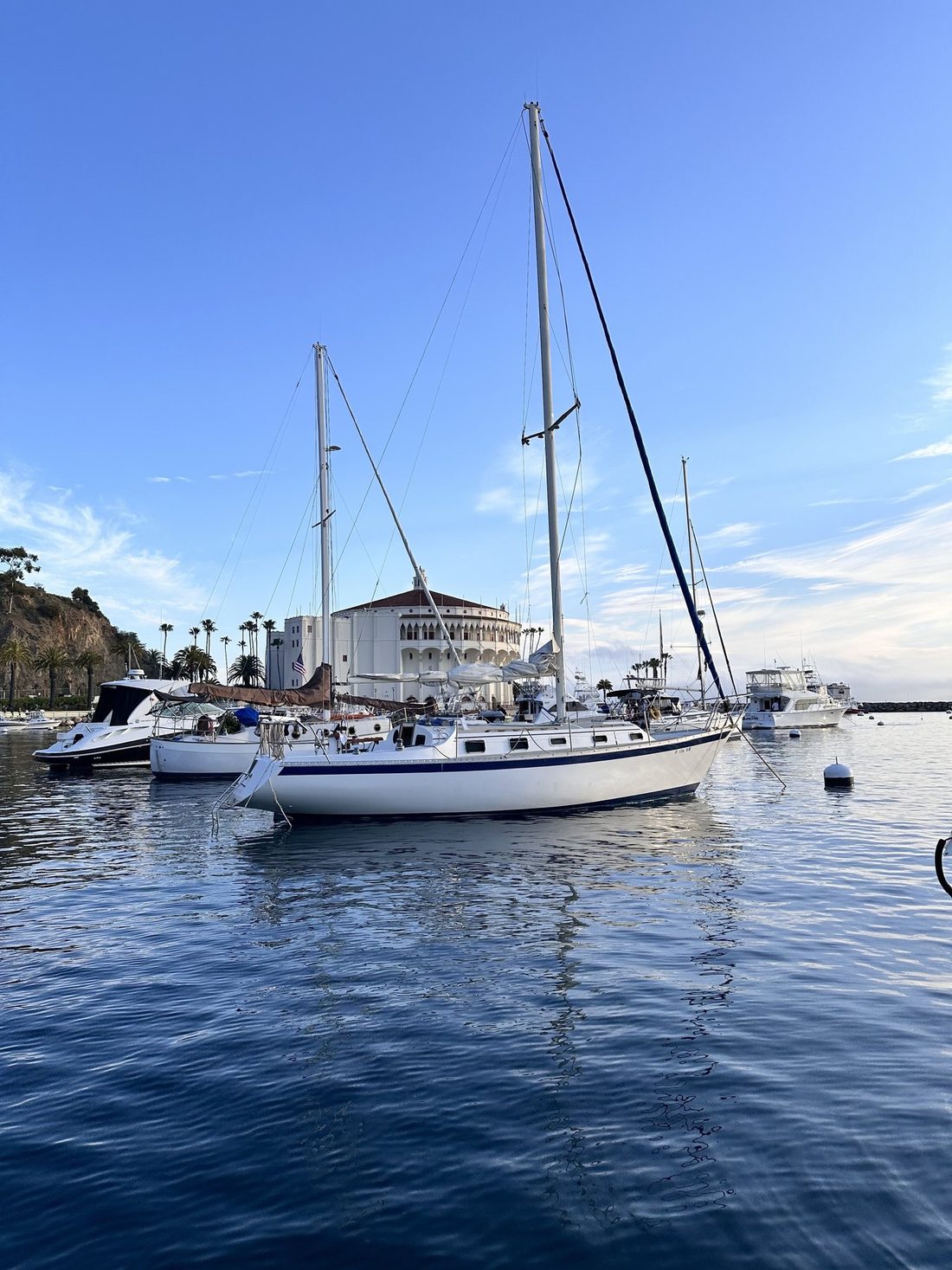
Ted Irwin was born June 28, 1940, in Elizabeth, New Jersey, and he was the genuine article: a self-taught prodigy who was building boats of his own design in his backyard at fifteen. He designed and built his own Moth dinghy and won both the North American and world championships in the class. At about twenty-one he apprenticed under Charlie Morgan at Morgan Yachts as a draftsman, illustrator, and part-time builder, then, after a stint in the U.S. Coast Guard, went out on his own in 1963, renting a small Quonset hut on St. Petersburg Beach for $75 a month.
His first build took six arduous months: the 31-foot racer-cruiser Voodoo, completed in 1963. Voodoo made his name. Irwin raced her from 1964 to 1966 and dominated Florida Ocean Racing Association competition, the sources disagree on the exact tally (one says she won 24 of the 28 races he entered; others say 26 of her first 28), but either way it was near-total dominance, and he swept FORA honors three years running. A string of famous Irwin race boats followed: Voodoo, Black Magic, La Pantera, Razzle Dazzle, and R2D2. His 1982 design Razzle Dazzle won that year's Southern Ocean Racing Conference and became the basis for the Irwin 41 Citation, direct evidence that "Citation" was Irwin's performance-flavored sub-brand, a point we will return to.
When Irwin died on February 5, 2015, in Little Rock, Arkansas, age 74, of multiple myeloma, the sailing press remembered him as "a seminal part of the fiberglass boat building revolution of the 1960s and 70s." That is the right frame for your boat: she was drawn by a racer who built for ordinary buyers, at the height of the fiberglass production boom.
2.2 Irwin Yacht & Marine: The Rise
Irwin Yacht & Marine Corporation was incorporated in 1963 and moved to its purpose-built factory site in St. Petersburg, Florida, in 1966, the year most references treat as the founding of the production company. (Corporate filings later show a Clearwater, Florida address at 13055 49th Street North.) The first production model, the Irwin 27, launched in 1967, and the company grew fast: from 12,500 square feet of shop space to more than 75,000, with over 200 employees at its peak.
The scale of the operation matters to how you should think about this boat. Irwin built more than 6,000 boats, making it one of the largest sailboat producers in the United States. Practical Sailor counted 47 different sailboat models before the company's final 50-foot cruiser, a diversity that, among American builders, only Pearson approached, spanning outright racers to full cruisers. Ted Irwin was both CEO and chief designer throughout, and the company was vertically integrated to control cost: it "produced everything possible in-house, from the boats' masts, right down to the marketing brochures." That in-house spar production is worth remembering, it means there is no Kenyon or Isomat catalog to cross-reference when you need mast parts (see the Parts Sourcing chapter).
Two more data points round out the picture. In 1974, Irwin traded the Irwin 32 molds to help launch Endeavour Yacht Corporation, an unusually collegial gesture toward a would-be competitor. And in big cruising boats, Irwin was a giant: the company built more cruising sailboats over 50 feet than any other builder worldwide, with the Irwin 52, 54, and 65 becoming staples of the Caribbean charter fleets (the Irwin 52 alone ran past 250 hulls).
2.3 The Character of the Builder
Where did Irwin sit in the market? The honest answer, per Practical Sailor: an economy builder, comparable to Catalina Yachts in price point, but with far greater model variety. Irwin bought supplies in large lots, owned its factory, made its own masts, and delivered a great deal of boat per dollar. Buyers got interior volume, tankage, and equipment levels that undercut the premium yards substantially.
The flip side is the part every Irwin owner learns to say out loud, because pretending otherwise serves no one. The cost discipline showed up in the details of construction. On the Citation 34 specifically, Practical Sailor's inspection-based review documented the list: a hull-to-deck joint fastened with sheet-metal screws rather than through-bolts, pulpits and stanchions screwed down rather than through-bolted, deck cleats fastened with sheet-metal screws, cheap through-hull valves, and no washers on the chainplate bolts. Their summary judgment was blunt: the construction corner-cutting was "substandard compared to many other boats available", and yet the same review concluded the boat "offers a lot of basic boat, especially if bought at the right price."
That verdict has aged into the fleet's broader reputation. Today's owner consensus on Irwins generally runs: a "practical, good-value option" praised for "robust durability and longevity," with recurring criticism of leaks around portlights and non-through-bolted hull-deck joints. Both halves are true at once. The basic fiberglass work on inspected Citation 34s was judged solid and good; the shortcuts were in fastening and fittings, which is actually the better problem to have, because fastenings can be upgraded by an owner and hull laminate cannot. Chapters 4 and beyond treat every one of these items as a survey and upgrade program rather than a verdict.
2.4 The Fall: A Two-Stage Ending
Irwin Yachts did not end cleanly, and the sources reflect that. The company "found itself in bankruptcy any number of times," with boats "offered under any number of corporate names." The best-documented sequence of the final act runs like this:
- The firm entered Chapter 11 and spent roughly 18 months in reorganization. In July 1990, creditors approved a repayment plan at 35 cents on the dollar, allowing the firm to emerge from bankruptcy, after which it was acquired by American Cruising Yacht Co., which produced models into 1992.
- The final closure date is genuinely in conflict across otherwise reliable sources. Wikipedia and Practical Sailor say the company "closed for good in 1992" after successive bankruptcies and name changes. Ted Irwin's Scuttlebutt obituary says the company built its 6,000-plus yachts "before closing in early 1990." The owner-community site irwinyachts.com states production ceased in 1991.
The dates reconcile if, and only if, you read the ending as two-stage: 1990 marks the original entity's collapse into Chapter 11, and 1991–92 marks the end of production under the successor company. No source states this reconciliation explicitly, so this book presents it as the most sensible reading of the record, not as fact. What is not in dispute is the outcome: by 1992 at the latest, there was no more Irwin Yachts.
There was one coda. In 1998, Ted Irwin and Gene Gammon, a former Irwin 52 project manager, co-founded "Irwin Yacht International, Inc." intending to produce new models. Nothing shipped at scale. Gammon, however, went on to become the fleet's de facto factory support desk through irwinyachts.com, a story told in full in the Parts Sourcing chapter.
What the collapse means for you is structural, not sentimental: there is no factory. No OEM parts counter, no warranty archive, no builder-maintained drawings office. The knowledge base for this boat lives in two used-boat reviews, one owner-run website, a set of forum threads, and books like this one.
2.5 The Citation Line, and Where the 34 Sat
"Citation" was Irwin's sub-brand for its more performance-oriented boats, fin keels and masthead sloop rigs, aimed (in Spinsheet's words) at "economy-minded buyers looking for a more performance-oriented boat," delivering "livelier sailing performance while retaining much of that characteristic Irwin interior volume." The lineage runs straight through Ted Irwin's racing: the SORC-winning Razzle Dazzle became the Irwin 41 Citation.
Within that line, though, the 34 occupied a softer spot, and the two review sources frame it from opposite directions in a way worth quoting rather than smoothing over. Spinsheet emphasizes the performance side of the Citation brand. Practical Sailor says the boat was "originally called 'Citation 34' to indicate more of a plush cruiser than the race-oriented Irwins." Both are right: against the cruising Irwins, the fin-keel, masthead-sloop 34 was the sportier offering; against the actual racer-cruisers of her day, she was the comfortable one. Her PHRF rating of around 160 (regional certificates run roughly 160–180) tells you where she really lands, Practical Sailor called her "slightly slower than other cruiser/racers of that era," and against a true performance boat like the C&C 34 (PHRF roughly 105–117), the gap is more than 50 seconds a mile. She is a cruiser wearing the racing division's name.
2.6 Production Run and Year-by-Year Changes
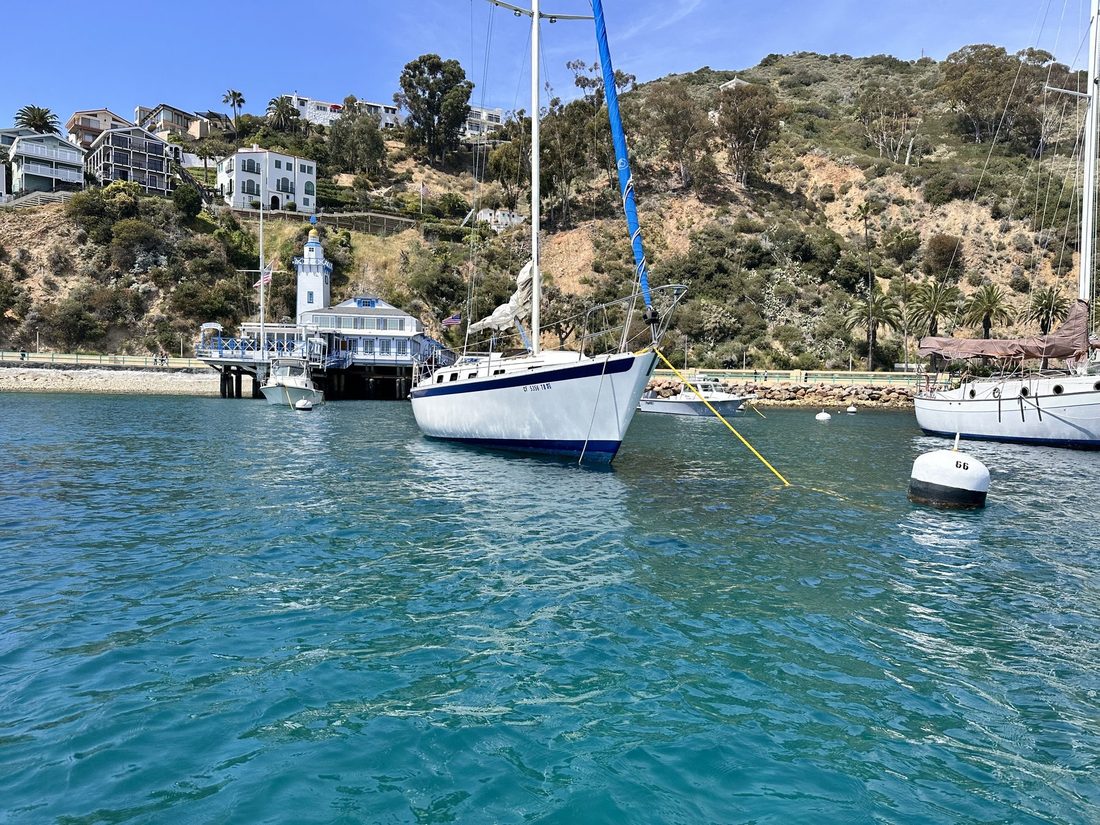
The Citation 34 was introduced in 1978 and built through the 1985 model year, with approximately 305 units built, most sold along the Eastern Seaboard and Great Lakes.¹ ² There was one hull, one deck, one interior layout for the entire run, Practical Sailor is explicit that "there were no major changes in the boat from beginning to end, just the details and equipment that are typical of any long production run."
| Year(s) | What changed | Notes |
|---|---|---|
| 1978 | Introduction | Practical Sailor and Spinsheet both give 1978; 1978 hulls exist on the used market¹ |
| 1978–1981 | No documented design changes | Early boats carry a long fixed window at the aft end of the cabin trunk; early "Yanmar 15" era engines (see the Engine chapter) |
| 1982 | The one documented visual change: the long fixed aft cabin-trunk window was replaced with two smaller opening ports, along with "a slight modification of the transom" | Post-1982 boats gain two opening ports (nine total openings with the hatches) and less fixed-glass perimeter to leak |
| ~1983–1985 | Late-run boats marketed simply as "Irwin 34": a rebadge "without significant design changes" (Practical Sailor) | Same boat, new name; engine fits shift toward the 3GM family in this period |
| 1985 | End of production | Company troubles were still five years off; the 34 simply reached the end of its market life |
¹ One database (Sailboat Guide) lists the run as 1979–1985. Two independent review sources say 1978, and 1978 boats exist on the market, so this book uses 1978. ² The 305 figure is repeated everywhere but likely traces to one original source; Practical Sailor notes a "300" variant. Say "approximately 305."
One boat, three names. Because of the late-run rebadge, listings for this boat appear under "Citation 34," "Irwin 34," and "Irwin 34 Citation" interchangeably, SailboatData titles its entry "IRWIN 34 CITATION," and J.D. Power catalogs a 1984 "Citation 34/SL" (a designation worth knowing for insurance and valuation lookups). A buyer or seller searching only one name will miss boats. Search all three.
2.7 The Market of Her Era
The Citation 34 sold into the golden age of the American 34-footer, and the comparison table explains a great deal about both her selling points and her reputation:
| Irwin Citation 34 | Hunter 34 | Catalina 34 | C&C 34 | |
|---|---|---|---|---|
| Years / units built | 1978–85 / ~305 | 1983–87 / 800+ | 1985– / 1,438 | 1977– |
| LOA | 34'3" | 34.42 ft | ~34.5 ft | 33.5 ft |
| Beam | 11'3" | 11.58 ft | ~11.75 ft | 11.0 ft |
| Displacement | 11,500 lb | 11,820 lb | 11,950 lb | 10,100 lb |
| Ballast | 4,100–4,500 lb | 5,000 lb | 5,000 lb | 4,100 lb |
| Sail area | ~538 sq ft | 566.89 sq ft | 523.19 sq ft | 516.85 sq ft |
| Keel options | fin / shoal / centerboard | fin | fin or wing | fin |
Three readings of that table matter to an owner today:
- She was a low-volume boat. Hunter built 800-plus 34s in about three and a half seasons; Catalina built 1,438. The Irwin's roughly 305 hulls over eight years show up now as a thinner parts and knowledge base and fewer listings at any given moment.
- She is the lightest-ballasted of the group. Hunter and Catalina both hung 5,000 pounds under similar displacement. The Irwin's 4,100–4,500 pounds is consistent with what centerboard-model owners consistently report: the boat feels notably tender despite the high initial form stability of her 11'3" beam.
- She had two genuine trump cards. The centerboard model's sub-4-foot board-up draft, none of the competitors went shallower than about 5 feet without a wing keel, and tankage nobody else matched: 80 gallons of water plus a holding tank Practical Sailor called "a rarity on production boats of this class." For a Chesapeake, Florida Keys, or thin-water Great Lakes buyer in 1980, those were decisive.
2.8 Reputation, Then
Practical Sailor's used-boat review remains the single most influential document about this boat, and its verdict deserves quoting whole rather than in fragments. On construction: the corner-cutting was "substandard compared to many other boats available." On the mission: "We generally would not recommend the boat to anyone contemplating ocean passages, unless considerable basic upgrading had been completed." On value: the boat "offers a lot of basic boat, especially if bought at the right price."
The same review praised what deserved praise: an interior with "more counter space than is usual for boats of this size," a big holding tank, good ventilation, a good big cockpit, and engine access through a removable section of the cockpit sole that was "the best we have seen on a boat this size." The review's criticisms were of the fastenings, fittings, and original equipment (sails useful only "as drop cloths," minimal winches), not of the hull, the design, or the concept.
2.9 Reputation, Now, and What the Market Says
Forty-plus years on, the owners who keep these boats love them for exactly what Irwin sold: volume, comfort, shallow water access, a wraparound galley, tankage, and that superb engine access. The known issues are just that, known, and the fleet's active owner community (see the Parts Sourcing chapter) has spent decades documenting the fixes.
The market prices all of this honestly. As of mid-2026, observed asking and sold prices:³
| Example | Price | Source |
|---|---|---|
| 1983 Citation 34, Northport, MI | $12,500 asking | (source: kamyachtsales.com) |
| 1984 Irwin 34, Port Charlotte, FL | $18,000 asking | (source: sailboatlistings.com) |
| 1982 Irwin 34 Citation, Buford, GA | $18,500 asking | (source: boattrader.com) |
| 1978 Citation 34, Seattle, WA (fin keel, repowered, well equipped) | Sold at $19,500, reduced from $22,500 | (source: pacificmarine.org) |
| Aggregator band | $10,000–$25,000 | (source: boats.com) |
³ Snapshot researched July 2026 from fetchable broker pages and aggregator indexes; most listing platforms block automated retrieval, so treat this as a bracket, not a valuation. One aggregator's claimed "$25,000–$60,000" range is inconsistent with every individually observed listing and is rejected as auto-generated boilerplate.
The practical bracket: project boats around $10,000–13,000; sound sailaway examples around $17,000–22,000; exceptional or freshly refit boats pushing toward the high $20,000s. Two further observations are worth more than the numbers themselves. First, Practical Sailor's own review-era price samples, $12,500 to $29,000, are nearly identical in nominal dollars to today's, meaning the boat has depreciated substantially in real terms over roughly 25 years; you are buying condition, not a model year. Second, and following directly: condition, deck core moisture, hull-to-deck joint history, engine, sails, moves the price of a Citation 34 far more than anything printed on the title. A documented history of the five big-ticket repairs (deck recore, toe-rail rebedding, chainplate replacement, seacock renewal, re-rig) is worth real money; its absence should be priced in.
2.10 The Portrait
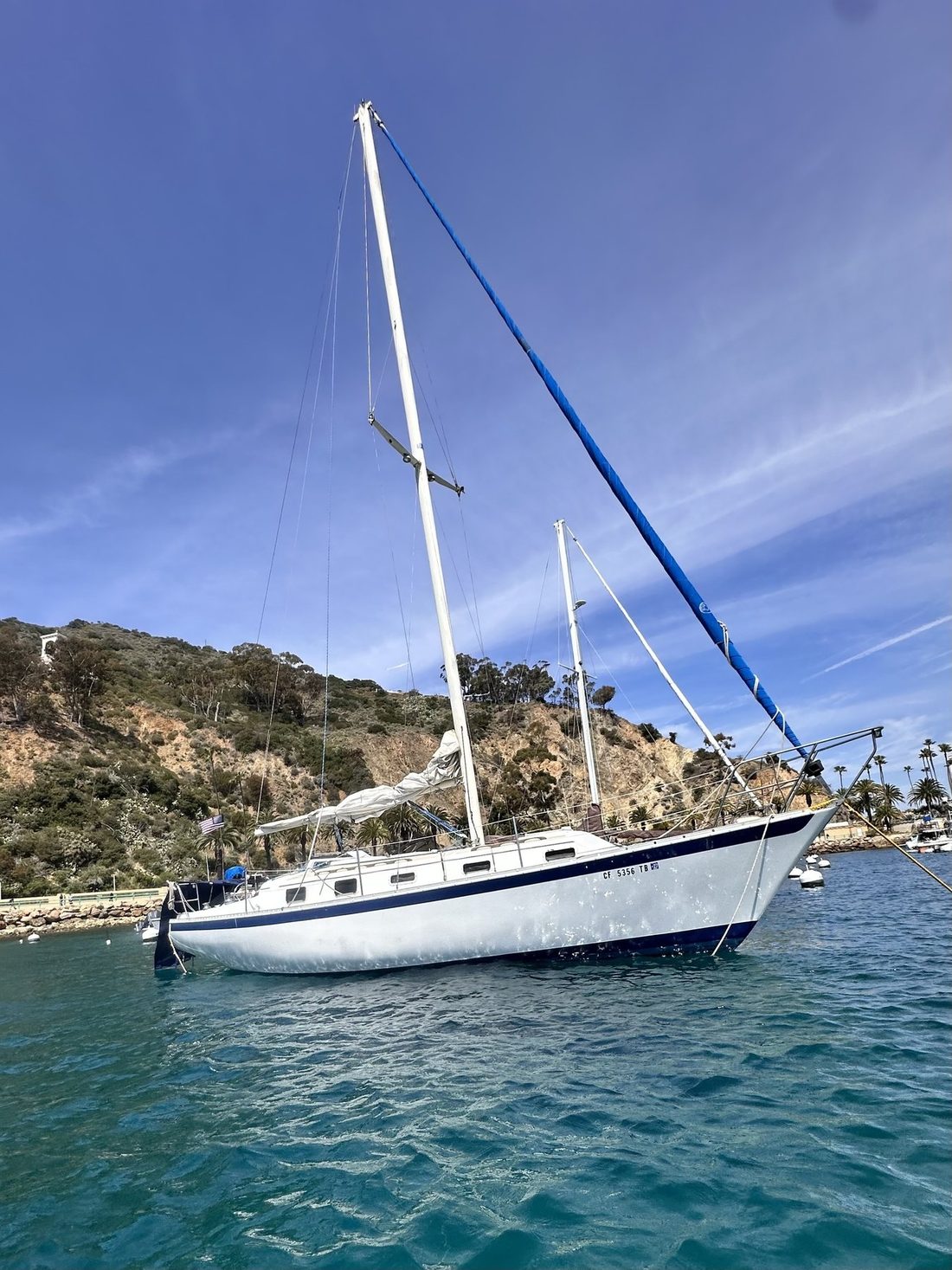
Here is the boat, honestly drawn.
The Irwin Citation 34 is a beamy, roomy, comfortable coastal cruiser from an economy builder at the top of its output, designed by a world-champion racer who understood exactly what he was drawing: not a racer, but a boat that would sail respectably, sleep six sociably, carry more water and waste capacity than her rivals, and sneak into four feet of water with the board up. She was built to a price, and the places where the price shows, screwed instead of bolted, cheap valves, missing washers, are all documented, all inspectable, and all fixable by an attentive owner. Her builder is gone; her support network is a one-man website, a set of forums, and owners like you.
Practical Sailor said she "offers a lot of basic boat, especially if bought at the right price," and would not send her offshore without considerable upgrading. Both halves of that sentence are the identity. Bought well, surveyed hard, and maintained on the schedules in this book, she is what she has always been: a generous, forgiving, shoal-capable coastal cruiser for people who understand her, and no one who doesn't should own her.
Glossary
- Ablative Paint
- A type of antifouling bottom paint that slowly wears away as the boat moves through the water, continuously exposing fresh biocide and shedding accumulated growth. Because it self-polishes, it leaves little paint buildup over the years, unlike hard modified-epoxy paints.
- Backing Plate
- A load-spreading plate (metal, thick fiberglass, or plywood) installed on the underside of a deck or hull fitting so the loads from a bolted item, such as a cleat or chainplate, are distributed over a wider area instead of concentrating at the bolt holes.
- Ballast
- Heavy material, usually lead or iron, placed low in the keel to lower the boat's center of gravity and provide the righting force that keeps a sailboat upright and counteracts the heeling force of the wind on the sails.
- Balsa Core
- A layer of lightweight end-grain balsa wood sandwiched between two skins of fiberglass to create a stiff, light composite panel used in decks and sometimes hulls. Its main vulnerability is water intrusion through unsealed fastener holes, which can rot the wood and delaminate the panel.
- Biocide
- A toxic agent, typically copper or a copper compound, added to antifouling bottom paint to discourage or kill the marine organisms (algae, barnacles, slime) that would otherwise grow on a submerged hull.
- Butyl Tape
- A soft, permanently pliable synthetic rubber sealing tape used as a bedding compound under deck hardware. It never fully cures, so it stays flexible and reusable, and it is favored for bedding fittings because it remains watertight yet allows the fitting to be removed later.
- Capsize Screening Formula
- A simple design ratio (beam divided by the cube root of displacement in cubic feet) used to gauge a boat's resistance to capsize. A value under 2.0 is generally considered acceptable for offshore use; higher numbers suggest a boat more easily knocked down.
- Centerboard
- A retractable fin that pivots or slides down through a slot in the hull to increase lateral resistance and reduce leeway when sailing, and retracts to reduce draft for shallow water or trailering. Distinct from a fixed keel, though some boats combine both.
- Chainplate
- A strong metal strap or fitting bolted to the hull or a structural bulkhead to which the standing rigging (shrouds and stays) attaches, transferring the enormous loads from the mast and rig into the boat's structure.
- Chainplates
- A strong metal strap or fitting bolted to the hull or a structural bulkhead to which the standing rigging (shrouds and stays) attaches, transferring the enormous loads from the mast and rig into the boat's structure.
- Compression Post
- A vertical structural member beneath a deck-stepped mast that carries the mast's downward compression load through the cabin to the keel or a floor structure, preventing the deck from sagging under rig loads.
- Cone Clutch
- A friction clutch using cone-shaped mating surfaces to transmit torque, used in some marine transmissions (such as certain Yanmar gearboxes) to engage forward and reverse drive smoothly.
- Crevice Corrosion
- A localized form of corrosion that attacks stainless steel in tight, oxygen-starved gaps, such as under fittings or inside swage terminals, where the protective oxide layer cannot renew itself. It is a common hidden failure mode in rigging and chainplates.
- Decompression Lever
- A manual lever on some diesel engines that holds the exhaust or intake valves open to relieve cylinder compression, making the engine easier to turn over by hand or starter when starting in cold conditions or when servicing.
- Dezincification
- A form of corrosion in which zinc is selectively leached out of a brass alloy, leaving behind a weak, porous copper structure. It is why ordinary brass gate valves are unsuitable below the waterline and why marine seacocks use dezincification-resistant bronze.
- Displacement
- The weight of water a boat displaces when floating, which equals the boat's total weight. It is a fundamental measure of a vessel's size and is used in many performance and stability ratios.
- E
- E, the mainsail foot length, measured along the boom from the aft face of the mast to the black band (the maximum outhaul point).
- Elci
- Equipment Leakage Circuit Interrupter, a ground-fault protection device required on shore-power connections that trips when it detects current leaking to ground, guarding against electrical shock and stray-current hazards in the water.
- Equalization
- A controlled overcharge of a flooded lead-acid battery bank to a higher-than-normal voltage, which remixes stratified electrolyte and dissolves sulfate buildup on the plates, restoring capacity. It is not used on sealed or AGM batteries.
- Fin Keel
- A relatively short, deep ballasted keel attached to the bottom of the hull, offering good upwind performance and maneuverability compared with a long full keel, at the cost of some directional stability and grounding robustness.
- Foretriangle
- The triangular area at the front of the rig bounded by the mast, the forestay, and the deck. Its dimensions (I and J) define the size of the jib or genoa and are used in sail area and rating calculations.
- Galvanic Isolator
- A device installed in the shore-power grounding conductor that blocks low-voltage galvanic DC currents between your boat and others sharing the dock ground, reducing corrosion of underwater metals, while still allowing AC fault current to pass safely.
- Gate Valve
- A valve that opens and closes by raising or lowering a wedge-shaped gate. Gate valves are generally unsuitable for below-waterline seacock service because they can fail hidden (the stem corrodes off the gate) and are often made of dezincification-prone brass.
- Gelcoat
- The pigmented resin outer layer of a fiberglass hull or deck that provides a smooth, glossy, waterproof finish and protects the underlying laminate from UV and water. It can craze, chalk, or blister with age.
- Heat Exchanger
- A component in a freshwater-cooled (indirect) engine cooling system where engine coolant is cooled by raw seawater flowing through a bundle of small tubes, transferring heat without the two fluids mixing, much like an automotive radiator cooled by water instead of air.
- Hull Speed
- The theoretical maximum efficient speed of a displacement hull, roughly 1.34 times the square root of the waterline length in feet, beyond which the boat must climb its own bow wave and required power rises steeply.
- Hull-To-Deck Joint
- The seam where the separately molded hull and deck are joined and fastened, typically bedded with sealant and through-bolted or riveted. A common source of leaks and structural concern as boats age.
- I
- I, the rig's foretriangle height, measured from the sheer (deck level) to the top of the forestay fitting.
- Impeller
- The flexible rubber, vaned rotor inside a raw-water pump that draws seawater through the engine's cooling system. Its vanes wear and can shear off, so it is a routine maintenance-replacement item; running the pump dry destroys it quickly.
- J
- J, the foretriangle base, measured horizontally along the deck from the front of the mast to the forestay's attachment at the bow.
- Keel Smile
- A crack in the hull-to-keel joint that curves in a smile shape, usually appearing at the leading edge of the keel joint. It indicates flexing or a grounding impact and signals that the keel bolts and joint should be inspected.
- Loos Gauge
- A hand-held tension gauge, made by Loos & Co., used to measure and set the correct tension in standing rigging wire by reading how much the wire deflects under a calibrated load.
- Marine Gear
- The transmission (gearbox) coupled to a marine engine that provides forward, neutral, and reverse, and usually a speed reduction between the engine and the propeller shaft. Also called a marine transmission.
- Mast
- The vertical spar that supports the sails and rigging. On the Citation 34 it is a masthead configuration, meaning the forestay runs to the very top of the mast.
- Masthead Sloop
- A single-masted sailboat whose forestay attaches at the top (masthead) of the mast, allowing a large foretriangle and headsail. This contrasts with a fractional rig, where the forestay attaches partway down the mast.
- Mixing Elbow
- A fitting at the engine's exhaust outlet where cooling raw water is injected into the hot exhaust gas, cooling the exhaust and carrying the water overboard. It is prone to internal carbon and salt buildup and corrosion, and is a common failure point requiring periodic replacement.
- Moisture Meter
- A handheld instrument that estimates the relative moisture content of a fiberglass laminate or cored panel by sensing its electrical properties. Surveyors use it to find wet deck core or hull areas, though readings are comparative and require experienced interpretation rather than giving an absolute wet/dry verdict.
- Moth
- A small, high-performance single-handed sailing dinghy class known for hydrofoiling; where the term appears in this book it most likely refers to that development class, though readers should note it may also be an editing artifact.
- Nmea 0183
- A marine electronics data standard that lets instruments such as GPS, depth sounders, and autopilots exchange information over serial connections using standardized text sentences. It is the older, slower predecessor to the NMEA 2000 network standard.
- Oem
- Original Equipment Manufacturer, referring to parts or components made by the company that supplied the original item, as opposed to aftermarket substitutes. OEM parts are specified to match factory fit and specification.
- Osmotic Blistering
- The formation of fluid-filled blisters in a fiberglass hull below the waterline when water gradually permeates the gelcoat and reacts with soluble compounds in the laminate, creating acidic fluid pockets. Often called boat pox, it is treated by drying, grinding, and re-laminating the affected areas.
- P
- P, the mainsail luff length, measured along the aft face of the mast between the black bands (the maximum hoist of the mainsail).
- Pedestal
- The vertical binnacle structure in the cockpit that supports the steering wheel, and typically the compass, engine controls, and steering gear. The helmsman stands or sits behind it.
- Pennant
- A short length of line or wire used as an extension or connector, such as a halyard pennant that adds length aloft or a tack pennant that raises a sail's tack above the deck. (Not to be confused with a signal flag of similar spelling.)
- Phrf
- Performance Handicap Racing Fleet, a widely used North American handicapping system that assigns each boat a rating in seconds per mile so that dissimilar boats can race fairly by correcting elapsed times.
- Polysulfide
- A durable, flexible synthetic-rubber marine sealant used for bedding hardware and sealing seams. It adheres well and tolerates movement, but it should not be used on most plastics (such as acrylic ports) because it can attack them.
- Practical Sailor
- An independent sailboat and gear review publication, cited throughout this book as a primary source.
- Prop Walk
- The sideways thrust a spinning propeller imparts to the stern, most noticeable in reverse, causing the stern to swing to one side. Skippers learn to anticipate and use this predictable effect when maneuvering in close quarters.
- Radial Drive
- A steering system in which the wheel turns a large radial drive wheel (a grooved disc) that pulls steering cables or chain running to the rudder quadrant, giving direct, responsive wheel steering.
- Raw Water
- The seawater (or lake water) drawn from outside the boat and pumped through the engine's cooling system or heat exchanger, as opposed to the enclosed freshwater coolant. Also the untreated water fed to a watermaker.
- Reduction Gear
- The gearing within a marine transmission that reduces the propeller shaft speed relative to engine speed, allowing the engine to run efficiently while turning a larger, slower, more efficient propeller.
- Saildrive
- A propulsion system in which the engine drives the propeller through a leg that passes straight down through the hull, similar to the lower unit of an outboard, rather than through a conventional angled shaft and stern gland.
- Seacock
- A robust shutoff valve mounted on a through-hull fitting that allows a below-waterline opening (for cooling water intake, drains, or heads) to be closed, isolating the boat's interior from the sea. Marine seacocks are made of corrosion-resistant bronze or reinforced polymer.
- Signal K
- An open-source, modern marine data standard and format that represents boat sensor data as structured JSON, designed to integrate diverse instruments and share data with apps, displays, and the cloud over standard networking.
- Sloop
- A sailboat with a single mast carrying one mainsail and one headsail (jib or genoa). It is the most common modern sailboat rig, valued for simplicity and good upwind performance.
- Spreaders
- Horizontal struts projecting from the mast that hold the upper shrouds outboard, changing their angle to the mast so they better resist the mast's tendency to bend or buckle under rig loads. Also called crosstrees.
- Stanchions
- The vertical metal posts bolted along the deck edge that support the lifelines, forming a protective railing around the deck to help keep crew aboard.
- Standing Rigging
- The fixed wires or rods (shrouds and stays) that hold the mast up and in position. Unlike running rigging, it is not routinely adjusted while sailing and is a critical structural system with a finite service life.
- Swage
- A wire terminal fitting attached by compressing (swaging) a metal sleeve tightly onto the end of a wire rope under high pressure. Swage terminals are common on standing rigging but can develop cracks or crevice corrosion over time.
- Tender
- A small boat, such as a dinghy or inflatable, used to ferry people and gear between a moored or anchored boat and the shore. As an adjective, tender also describes a boat that heels easily.
- Through-Bolt
- To fasten a fitting with a bolt that passes completely through the deck or hull and is secured with a nut and washer (or backing plate) on the far side, giving far greater strength than a screw threaded into the laminate.
- Toe Rail
- The low rail, of aluminum or wood, running along the outer edge of the deck. It gives footing when the boat heels, helps keep gear and crew aboard, and often provides attachment points for blocks and fenders.
- Valve Clearance
- The small specified gap in the valve train of a diesel engine between the rocker arm and valve stem (or lash) that ensures valves close fully when hot. It must be checked and adjusted periodically, as incorrect clearance causes hard starting, poor running, or valve damage.
- Vented Loop
- A plumbing device installed above the waterline with an air valve at its top that prevents siphoning, stopping seawater from back-flowing into the boat through the engine, head, or other below-waterline systems. Also called an anti-siphon loop.
- Y-Valve
- A Y-shaped diverter valve with one inlet and two selectable outlets, commonly used in a marine head's plumbing to direct waste either to a holding tank or overboard.
- Yanmar
- A Japanese manufacturer of marine diesel engines; the standard auxiliary engines fitted to the Citation 34.
- Zinc
- The common name for a sacrificial anode, a block of zinc bolted to underwater metal that corrodes preferentially to protect propellers, shafts, and other metals from galvanic corrosion. (Also the metal leached out during dezincification of brass.)
- Zinc Anode
- A sacrificial block of zinc attached to underwater metal parts that corrodes in place of them, protecting propellers, shafts, and fittings from galvanic corrosion. It must be inspected and replaced before it is fully consumed.