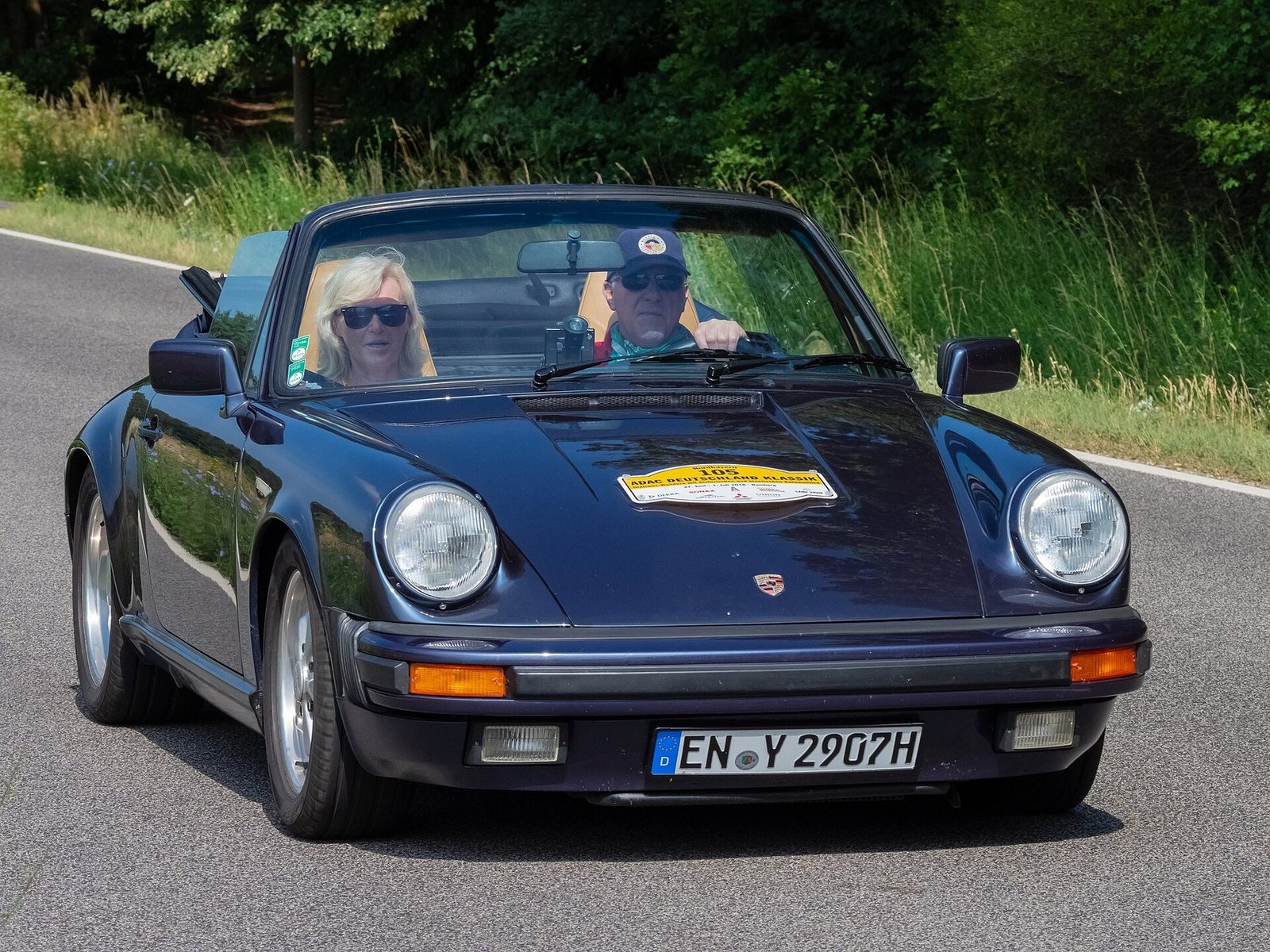
Porsche 911
About This Book
This is an owner's reference for the impact-bumper air-cooled Porsche 911, the G-Series cars of the 1974 through 1989 model years. It is written for the person about to buy one, for the person already living with one, and for the person still saving. These cars share a silhouette and remarkably little else, so where the model years disagree with each other, and where the published sources disagree about the model years, this book says so plainly rather than averaging the difference away.
1.1 What the G-Series actually is
The subject is the second generation of the 911: the car with the bellows bumpers. Series production began after the summer holidays in August 1973 for the 1974 model year, and the generation ran to the end of the 1989 financial year, the close of what Porsche internally called the K programme (source: newsroom.porsche.com/en/press-kits/60-Years-Porsche-911/2.-Generation-911,-(G-Serie),-1973---1989.html).
It looks the way it does because of American legislation. The defining change for 1974 was a new set of impact bumpers with plastic bellows-style telescopic ends, meeting strict United States crash regulations and absorbing impacts at up to 5 miles per hour without body damage (source: newsroom.porsche.com/en/press-kits/60-Years-Porsche-911/2.-Generation-911,-(G-Serie),-1973---1989.html). That single requirement gave the 911 the face it wore for the next sixteen model years.
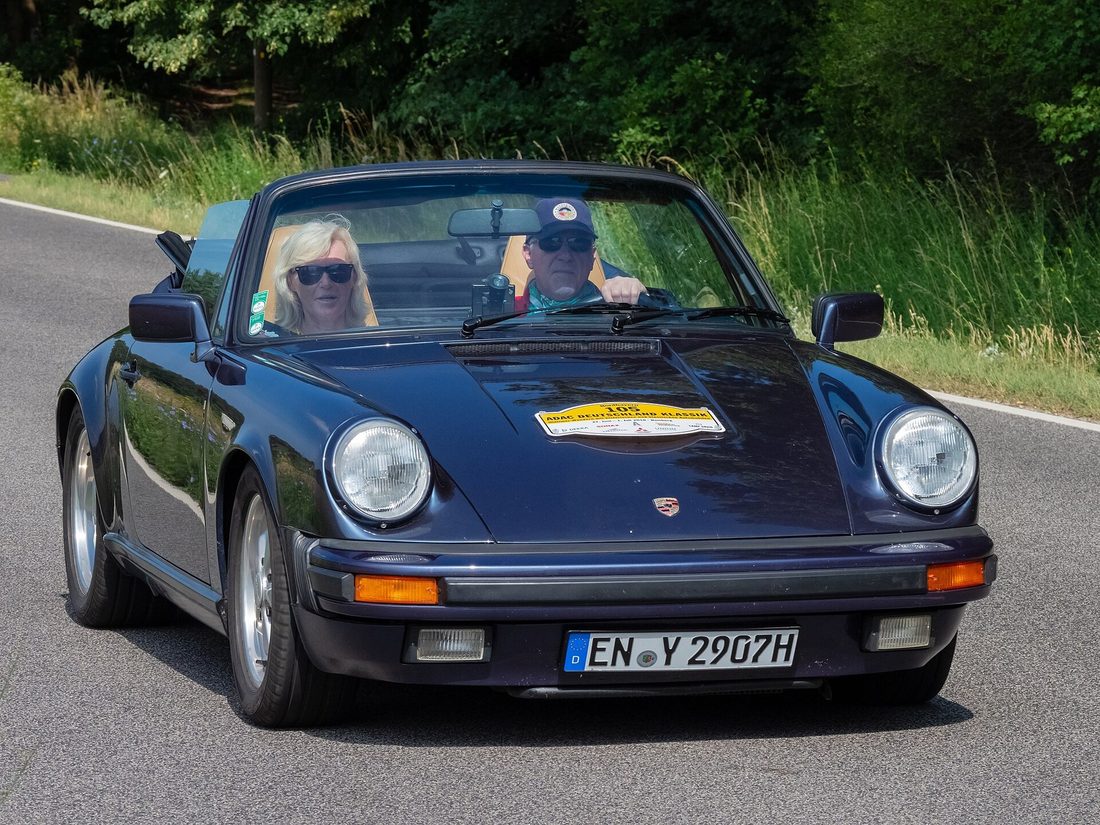
Here is the fact that shapes this entire book. The G-Series is not one car. It is a family of quite different machines under one body, and the differences are mechanical rather than cosmetic. The 1974 to 1977 cars carry a 2,687 cc engine in a magnesium crankcase. The European Carrera 3.0 of 1976 introduced a die-cast aluminium case that then carried the 911 SC and the 3.2 Carrera all the way to 1989 (source: tremotorsports.com/new-blog-1/2017/8/6/the-magnesium-engine-block-in-your-porsche-911). The SC of 1978 to 1983 standardised a 2,994 cc engine worldwide. The Carrera 3.2 of 1984 to 1989 brought 3,164 cc, Bosch Motronic engine management and pressure-fed timing chain tensioners (source: stuttcars.com/porsche-911-carrera-3-2-1984-1989/). Alongside all of them, on its own development track, ran the 930 Turbo, 3.0 litres from 1975 and 3.3 from 1978, with its own brakes, its own gearbox and its own list of faults (source: en.wikipedia.org/wiki/Porsche_911_(930)).
Between those cars the shell changed its corrosion protection, the engine changed its case material, its displacement, its head studs, its chain tensioners and its fuel and ignition management, and the gearbox was replaced outright. A 1974 2.7, a 1980 SC, a 1987 Carrera 3.2 and a 930 Turbo are four meaningfully different cars wearing one outline.
One correction worth making at the very start, because it appears constantly in classified adverts: no G-Series 911 left the factory with carburettors. From the 1974 model year the 911 and 911S ran Bosch K-Jetronic continuous injection, and the European Carrera 2.7 carried over Bosch mechanical injection (source: supercarnostalgia.com/blog/porsche-911-g-h-series-1974-1975). Carburettors on one of these cars mean a modification, usually somebody's escape from a fuel system they did not want to fix.
1.2 Why identification matters unusually much here
On most classics, getting the year slightly wrong costs you a trim detail. On this one it can cost you an engine.
The single most common factual error made about these cars is transplanting the 2.7 litre engine's problems onto the 911 SC or the Carrera 3.2, where they either do not apply at all or apply in a much milder form. The reverse error is just as expensive: reassuring yourself about a 1975 car with advice that is perfectly true of a 1987 one. Almost every piece of bad advice you will read about a G-Series 911 is an accurate statement about a different model year.
Two questions decide most purchases, and both are answered by identification rather than by negotiation.
The first is the timing chain tensioner. The old sealed mechanical spring-loaded tensioners are almost guaranteed to fail eventually (source: pelicanparts.com/techarticles/101_Projects_Porsche_911/16-Carrera_Chain_Tensioner_Install/16-Carrera_Chain_Tensioner_Install.htm), and when one lets go the chain does not simply rattle. Porsche fixed it in production for 1984 with pressure-fed units, after which the subject effectively disappeared (source: rennlist.com/forums/911-forum/116937-oil-fed-tensioners.html). So on any pre-1984 car, one of the first things you establish is whether the retrofit has been done. Chapter 4 treats this first, ahead of everything else, and Chapter 7 explains the job.
The second is which crankcase the engine has, magnesium or aluminium, because that answer sets the risk of the generation's signature failure, the cylinder head stud pulling out of the case. Chapter 4 gives the mechanism, the inspection and the money. For now it is enough to know that the question is settled by the model year and by the engine type number stamped on the case, and that Porsche Classic now manufactures new magnesium crankcases for the early cars (source: newsroom.porsche.com/en_US/2023/products/porsche-classic-new-magnesium-crankcases-for-early-911-31513.html), which tells you something about the original.
1.3 What this book is
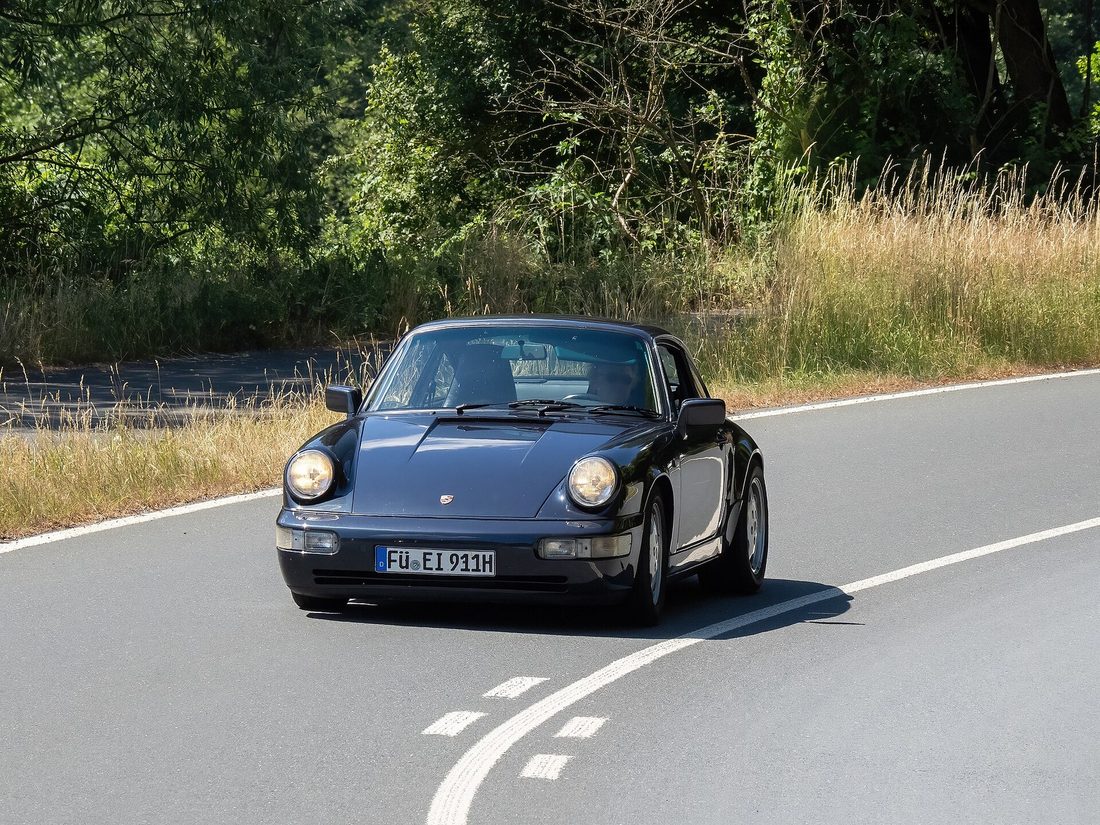
This is a pre-purchase and ownership reference for every naturally aspirated G-Series variant and for the 930 Turbo, in coupe, Targa, Cabriolet and Speedster form. It exists to help you work out what is actually in front of you, judge its condition honestly, keep it properly, and find the parts and the people you will need.
It cites as it goes, in line, so you can see whether you are reading a factory figure, a specialist's published experience or a well-supported owner report. Where a claim rests on a single account, the book says so instead of dressing it up as settled fact. Where a figure could not be established from the sources consulted, it says that too, rather than filling the hole with a plausible number.
1.4 What this book is not
It is not a factory workshop manual and does not replace one. Torque figures, clearances and test values appear here so that you can recognise a wrong number when a shop quotes you one, but the manual for your specific variant and market is the tiebreaker, and it outranks everything in these pages. That matters more than usual on this car, because harnesses, emissions equipment and engine tunes differ between European, 49-state American, California and Japanese specification, sometimes within a single model year.
It is not a modification guide either. The aftermarket appears where it solves a real problem, the pressure-fed tensioner retrofit being the obvious example, but on a car whose value now rests heavily on originality and documentation, a swap is a decision to make with open eyes.
And it is not Porsche marketing. These cars have specific, expensive, well-known weaknesses, and they are set out here in detail. Knowing them is what separates an owner from a victim.
1.5 Who this book is for
If you are shopping, read Chapter 4 before you look at a single car, and arrange a proper pre-purchase inspection before you agree a price. On this generation the inspection is the purchase decision.
If you already own one, this is a glovebox reference for when an oil service falls due, a noise appears at cold start, or a forum thread frightens you at two in the morning. If you are still saving, read it anyway. The parts and knowledge situation for these cars is close to the best in the classic world, largely because more than two thirds of all the Porsche vehicles ever built are still on the road today (source: porsche.com/usa/accessoriesandservice/classic/originalpartscatalogue/), and that changes what ownership costs.
1.6 How this book is organized
Chapter 2 covers the history and the identity of the car: why it looks as it does, what genuinely changed year by year, the variants and special editions, and a six-step routine for pinning down the car in front of you. Chapter 3 collects the specifications, with the disagreements between publishers left visible. Chapter 4 is the long one, a fault-by-fault survey of what goes wrong, ordered by what it costs you, ending in a full pre-purchase inspection checklist. Chapter 5 takes the engines one at a time with their real outputs by market, then treats the dry-sump oil system at length. Chapter 6 works through the car by system: electrical, fuel and injection, cooling and oil cooling, heating, brakes, suspension and steering. Chapter 7 is the service programme, which on this generation is four schedules rather than one. Chapter 8 maps the parts supply, and Chapter 9 points you at the forums, clubs, registries and specialists who hold the knowledge. Terms flagged on first use are defined in the glossary. Each chapter stands alone, so read them in whatever order your problem demands.
1.7 On sources, and on disagreement
This car is unusually badly served by settled fact, and it is better to show that now than to have later hedging read as vagueness.
Start with how many were built. Porsche's own newsroom gives 196,397 G-Series cars (source: newsroom.porsche.com/en/press-kits/60-Years-Porsche-911/2.-Generation-911,-(G-Serie),-1973---1989.html). A widely read specialist hub instead claims "345,000+ units" across all variants (source: stuttcars.com/porsche-911-g-series-2nd-generation-research-hub/), a figure that contradicts that same site's own year-by-year tables. This book uses the factory number, and tells you why.
Then the model-year letter codes. Porsche's newsroom steps the sequence so that 1976 is the J-Series and 1977 the K-Series (source: newsroom.porsche.com/en/press-kits/60-Years-Porsche-911/2.-Generation-911,-(G-Serie),-1973---1989.html), while specialist references give 1976 as I, 1977 as J, 1978 as K and 1979 as L (source: supercarnostalgia.com/blog/porsche-911-i-j-series-1976-1977; source: supercarnostalgia.com/blog/porsche-911-sc). This book therefore leads with model years and treats letter codes as secondary, because the conventions genuinely differ and a seller quoting one convention at a buyer reading the other is a real source of confusion.
Then galvanising, which decides how you approach a car's shell. One factory press source dates hot-dip galvanised body and floor panels to 1975 (source: presskit.porsche.de/specials/en/porsche-1mio-911/topic/the-innovations-of-the-911/id-1975-galvanised-body.html), while two independent references date the galvanised shell to the 1976 model year (source: supercarnostalgia.com/blog/porsche-911-i-j-series-1976-1977; source: pca.org/news/model-guide-air-cooled-911s-on-a-budget-1974-1977). The warranty that backed the process is given as seven years for the 1981 cars (source: supercarnostalgia.com/blog/porsche-911-sc) and as eventually reaching ten (source: stuttcars.com/porsche-911-g-series-2nd-generation-research-hub/). The book reports the disagreement, names the better-supported reading, and then gives you the practical consequence, which every source agrees on anyway.
One warning belongs here rather than in a later chapter, because it saves money immediately. Online valuation aggregators can carry corrupt records. classic.com's averages for this generation rest on a data set that includes a claimed $22,311,000 sale of a 1989 Porsche 911 Carrera on 10 January 2026 (source: classic.com/m/porsche/911/g-body/carrera-32/coupe/). A single record of that size drags an average a very long way upward, and the resulting figure will be quoted at you by a hopeful seller. This book anchors on dated individual results and condition-rated valuations instead, and Chapter 9 shows the method.
1.8 A word on voice
This book is written by people who like these cars and does not pretend otherwise. But affection without honesty is advertising, and you deserve better than advertising when you are about to spend serious money and serious weekends on a machine of this age.
So the tone here is warm and direct. It will tell you when a noise is normal, when it means the wallet is about to open, and when the right answer is to walk away from something beautiful in exactly the right colour. The G-Series is the 911 that kept the 911 alive through sixteen model years of emissions rules, crash rules and one very bad oil crisis. The only decent way to honour that is to be straight about what living with one involves.
History and Identity
The G-Series 911 exists because the United States decided that a car should survive a low-speed shunt without damage, and Porsche answered with the bellows bumpers that gave this generation its face. What started as a stopgap for a model the company half expected to discontinue ran sixteen model years, grew from 2.7 to 3.3 litres, and became the volume air-cooled 911. This chapter sets out why the car looks the way it does, what genuinely changed across the run, and how to pin down which G-Series you are standing in front of.
2.1 The car Porsche did not plan to keep
Series production of the second-generation 911 began after the summer holidays, in August 1973, for the 1974 model year, and the generation ran to the end of the 1989 financial year, the close of what Porsche internally called the K programme (source: newsroom.porsche.com/en/press-kits/60-Years-Porsche-911/2.-Generation-911,-(G-Serie),-1973---1989.html).
The defining change for 1974 was a new set of impact bumpers with plastic bellows-style telescopic ends, which met strict United States crash regulations and could absorb impacts at up to 5 miles per hour without body damage (source: newsroom.porsche.com/en/press-kits/60-Years-Porsche-911/2.-Generation-911,-(G-Serie),-1973---1989.html). The redesign brought large aluminium bumpers integrated into the bodywork, with redesigned fenders and a redesigned front hood (source: pca.org/news/model-guide-air-cooled-911s-on-a-budget-1974-1977). They were integrated so successfully that they defined the car's shape for the next decade and a half (source: en.wikipedia.org/wiki/Porsche_911_(classic)).
The shape belongs to Anatole Lapine, the Riga-born designer who had succeeded Ferdinand Alexander "Butzi" Porsche as Porsche's chief designer. Butzi had drawn the original 901 that became the 911 (source: en.wikipedia.org/wiki/Porsche_911; source: classicandsportscar.com/news/obituaries/bye-bye-butzi-%E2%80%93-porsche-911-designer-dies). Lapine designed the bellows and impact-absorbing surfaces for the American version, put the bumpers behind those distinctive accordion covers, and refreshed the car with a black-on-body-colour trim style (source: newsroom.porsche.com/en/products/one-icon-four-designers-10714.html).
Lapine is also the man most associated with the Porsche 928, a project undertaken because of the real possibility that future American legislation would end the 911 in that market (source: newsroom.porsche.com/en/products/one-icon-four-designers-10714.html; source: en.wikipedia.org/wiki/Anatole_Lapine). That is the central tension of the whole generation: the G-Series was federalised as a bridge to a car the company partly expected to replace it, and it outlived its intended successor. The commercial timing was miserable too. The launch coincided with the oil crisis of autumn 1973, which hit Porsche hard (source: newsroom.porsche.com/en/press-kits/60-Years-Porsche-911/2.-Generation-911,-(G-Serie),-1973---1989.html).
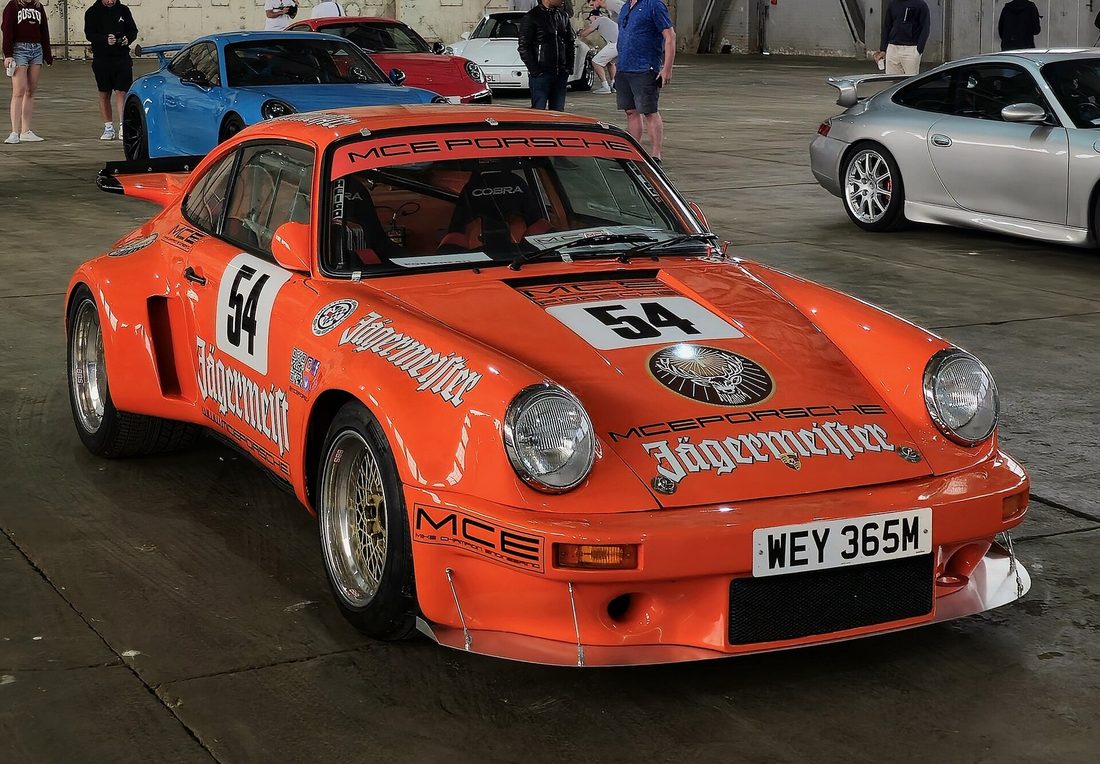
2.2 How many, and why the numbers fight
Total generation output is given by the factory as 196,397 G-Series cars (source: newsroom.porsche.com/en/press-kits/60-Years-Porsche-911/2.-Generation-911,-(G-Serie),-1973---1989.html). That is the figure to work from.
You will meet a much larger one. A specialist research hub claims "345,000+ units" across all variants (source: stuttcars.com/porsche-911-g-series-2nd-generation-research-hub/), but that number contradicts the same site's own year-by-year tables, which do not come close to supporting it. Where a publisher's headline disagrees with its own arithmetic, and the factory disagrees with both, take the factory.
The pattern repeats further down. Model-by-model totals get their own section later in this chapter, and several of them are genuinely unsettled.
2.3 Model years, letter codes and the paperwork that settles arguments
Strictly speaking, the "G-Series" name applies only to the 1974 model year. Porsche stepped an internal letter code through each subsequent year, so 1975 became the H-Series and the sequence continued from there (source: newsroom.porsche.com/en/press-kits/60-Years-Porsche-911/2.-Generation-911,-(G-Serie),-1973---1989.html). Enthusiasts then borrowed the first letter for the whole run, which is how a sixteen-year generation ended up named after one model year.
Here is the trap. Porsche's own newsroom gives J for 1976 and K for 1977 (source: newsroom.porsche.com/en/press-kits/60-Years-Porsche-911/2.-Generation-911,-(G-Serie),-1973---1989.html), while specialist references run I for 1976, J for 1977, K for 1978 and L for 1979 (source: supercarnostalgia.com/blog/porsche-911-i-j-series-1976-1977; source: supercarnostalgia.com/blog/porsche-911-sc). Those two conventions are one letter out of step with each other across the middle of the run, and there is no way to reconcile them from the published record. Our recommendation for the rest of this book, and for your own notes, is simple: work in model years. Say "a 1980 SC", not "an A-Series", and when a seller or a forum post uses a letter code, ask which year they mean. The letter is decoration; the model year is what determines the engine, the case material, the fuel system, the gearbox and the parts you will be buying.
Porsche's works organisation appears in the sources used for this book as a service channel rather than a production geography: a factory tuning kit for the 1979 car, for instance, came through Werk 1 (source: supercarnostalgia.com/blog/porsche-911-sc). These sources do not establish a plant-by-plant or bodyshell-supplier breakdown for the G-Series, and it would be wrong to invent one.
What you can get is the individual car's own record. Porsche AG issues a Certificate of Authenticity listing a car's complete factory specification including all option codes, requested against the VIN, and where the build sticker has gone a Porsche Centre can retrieve the build data from the factory database (source: porschehangout.com/porsche-tools/porsche-option-code-decoder/). Porsche Classic separately supplies original production specification documents covering equipment, colours, engine type and original pricing (source: porsche.com/usa/accessoriesandservice/classic/). On the car itself, the most reliable place to find the factory M-code list on a 1974 to 1989 model is the page of codes inside the service booklet, with a sticker also commonly found on the floor of the front luggage compartment (source: porschehangout.com/porsche-tools/porsche-option-code-decoder/).
One caution from owners who have been through it: the certificate is authoritative but not always self-explanatory. A 1986 car came back reading only "Sports equipment" when the purchase data said "Turbo look", and Porsche re-issued it as "Sports Equipment including Turbo Look kit" only after the owner queried it (source: porscheclubgb.com/forum/threads/authenticity-certificate.98517/).
2.4 The galvanised shell, and a warranty nobody quite agrees on
The single most important engineering decision of this generation, for anyone buying one now, was not made in the engine bay. Porsche began protecting the body and floor panels with hot-dip galvanised sheet steel, and the 911 became the first series production car with a body hot-dip galvanised on both sides (source: presskit.porsche.de/specials/en/porsche-1mio-911/topic/the-innovations-of-the-911/id-1975-galvanised-body.html).
The date is disputed. Porsche's own press material puts the start at 1975 (source: presskit.porsche.de/specials/en/porsche-1mio-911/topic/the-innovations-of-the-911/id-1975-galvanised-body.html), and one specialist hub agrees that all G-Series models had galvanised bodies from 1975 (source: stuttcars.com/porsche-911-g-series-2nd-generation-research-hub/). Against that, two independent references date the change to the 1976 model year (source: supercarnostalgia.com/blog/porsche-911-i-j-series-1976-1977; source: pca.org/news/model-guide-air-cooled-911s-on-a-budget-1974-1977). The likely explanation is that the rollout was staged: one account has the full shell except the roof galvanised in 1976 and the whole vehicle following in 1977 (source: 9werks.co.uk/articles/how-to-check-a-porsche-911-for-corrosion).
Sources agree on the outcome even where they disagree on the calendar: 1974 and 1975 cars rust heavily, and 1976 and later cars are markedly better (source: thestable.cc/driving-experiences-blog/buying-a-g-series-porsche-911). Treat 1976 as the practical dividing line, and treat a 1975 car as unprotected unless its own paperwork says otherwise.
The warranty has the same problem. Porsche backed the process commercially with a six-year corrosion warranty, extended to seven years for the 1981 model year and eventually to as much as ten (source: stuttcars.com/porsche-911-g-series-2nd-generation-research-hub/; source: presskit.porsche.de/specials/en/porsche-1mio-911/topic/the-innovations-of-the-911/id-1975-galvanised-body.html). The seven-year figure is specifically attached to the 1981 cars (source: supercarnostalgia.com/blog/porsche-911-sc), while the ten-year perforation warranty is cited as arriving with the 1986 model year (source: prestigeandperformancecar.com/porsche/porsche-911-3-2-carrera-model-guide). The 1976 warranty as written covered the integrity and freedom from rust damage of the basic chassis unit, and did not include the fenders (source: 912bbs.org/forum/threads/galvanized-bodies-redux.7318). So "seven years" and "ten years" are both true, of different years, and neither ever meant the whole car.
None of it makes a fifty-year-old shell immune. Zinc coating extends the time a panel survives water exposure, it does not stop the process, and the 911 shell is a fairly open structure whose body joints, especially inside the wheel arches, take direct road spray (source: 9werks.co.uk/articles/how-to-check-a-porsche-911-for-corrosion).
2.5 The engines: 2.7, 3.0, 3.2
The 2.7, 1974 to 1977. Every car in the new generation launched with 2.7 litres (source: newsroom.porsche.com/en/press-kits/60-Years-Porsche-911/2.-Generation-911,-(G-Serie),-1973---1989.html). Displacement came up from 2.4 by taking the bore from 84 mm to 90 mm with the stroke unchanged at 70.4 mm, for 2,687 cc (source: supercarnostalgia.com/blog/porsche-911-g-h-series-1974-1975).
Settle one myth immediately: no G-Series 911 left the factory with carburettors. From the 1974 model year the base and S cars ran Bosch K-Jetronic Continuous Injection System at 150 and 175 PS, while the European Carrera 2.7 kept the earlier Bosch mechanical injection pump at 210 PS (source: en.wikipedia.org/wiki/Porsche_911_(classic)). A carburetted G-Series car is a modified car, with the emissions and inspection consequences that implies. For 1974 the three engines were the 150 bhp type 911/92, the 175 bhp 911S type 911/93, and the 210 bhp Carrera type 911/83 on mechanical injection; American Carreras could not meet Federal standards on mechanical injection and received the 175 bhp 911S engine instead (source: supercarnostalgia.com/blog/porsche-911-g-h-series-1974-1975).
The 2.7 is also this generation's structural weak point, and the reason is the magnesium crankcase. The case was weakened by the higher heat generated to meet emissions law, and cylinder head studs pulled out of it, causing oil and compression leaks; cases warped, sometimes badly enough to stop the crankshaft turning, and many owners fitted used 3.0-litre SC engines instead (source: pca.org/news/model-guide-air-cooled-911s-on-a-budget-1974-1977). Porsche has since put new magnesium crankcase halves back into limited production for 1968 to 1976 engines (source: theautopian.com/porsche-magnesium-case-halves/), which is a factory confirming a fifty-year-old problem. Properly rebuilt, these engines can be reliable (source: pca.org/news/model-guide-air-cooled-911s-on-a-budget-1974-1977).
Emissions splintered the range along the way. For 1975 the American 911S was 165 bhp in 49-state form and 160 bhp in California trim with thermal reactors and exhaust gas recirculation (source: supercarnostalgia.com/blog/porsche-911-g-h-series-1974-1975). For 1976 the 2.7 became a single 165 bhp tune, leaving only 10 hp between 911 and 911S, and in the United States only the 911S remained in the mainstream line with the Turbo above it (source: stuttcars.com/porsche-911-2-7-1974-1977/; source: pca.org/news/model-guide-air-cooled-911s-on-a-budget-1974-1977).
Carrera 3.0, 1976 to 1977. The naturally aspirated 3.0 arrived in the Carrera 3.0, a 2,994 cc engine (type 930/02, or 930/12 with Sportomatic) derived from the Turbo unit, with domed pistons raising compression from the Turbo's 6.5:1 to 8.5:1 for 200 PS (197 bhp) at 6,000 rpm and 188 lb-ft at 4,200 rpm (source: supercarnostalgia.com/blog/porsche-911-i-j-series-1976-1977). Mechanically the important part is that it used the same die-cast aluminium crankcase as the new 930 Turbo (source: stuttcars.com/porsche-911-carrera-3-0-1976-1977), so it is the earliest impact-bumper 911 that sidesteps the magnesium-case argument entirely. It was a European model, kept out of North America by emissions rules (source: stuttcars.com/porsche-911-carrera-3-0-1976-1977; source: pca.org/news/porsche-911-carrera-3-liter-model-guide).
911 SC, 1978 to 1983. The SC put the aluminium case into the mainstream car and made the 3.0 the single worldwide engine: type 930/03, 2,994 cc, 180 bhp at 5,500 rpm on 8.5:1 compression, at 1,160 kg for the coupe and 1,210 kg for the Targa (source: supercarnostalgia.com/blog/porsche-911-sc). Power then climbed for markets outside the United States, to 188 bhp on 8.6:1 for 1980 (type 930/09) and to 204 bhp at 5,900 rpm on 9.8:1 for 1981 (type 930/10), while American cars stayed at 180 bhp with a three-way catalyst and Lambda sensor (source: supercarnostalgia.com/blog/porsche-911-sc; source: elferspot.com/en/magazine/the-porsche-911-sc-buyers-guide-allegedly-the-last-911er). From 1980 electric windows and air conditioning were mandatory on American cars (source: supercarnostalgia.com/blog/porsche-911-sc).
Carrera 3.2, 1984 to 1989. The 3.2 is the definitive G-Series engine. It displaced 3,164 cc by keeping the SC's 95 mm bore and adopting the 74.4 mm stroke crankshaft from the 1978 Turbo 3.3, with 10.3:1 compression for the European type 930/20 and 9.5:1 for the North American 930/21 (source: supercarnostalgia.com/blog/porsche-911-carrera-1984-1989; source: stuttcars.com/porsche-911-carrera-3-2-1984-1989/). Fuelling and ignition came under a single Bosch Motronic DME, the first unified injection and ignition control on the 911, alongside hydraulic timing chain tensioners, an improved oil cooler and overrun fuel cutoff (source: stuttcars.com/porsche-911-carrera-3-2-1984-1989/). One account describes the engine as roughly 80 percent new components (source: stuttcars.com/porsche-911-g-series-2nd-generation-research-hub/). Output was 231 bhp at 5,900 rpm and 209 lb-ft in Europe against 207 hp and 192 lb-ft in North America, rising to 217 hp and 195 lb-ft for 1987 on the remapped type 930/25 (source: stuttcars.com/porsche-911carrera-3-2-1984-1989-specifications-performance/; source: supercarnostalgia.com/blog/porsche-911-carrera-1984-1989).
2.6 The Turbo, on its own track
The 911 Turbo was introduced in 1974 with a turbocharger, a wide rear end and a rear spoiler (source: newsroom.porsche.com/en/press-kits/60-Years-Porsche-911/2.-Generation-911,-(G-Serie),-1973---1989.html), and from then on it developed alongside the naturally aspirated cars rather than in step with them.
The 3.0-litre 930 Turbo of 1975 to 1977, type 930/50, was 2,994 cc on a 95 mm bore and 70.4 mm stroke at a deliberately low 6.5:1 compression, rated 260 PS (256 hp) at 5,500 rpm and 329 Nm (243 lb-ft) at 4,000 rpm (source: en.wikipedia.org/wiki/Porsche_911_(930)). North American cars are given as 245 hp against 260 for the rest of the world (source: 930-turbo.com/specs/), although the American figure also appears in the literature as 234 hp, so check it against the specific year and certification (source: en.wikipedia.org/wiki/Porsche_930). Just 284 cars were built for 1975, all left-hand drive (source: stuttcars.com/porsche-911-turbo-3-0-930/).
For 1978 the bore went out 2 mm to 97 x 74.4 mm for 3,299 cc, compression rose to 7.0:1, and a larger, lighter KKK K27 turbocharger and an air-to-air intercooler replaced the earlier water-to-air arrangement, for 300 PS (296 hp) and 412 Nm (304 lb-ft), making this the first production car with an air-to-air intercooler, and brakes went to 917-derived cross-drilled discs with four-piston alloy calipers (source: en.wikipedia.org/wiki/Porsche_911_(930); source: supercarnostalgia.com/blog/porsche-930-33).
Then it left America. With emissions tightening for 1980, 1979 was the last model year the 930 was specified for the United States until 1986, and 1980 output fell to 840 cars as American and Japanese sales stopped (source: en.wikipedia.org/wiki/Porsche_911_(930); source: supercarnostalgia.com/blog/porsche-930-33). Porsche's reasoning was that a catalytic converter under the new rules would rob the engine of meaningful power (source: pca.org/news/model-guide-porsche-911-turbo-1976-2013). The car came back for 1986 as type 930/68 with Bosch LE-Jetronic, a three-way catalyst, Lambda sensors and DME, at 282 hp (source: supercarnostalgia.com/blog/porsche-930-33; source: en.wikipedia.org/wiki/Porsche_911_(930)), although one secondary account gives 278 hp for the returning engine (source: renndriver.com/guides/porsche-930-turbo/).
For 1987 the 930 was offered in Targa and Cabriolet alongside the Coupe, and the Exclusive options programme began, including the M505 Turbo S Flachbau flat-nose package at 330 bhp (source: supercarnostalgia.com/blog/porsche-930-33). Flachbau production is given as 948 cars in total, 160 of them American (source: en.wikipedia.org/wiki/Porsche_911_(930)).
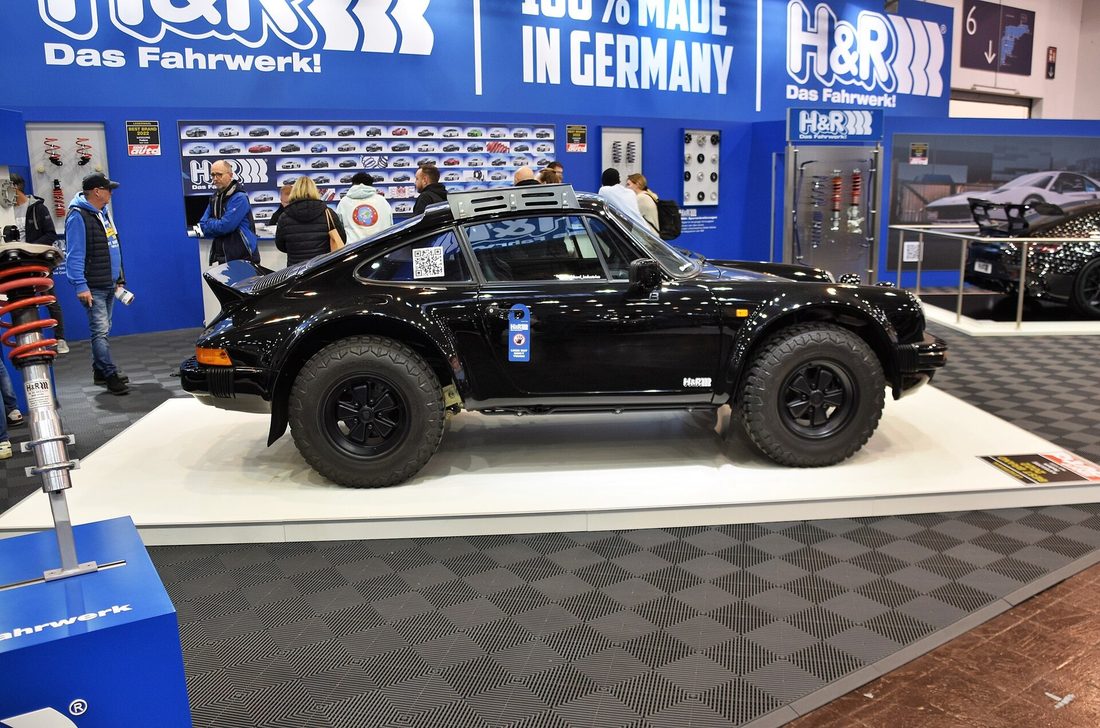
2.7 Gearboxes, and the 1987 line in the sand
The 2.7 cars offered a standard four-speed type 915/16 with an optional five-speed 915/06, plus a newly developed three-speed Sportomatic for 1976 (source: supercarnostalgia.com/blog/porsche-911-i-j-series-1976-1977). The SC used the five-speed type 915/44 throughout, and Sportomatic was dropped for 1980 on dwindling demand (source: supercarnostalgia.com/blog/porsche-911-sc), though one source places the deletion after 1979 (source: stuttcars.com/porsche-911-sc-g-series-1978-1983/), which is the same event described from either side of the model-year boundary.
The Carrera 3.2 carried the 915 for 1984 to 1986, with a cable-actuated clutch and famously notchy throws, then took the Getrag G50 five-speed from the 1987 model year, with a hydraulically actuated clutch, Borg-Warner synchromesh, better shift quality and a neutral centring spring (source: stuttcars.com/porsche-911-carrera-3-2-1984-1989/; source: elferspot.com/en/magazine/g50-vs-915-gearbox-what-are-the-differences). That change, arriving with the 217 hp North American engine, is the single sharpest value line in the generation, and the market has always paid for it. Reverse tells you which box you have from the driver's seat: right and down on the 915, left and up on the G50 (source: elferspot.com/en/magazine/buyers-guide-the-porsche-911-carrera-3-2).
The Turbo kept a four-speed (type 930/34 in 3.3 form) from 1975 right through 1988, and received the five-speed Getrag G50/50 only for its final 1989 model year (source: supercarnostalgia.com/blog/porsche-930-33; source: en.wikipedia.org/wiki/Porsche_911_(930)), which is much of why 1989 Turbos are the most collectible of the air-cooled cars.
2.8 Body styles and the special editions
Coupe and Targa ran the whole sixteen years. The Cabriolet arrived for 1983, with production from October 1982, on a reinforced shell with a manual triple-layer hood, Porsche's first open 911 after eighteen years without a convertible (source: supercarnostalgia.com/blog/porsche-911-sc; source: stuttcars.com/porsche-911-sc-g-series-1978-1983/). It sold 4,214 in its first year (source: en.wikipedia.org/wiki/Porsche_911_(classic)), against a 1983 model-year breakdown that gives 4,187 cabriolets (source: stuttcars.com/porsche-911-sc-g-series-1978-1983/), so even this figure has a wobble in it. Porsche had trailed the car properly first, with a cabriolet study at Frankfurt in 1981 and a prototype at Geneva in March 1982 (source: stuttcars.com/porsche-911-sc-g-series-1978-1983/; source: supercarnostalgia.com/blog/porsche-911-sc).
The Speedster closed the generation, running from January to September 1989 with a raked windscreen, two seats and a roll-away roof under a double-bubble tonneau, drawing directly on the 356 Speedster (source: supercarnostalgia.com/blog/porsche-911-32-speedster). Its production total is genuinely unresolved: 2,104 units is the most commonly cited figure, with some sources giving 2,056, of which 1,933 were Turbo-bodied including 129 right-hand drive cars, and a third figure of 2,274 also circulates (source: supercarnostalgia.com/blog/porsche-911-32-speedster; source: stuttcars.com/porsche-911-g-series-2nd-generation-research-hub/). Three totals, no consensus.
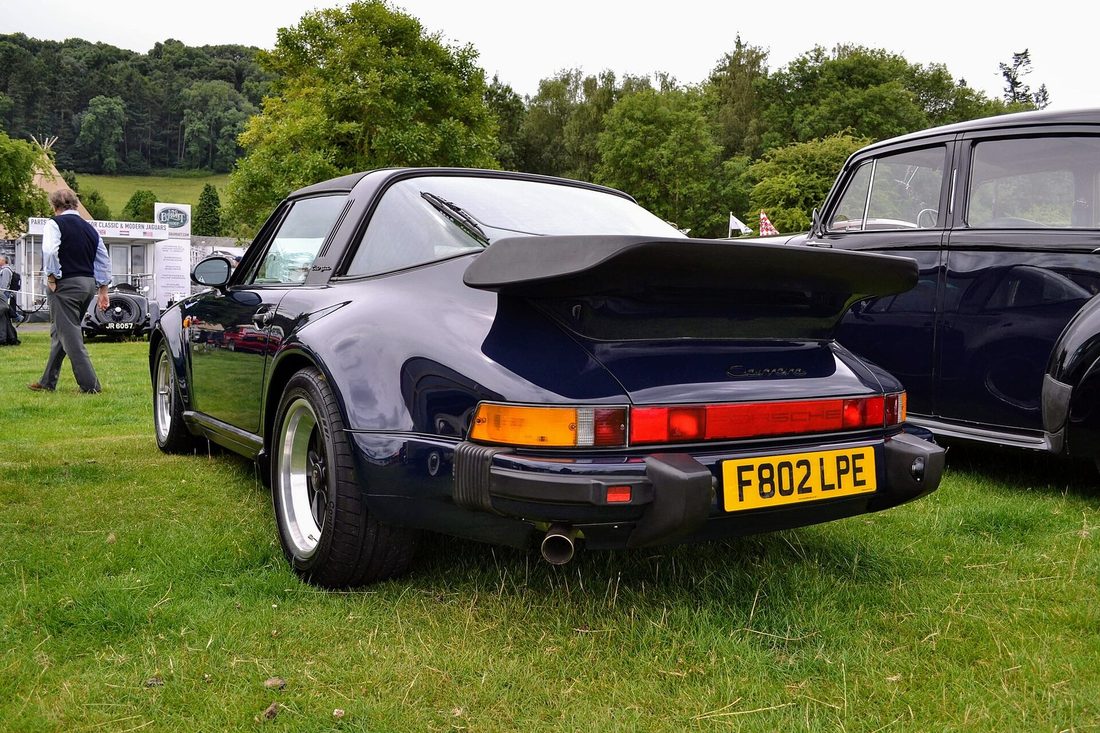
The option that most changes what a car is worth is M491, the Turbo-look (Supersport in the United Kingdom), which gave naturally aspirated Carreras the 930's flared arches, whale tail, suspension, brakes and wheels without the turbocharger (source: stuttcars.com/porsche-911-carrera-3-2-1984-1989/; source: porscheknowledge.com/911-supersport-sse/). Sources date its introduction to 1984 (source: porscheknowledge.com/911-supersport-sse/) or to 1986 (source: stuttcars.com/porsche-911-carrera-3-2-1984-1989/). Because a factory M491 car and a well-bodykitted Carrera look alike and are not remotely the same asset, this is the option most worth verifying on paper.
The limited editions carry the same accounting problems. The 1980 Weissach Edition, an American-only SC, is variously given as 400 cars (200 black metallic, 200 platinum metallic), 468 split evenly, or 406 (source: stuttcars.com/porsche-911-sc-weissach-edition-1980/; source: stuttcars.com/porsche-911-sc-g-series-1978-1983/; source: conceptcarz.com/vehicle/z9992/porsche-911-weissach-edition.aspx); equipment included fog lights, an electric sunroof, Bilstein dampers, body-coloured-centre Fuchs wheels and the spoiler pack (source: stuttcars.com/porsche-911-sc-weissach-edition-1980/). The 1982 Ferry Porsche 50th anniversary edition in Meteor Metallic Grey is given as 200 cars, or as 200 to 266 (source: supercarnostalgia.com/blog/porsche-911-sc; source: stuttcars.com/porsche-911-sc-g-series-1978-1983/). The Carrera Club Sport, option M637, was introduced in August 1987 for club racing and built to September 1989, 340 cars for American and European markets (source: bonhams.com/auctions/23598/lot/24; source: stuttcars.com/porsche-911-g-series-2nd-generation-research-hub/). The 1988 25th Anniversary, or Commemorative, model was limited to 875 units (source: stuttcars.com/porsche-911-carrera-3-2-1984-1989/).
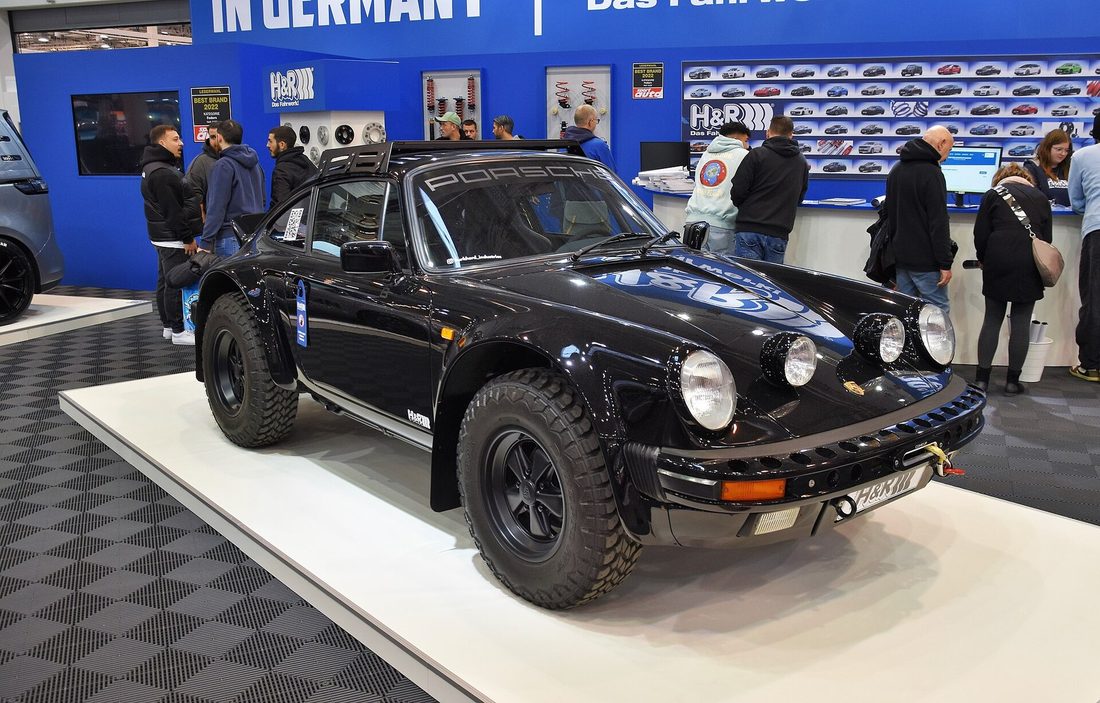
2.9 Production totals, and where they refuse to add up
For 1974, model-by-model figures total 11,378 cars, consistent with a separate breakdown of 7,124 base, 2,257 S and 1,997 Carrera (source: stuttcars.com/porsche-911-g-series-sales-production-numbers/; source: supercarnostalgia.com/blog/porsche-911-g-h-series-1974-1975). The Carrera 3.0 total is given as 3,687 cars, 2,564 coupes and 1,123 Targas (source: carrera3.wordpress.com), while the published year-by-year figures sum to 3,691.
The SC is worse. Adding the year totals from 1978 to 1983 gives 60,265 cars (source: stuttcars.com/porsche-911-sc-g-series-1978-1983/), while the widely repeated alternative is 58,914 (source: motogallery.com/blogs/porsche-database/porsche-911-sc). Both numbers are in print, and we cannot reconcile them.
The Carrera 3.2 manages three mutually inconsistent readings from one publisher: year figures that sum to 80,383, a headline of approximately 76,000, and a production-numbers page giving 1989 as 10,759 rather than 12,863 (source: stuttcars.com/porsche-911-carrera-3-2-1984-1989/; source: stuttcars.com/porsche-911-g-series-sales-production-numbers/).
Turbo production is not settled either. One source gives 21,589 in total, split 2,819 for the 3.0 and 18,770 for the 3.3 (source: en.wikipedia.org/wiki/Porsche_911_(930)). A model-year table elsewhere sums to 21,118 for the 3.3 alone while its own text calls the 1975 to 1989 total approximately 20,000 (source: supercarnostalgia.com/blog/porsche-930-33), and a third source puts the run at approximately 23,794 (source: stuttcars.com/porsche-911-g-series-sales-production-numbers/).
The honest summary is that the factory's 196,397 is the only generation-level number worth quoting, and that below it, model totals should be given as ranges with the sources named.
2.10 The market in 2026
Start with a warning that will save you money. The aggregator classic.com publishes averages for this generation that are corrupted by impossible records: its own data set includes a supposed $22,311,000 sale of a 1989 Porsche 911 Carrera on 10 January 2026 and a $24,975,000 sale of a 1987 Porsche 911 Turbo on 8 November 2025 (source: classic.com/m/porsche/911/g-body/carrera-32/coupe/; source: classic.com/m/porsche/911/g-body/930/). Those records inflate the averages built on top of them, which is why that site shows a $125,230 average for a G-body Carrera 3.2 Coupe (source: classic.com/m/porsche/911/g-body/carrera-32/coupe/) while a valuation service puts an average-condition example at £59,613 with a median of £59,555 (source: theclassicvaluer.com/cars/porsche/911-carrera-3.2-coupe). Use valuation services and individually dated results, not aggregate averages.
On that basis, an average-condition SC Coupe is put at £48,221 (source: theclassicvaluer.com/cars/porsche/911-sc-coupe), and Hagerty showed a 1982 SC 3.0 at $58,000 in number 3 Good condition (source: hagerty.com/valuation-tools/porsche/911/1982/1982-porsche-911-sc_3.0). Hagerty's condition 2 figures run higher: closer to $85,000 for a 1980 SC coupe and around $79,000 for a pre-G50 Carrera 3.2, with a G50 car adding $10,000 or more (source: hagerty.com/media/market-trends/hagerty-insider/your-handy-1974-1989-porsche-911-g-series-buyers-guide/). European owners see the same premium from the other side, at roughly 5,000 euros more for a G50 car (source: elferspot.com/en/magazine/g50-vs-915-gearbox-what-are-the-differences).
Dated individual results show the real spread. A 1983 911 sold for $61,425 in June 2026 and a 1978 SC project for $6,500 in the same month, and a 1985 Carrera 3.2 sold for $29,812 on 19 June 2024 (source: hagerty.com/valuation-tools/porsche/911/1983/1983-porsche-911; source: classic.com/m/porsche/911/g-body/sc/; source: classic.com/m/porsche/911/g-body/carrera-32/coupe/).
The 930 sits well above both. Across 97 recorded auction sales the median is $164,414 and the average $179,552, in a range from $34,100 to $577,000, the top figure a 1989 car at RM Sotheby's Monterey in August 2026 (source: conceptcarz.com/valuation/9779/porsche-911-turbo-type-930.aspx). Valuation services put an average-condition 930 Turbo Coupe at £108,521 and a Cabriolet at £120,612 (source: theclassicvaluer.com/cars/porsche/911-(930)-turbo-coupe; source: theclassicvaluer.com/cars/porsche/911-(930)-turbo-cabriolet). Individual 2026 results spread from $302,500 for a 1989 at Mecum Indy in May down to $52,710 for a 1986 in July (source: classic.com/m/porsche/911/g-body/930/). On trend, after sharp appreciation from 2015 to 2022 prices have stabilised, with premium cars holding value while average-condition examples have softened 10 to 15 percent from peak (source: hypercars.io/guides/best-air-cooled-porsche).
2.11 Identifying the car in front of you
Work through it in this order, and write the answers down before you talk money.
1. Model year. Not the letter code, not the registration year. The model year sets everything below it.
2. Engine and displacement. 2,687 cc for 1974 to 1977, 2,994 cc for the Carrera 3.0 and the SC, 3,164 cc for the 1984 to 1989 Carrera, 2,994 cc or 3,299 cc for the Turbo. Then find the factory engine type stamped on the case, because the type code (911/92, 930/03, 930/09, 930/10, 930/20, 930/21, 930/25, 930/50, 930/60, 930/68) is what tells you market, compression and output.
3. Gearbox. 915 or G50. Look for reverse: right and down for the 915, left and up for the G50 (source: elferspot.com/en/magazine/buyers-guide-the-porsche-911-carrera-3-2). On a Carrera 3.2 that single answer moves the value materially.
4. Shell. Pre-galvanised or post-galvanised, which in practice means before or from 1976, with 1975 treated as unprotected unless proven otherwise.
5. Body style. Coupe, Targa, Cabriolet (1983 on), or Speedster (1989 only). On an open car, add the drain paths and roof-to-screen joints to your inspection list.
6. Market specification. European, 49-state American, California, Japanese or Swiss. This determines power, emissions hardware, and, importantly for the wiring chapters later in this book, which harness the car has.
Get those six right and the rest of this book will tell you what to expect. Get them wrong, and you will be reading about somebody else's 911.
Glossary
- Cabriolet
- The fully convertible 911, with a folding soft top and no fixed roof structure, offered from the 1983 model year on a reinforced shell.
- Case Saver
- A threaded insert fitted into a crankcase to repair a head stud thread that has pulled out. Multiple case savers in one engine signal a case that has already been rescued once.
- Cdi
- Capacitor discharge ignition, the Bosch breakerless ignition box used on these cars. It stores energy in a capacitor and dumps it into the coil, and when the box fails the car simply stops making sparks.
- Certificate Of Authenticity
- Porsche's factory-issued document confirming a car's original specification, colour and option codes from the build record. On this generation it materially affects value, because it proves what the car left the factory as.
- Chain Tensioner
- The sprung or oil-pressure-fed assembly that keeps a camshaft chain taut. The original spring-loaded units on pre-1984 cars can fail without warning and destroy the engine, which is why the pressure-fed retrofit is the single most important service history item on this generation.
- Cis
- Continuous injection system, Bosch's name for K-Jetronic in the American market. Fuel flows continuously rather than in timed pulses, metered mechanically by airflow.
- Dilavar
- A high-expansion steel alloy Porsche used for cylinder head studs to better match the aluminium cylinders' growth when hot. Early Dilavar studs are known to corrode and snap, which is a separate failure from studs pulling their threads out of a magnesium case.
- Dme
- Digital Motor Electronics, Bosch and Porsche's name for the engine control unit that runs both fuel and ignition on the Carrera 3.2.
- Dme Relay
- The main relay that powers the engine management system. A resistive or cracked-solder relay leaves a car that runs cold and dies warm, and it is a common misdiagnosis.
- Dog Teeth
- The interlocking teeth on a gear and its synchro hub that actually transmit drive once the shift is complete. Rounded dog teeth cause a gear to jump out under load, which is a different fault from worn synchromesh.
- Dry Sump
- A lubrication system that stores oil in a separate tank rather than in the crankcase, with a scavenge pump returning it. It allows a large oil volume and reliable pickup under cornering load, and it is why checking the level correctly on a 911 is its own procedure.
- Dry-Sump Lubrication
- See dry sump: oil lives in a remote tank instead of the crankcase, with a scavenge pump feeding it back, giving a large oil volume that doubles as the engine's cooling medium.
- Flachbau
- Slantnose. A factory special-order 930 with the pop-up headlamps and flat front wings of the 935 racing car, built in small numbers and worth a large premium.
- Frequency Valve
- An electrically pulsed valve in the later K-Jetronic Lambda system that fine-trims mixture in response to the oxygen sensor. Its duty cycle is a useful diagnostic reading.
- Fuel Distributor
- The mechanical heart of K-Jetronic. A plunger lifted by the airflow sensor plate opens metering slits that divide fuel between the cylinders. It is expensive, rebuildable, and often blamed for faults that lie elsewhere.
- G-Series
- Strictly Porsche's internal letter code for the 1974 model year only. Enthusiasts borrowed it for the whole impact-bumper run to 1989, which is how a sixteen-year generation ended up named after one year.
- Galvanised
- Hot-dip zinc coated. Porsche moved the 911 shell to fully galvanised steel in the mid-1970s and backed it with a long anti-corrosion warranty, which is the single biggest reason later cars in this generation survive better than earlier ones.
- Gl-5
- An API gear-oil rating with a high sulphur-phosphorus additive load. It matters here because the community-default 915 gearbox oil is GL-5 rather than the GL-4 many owners assume.
- Heat Exchanger
- A jacket around the exhaust manifold that warms cabin air. Because cabin air passes directly over the exhaust, a cracked or rotted exchanger admits exhaust gas into the interior, which makes it a carbon monoxide problem rather than a comfort one.
- Impact Bumpers
- The energy-absorbing bumpers with telescopic bellows ends fitted from the 1974 model year to meet United States rules requiring a car to survive a 5 mph impact without body damage. They gave this generation its face and its informal name.
- Intercooler
- A charge-air cooler that lowers the temperature of air leaving the turbocharger before it enters the engine, raising density and reducing knock. Fitted to the 3.3 litre 930.
- K-Jetronic
- Bosch's mechanical, continuously-flowing fuel injection, fitted from 1974. Air moving past a sensor plate lifts a plunger in the fuel distributor, which meters fuel to each injector without electronic control of quantity.
- Kerb Weight
- The weight of the car with fluids and fuel but no driver or luggage. Published figures for this generation spread widely because sources rarely state whether they mean kerb, dry or DIN weight.
- Leak-Down Test
- A test that pressurises each cylinder with air and measures the rate of loss while listening for where it escapes, so it shows not just that a cylinder is weak but whether valves, rings or the head gasket are at fault.
- M-Code
- A factory option code. Reading a car's M-codes against its build record is how you confirm what equipment it genuinely left the factory with.
- Magnesium Crankcase
- The lighter crankcase material used on 2.7 litre engines. Magnesium holds a steel head stud thread less well than aluminium, which is the root of the head-stud pull that defines the 1974 to 1977 cars.
- Motronic
- Bosch's integrated engine management, combining fuel injection and ignition control in one electronic unit. It arrived on the 911 with the Carrera 3.2 in 1984.
- Pet
- The Porsche Electronic Parts Catalogue, the factory parts database that maps part numbers to chassis numbers. It is the authority when a supplier's listing and a forum disagree.
- Pop-Off Valve
- A pressure relief valve in the turbocharged intake that vents an overpressure spike rather than letting it reach the engine. A stuck or worn one is a boost-control fault.
- Sportomatic
- Porsche's semi-automatic transmission, a torque converter and clutch arrangement with a conventional gear lever but no clutch pedal. Offered early in this generation and now rare.
- Synchromesh
- The cone-and-ring mechanism that matches the speeds of gear and shaft so a gear engages without grinding. Worn synchros on the 915 gearbox announce themselves on a cold start, not a warm one.
- Targa
- The 911 body style with a removable roof panel over the cabin and a fixed, hooped rollover bar behind the seats, so the shell keeps most of its rigidity.
- Thermal Reactor
- An early emissions device that burned unburnt fuel in a chamber in place of a catalytic converter. It ran extremely hot, which put heat into the engine bay of some mid-1970s American cars.
- Time-Sert
- A proprietary threaded steel insert used to repair a stripped or pulled thread in aluminium or magnesium. On these engines it is one of the accepted permanent fixes for a failed head stud thread.
- Torpedo Fuse
- The old cylindrical ceramic fuse with conical metal ends, held by spring pressure rather than by blade contacts. The contact interface corrodes and heats, and voltage-drop testing across it is the most useful electrical diagnostic on the car.
- Torsion Bar
- A long steel bar that resists twisting and acts as the spring. The 911 uses torsion bars in place of coil springs at both ends of this generation, with ride height set by adjusting the bar's mounting.
- Turbo-Look
- A car built or converted with the 930 Turbo's flared arches, wider wheels and often its brakes, but without the turbocharged engine. A factory option as well as a common aftermarket conversion, so provenance matters.
- Warm-Up Regulator
- The K-Jetronic component, also called the control pressure regulator, that enriches mixture while the engine is cold by lowering control pressure. A failed one gives poor cold running and is often mistaken for a bigger fault.
- Wastegate
- The valve that bypasses exhaust gas around the turbine to cap boost pressure. A sticking wastegate either overboosts the engine or strangles it, and its condition sets how a 930 actually drives.
- Zddp
- Zinc dialkyldithiophosphate, an anti-wear oil additive that protects sliding camshaft and rocker contacts. Modern oils carry less of it, which is the core of the long argument about what to run in an older air-cooled engine.