An adventure motorcycle is a compromise made on purpose. It is tall enough to clear a washed-out fire road, comfortable enough to eat 400 miles of interstate before lunch, and rugged enough that a tip-over on a gravel switchback costs you a scuffed pannier instead of a tow truck. The best ones carry fuel, luggage, and a passenger without complaint, then still turn playful when the pavement ends.
The first choice is size. Big-bore adventure bikes (roughly 1000cc and up) own the open road: torque everywhere, wind protection, and the range to skip gas stations. They are heavy, though, and a fully loaded 550-pound bike is a handful when the trail gets technical or when you drop it alone. Middleweights (in the 650cc to 900cc range) give up some highway muscle for 60 or 70 fewer pounds, and that weight is exactly what you notice when you are tired, standing on the pegs, or picking the bike up. This guide is for the rider deciding between the two, whether you are planning a first overnight or a year on the road.
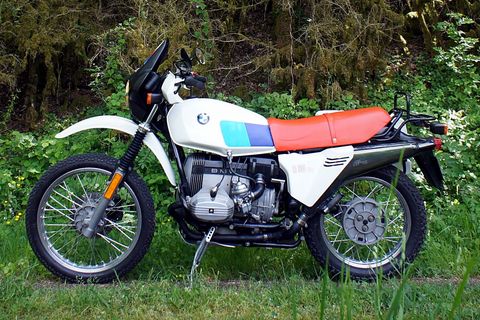
The class effectively begins with the BMW R80G/S. BMW's 1980 dual-sport invented the big-bore adventure category and backed it up by winning the Paris-Dakar rally, and it still rides like a light, honest trail bike by modern standards. Values have climbed into collector territory, so a clean one is now an investment as much as a rider, but nothing else feels quite like the machine that started it all.
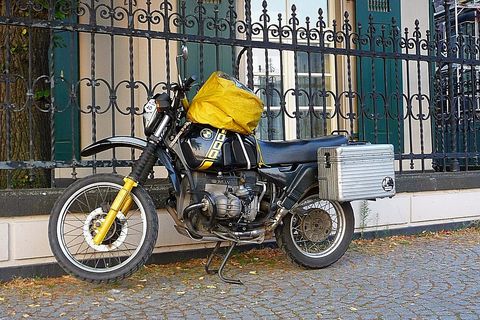
The BMW R100GS turned that idea into the definitive air-cooled adventure twin. Its Paralever rear end tamed the shaft-drive jacking that plagued earlier boxers, and the 980cc engine is famously unburstable. Parts are everywhere and the community is deep. The downsides are period ones: drum-simple electronics, modest brakes, and a riding position that suits taller riders best.
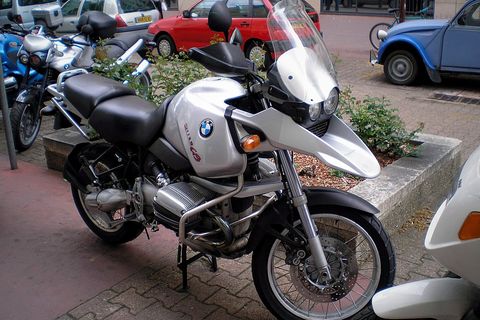
The BMW R1150GS is the bike most people picture when they hear adventure motorcycle, thanks to its starring role in Long Way Round. It is torquey, planted, and built to run forever, but it is also heavy and top-heavy, and the servo-assisted brakes on some years need a knowledgeable buyer. Learn its quirks and it will cross continents.
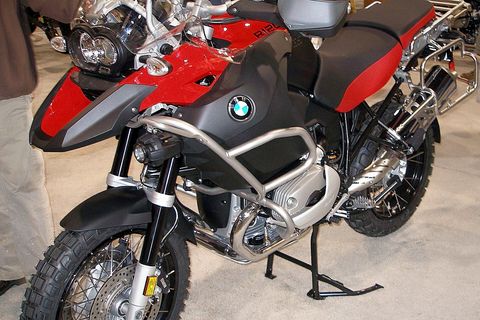
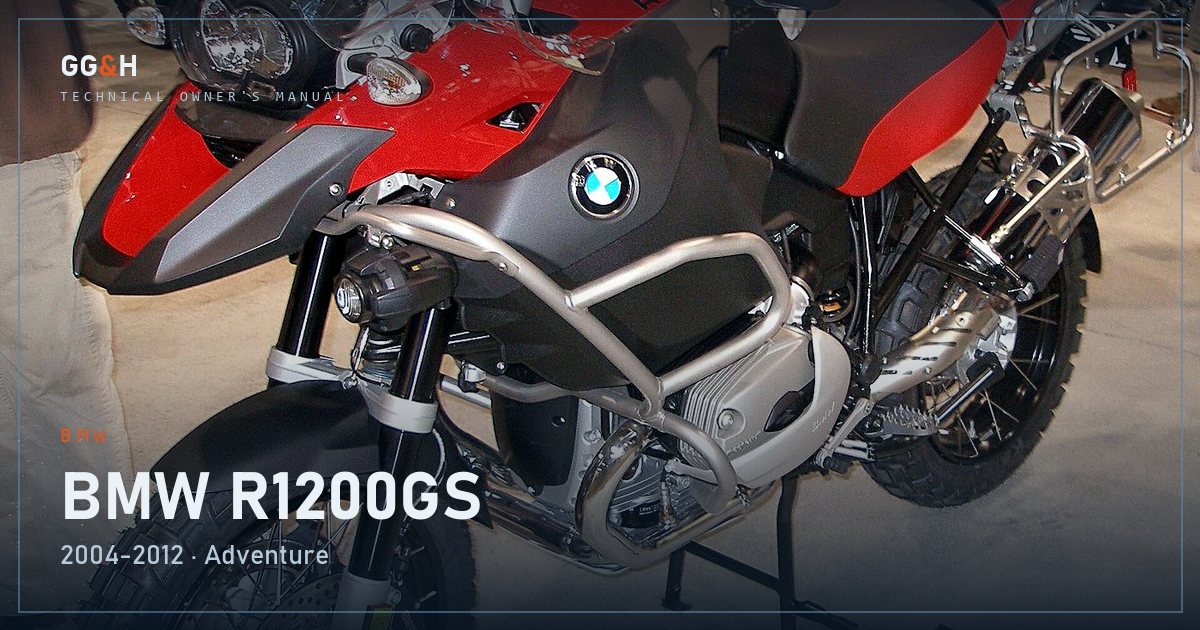
Then came the bike that made the GS a global best-seller, the BMW R1200GS. The 2004 hexhead shed around 30 kilograms over the 1150 and transformed the character from lumbering to genuinely agile. It is the sweet spot of the modern lineup: light enough to enjoy, cheap enough to buy used, and simple enough to fix. Watch for final-drive wear and the occasional fuel-strip fault, both well documented.
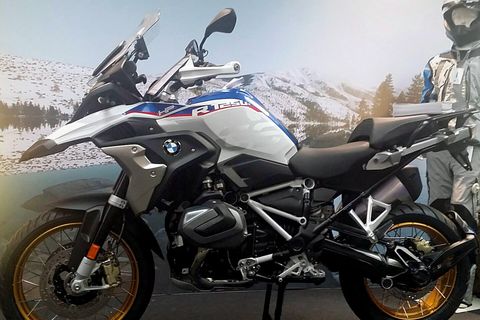
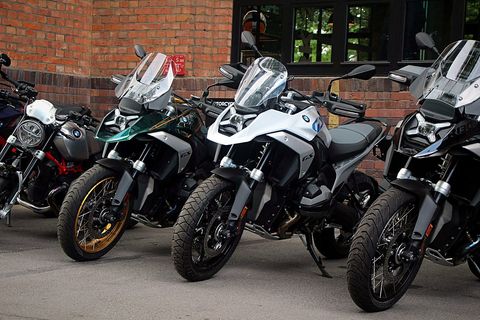
For the current big-boxer experience, the BMW R1250GS adds ShiftCam variable valve timing for about 136 horsepower and low-end tractability that borders on effortless. It is the most capable all-rounder here, with a caveat: it is loaded with electronics and rider aids that are wonderful when working and expensive when not. Buy one with service records. The newest BMW R1300GS goes further still, moving to a sheet-metal main frame and a more compact 1300cc engine in the biggest redesign in decades. It is lighter and sharper than the 1250, though the styling divides opinion and the tech stack is deeper than ever.
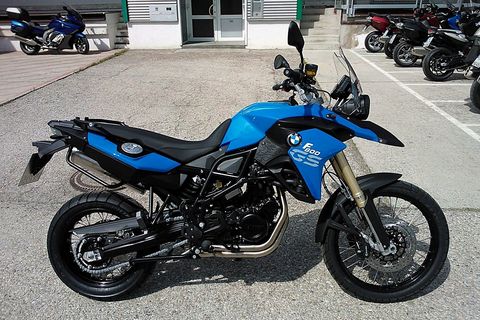
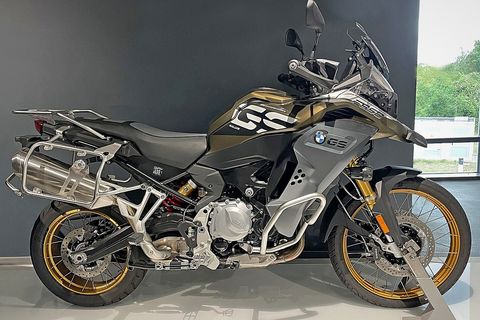
If big-bore weight worries you, start with the middleweights. The BMW F800GS gave the GS line a lighter, genuinely dirt-capable twin with a 21-inch front wheel, the wheel size that separates trail bikes from tall tourers. It is a fine off-road tool with a firm seat and a slightly buzzy engine on long slabs. Its successor, the BMW F850GS, grew to 853cc and switched to a 90-degree crank for a smoother, more characterful beat, with better wind protection and modern electronics. Both are the reasonable-person's answer to "how much bike do I actually need."
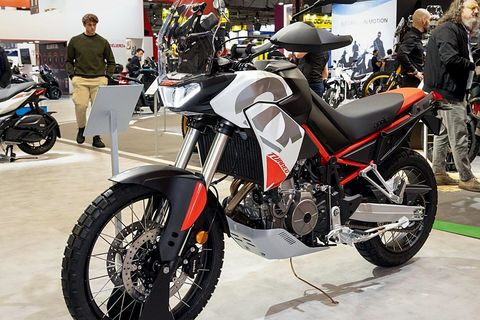
The middleweight to beat off-road, though, is the Aprilia Tuareg 660. Aprilia built its 659cc parallel-twin into a genuinely dirt-focused package: long-travel suspension, a real 21-inch front, and a light, flickable feel that shames heavier rivals in the rough. The trade-offs are a smaller dealer network and less touring plushness than a big GS, but if your trip is more trail than turnpike, this is the one.
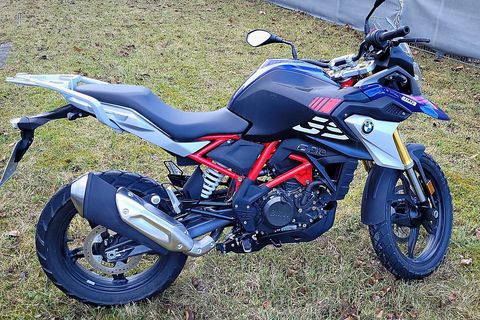
Finally, if you are new to all of this, the BMW G310GS is the honest entry point. Its 313cc single, built with TVS in India, will not thrill a veteran, but it is low, light, cheap to run, and impossible to intimidate you. Treat it as a skills-builder and a commuter that can still hit a dirt road on the weekend.
Whichever way you lean, big or small, old or new, the right adventure bike is the one that matches the trip you actually take, not the one in the brochure photo. Garage, Galley & Hangar publishes a model-specific owner's reference for every motorcycle here, covering the maintenance, known issues, and buying advice that make ownership predictable. Browse the full catalog at garagegalleyhangar.com/garage/motorcycles/ and pick the manual for the bike you ride.