The 1960s were the decade the car grew up and cut loose at the same time. Postwar austerity was over, disc brakes and fuel injection were spreading, wind tunnels were starting to shape sheet metal, and racing budgets were flowing straight into showroom cars. Detroit discovered the big engine in the mid-size body, Italy refined the twin-cam, Britain built grand tourers that could actually go the distance, and small factories all over Europe punched far above their weight. If you want a classic that looks the part, sounds right, and still rewards a driver, this is the golden era to shop. Here are ten that define it, and what an owner should really expect from each.
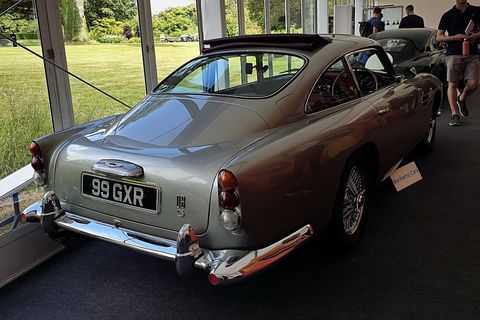
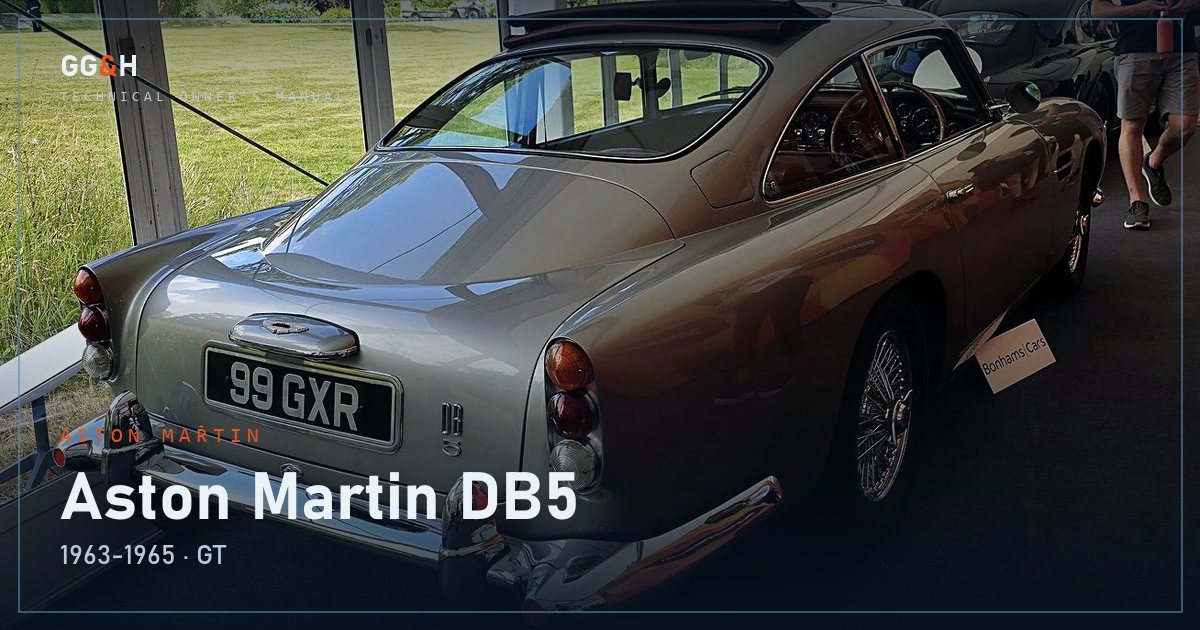
The Aston Martin DB5 is the car most people picture when they hear the word classic. Goldfinger made it a star in 1964, but the DB5 earned its place on merit: a 4.0-liter straight-six, a five-speed ZF gearbox, and coachwork that still looks expensive sixty years on. Character is effortless, long-legged grand touring. What an owner should know is that this is a hand-built car with a matching price for everything, so budget for the specialist, not the corner garage. Weak points are aluminum bodywork that hides corrosion in the steel frame beneath, and electrics that reward patience.
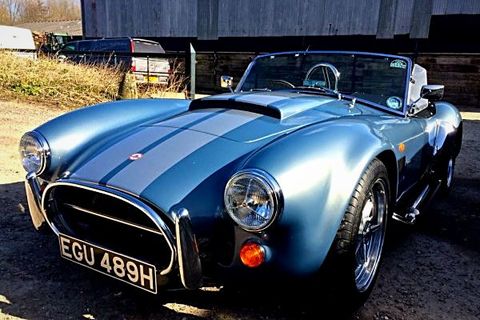
The AC Cobra is the opposite philosophy and just as iconic: a light British AC Ace body with a big American V8 dropped in by Carroll Shelby. The result is brutally fast and gloriously unfiltered. It defines the era's transatlantic mischief. Owners should understand there is very little between the driver and physics here: no traction aids, modest brakes for the power, and heat and noise as constant companions. Values also make genuine cars a serious commitment, and the replica world is vast, so provenance matters more than almost any car on this list.
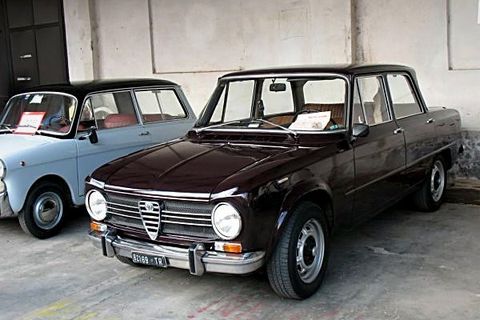
The Alfa Romeo Giulia shows what the decade did for the everyday sporting sedan. Its boxy shape was shaped in the wind tunnel, and underneath sat a jewel of a twin-cam engine that loved to rev. It is the thinking driver's 1960s car: compact, communicative, and usable daily. The honest weak point is rust, which finds Alfa bodies with enthusiasm, so inspect floors, sills, and screen surrounds carefully before the mechanicals.
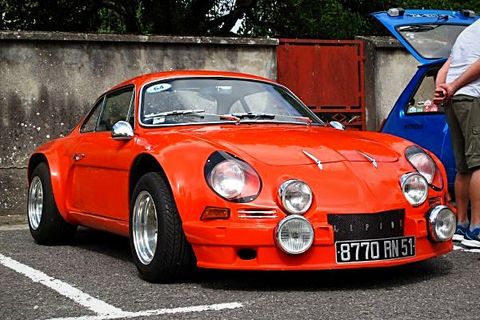
The Alpine A110 is the giant-killer, a rear-engine fiberglass coupe that won the first World Rally Championship. Tiny, light, and darty, it delivers a driving experience nothing modern replicates. An owner should know the fiberglass body and steel backbone chassis demand specialist knowledge, parts can be scarce, and the rearward weight bias rewards respect in the wet.
The BMW 2002 more or less invented the sport sedan for America: a compact two-door with a willing overhead-cam four and tidy handling. It is approachable, cheap to run by classic standards, and genuinely fun. Watch for rust in the usual German places (shock towers, rockers, trunk floor) and for tired suspension bushings that dull the sharpness owners love it for.
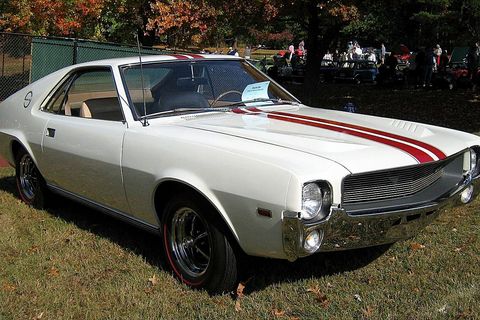
The AMC AMX is the American oddball worth knowing: a short-wheelbase two-seat muscle car, unique in the domestic market. It has real V8 shove and a distinct identity that keeps values sensible. The trade-off is AMC parts support, which is thinner than the Chevy and Ford world, so a good club and a patient parts hunter are worth as much as the car.
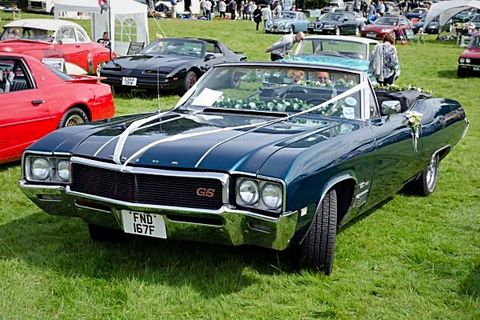
The Buick Gran Sport put a 401 nailhead V8 into the mid-size Skylark and made torque, not headlines, its calling card. It is the refined, gentlemanly side of muscle. Owners get relaxed grunt and comfort; the honest note is that the nailhead is a torque engine, not a high-revver, and drum brakes and soft suspension remind you it was built for boulevards.
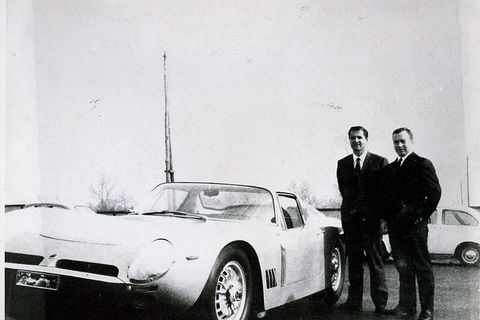
The Bizzarrini 5300 is the exotic left-field pick: an ultra-low racer with a Chevrolet V8 set entirely behind the front axle for balance. It is rare, dramatic, and seriously quick. This is a specialist's car in every sense, from the low, hot cockpit to parts sourcing, and it belongs with an owner who wants a genuine event rather than a weekend cruiser.
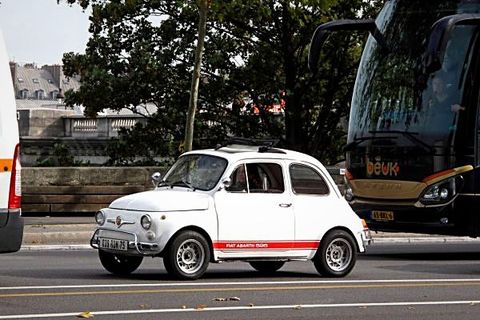
The Abarth 595 proves the decade was not only about big engines. This scorpion-badged hot-rod of the Fiat 500 famously ran with its engine lid propped open for cooling. It is pure joy in miniature, cheap thrills at legal speeds. Just accept that it is slow in absolute terms, noisy, and mechanically fussy in the way tuned small engines always are.
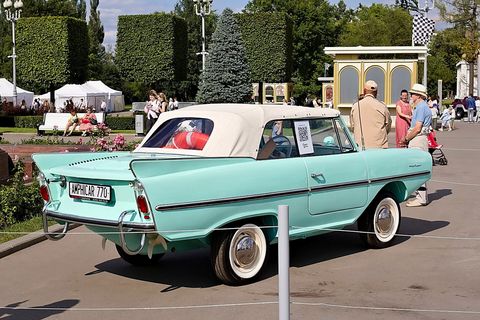
Finally, the Amphicar 770 is the decade's sense of humor made metal: the only mass-produced civilian car built to swim as well as drive. It is a conversation piece first and a car second. An owner must be religious about the hull seals, drainage, and post-swim maintenance, or the novelty becomes an expensive problem.
Whichever one calls to you, the details are what make or break ownership. Garage, Galley & Hangar publishes a model-specific owner's reference manual for each of these cars, covering the real service points, weak spots, and buying advice. Browse the full Garage catalog to find yours.