The 1980s were the decade the car changed its mind about what it wanted to be. Turbocharging went from a racing trick to a showroom badge, designers traded curves for the wedge and the sharp aero crease, and the dashboard quietly crossed over from analog needles to green and orange digits. It was messy, ambitious, and often brilliant. This is a guide for the enthusiast who came of age in that era, or who is only now discovering that the decade produced far more than shoulder pads and synth pop. Here are ten of the best, and what an owner should actually expect from each.
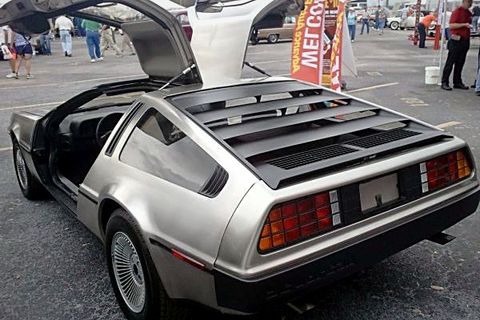
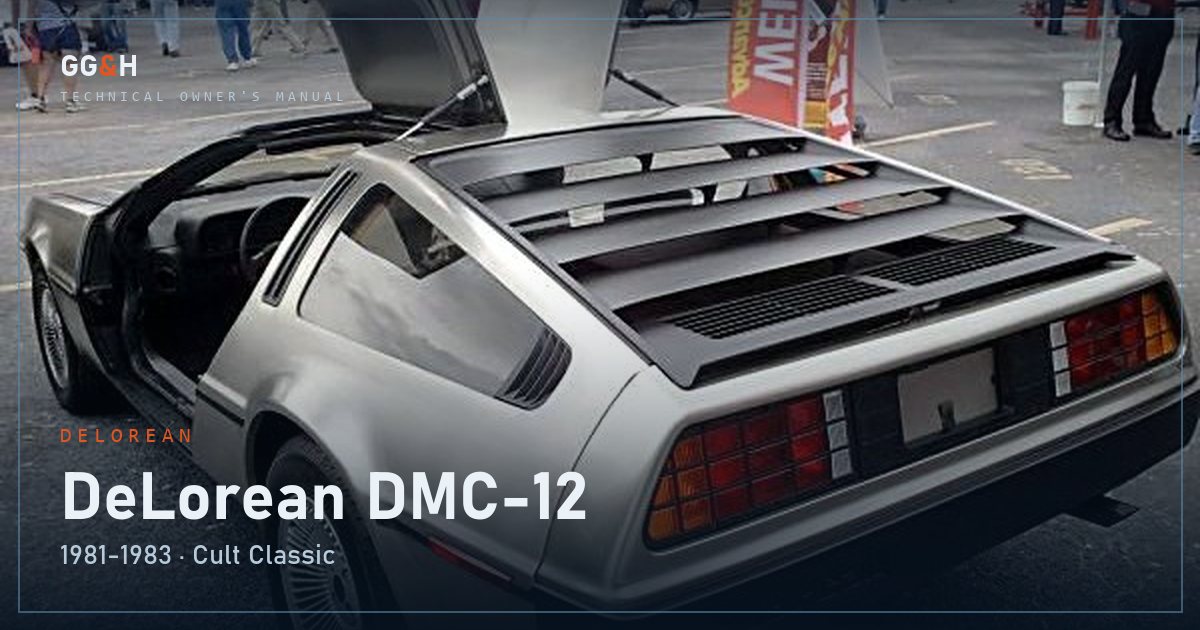
The DeLorean DMC-12 is the shape the decade is remembered by: brushed stainless skin, gullwing doors, and a starring role in a time machine. The character is pure theater. What an owner should know is that the underhood reality is more modest than the styling promises, since the rear-mounted PRV V6 is willing rather than fast. Weak points are electrical gremlins, fragile door struts, and the fact that stainless shows every fingerprint and is a specialist job to refinish.
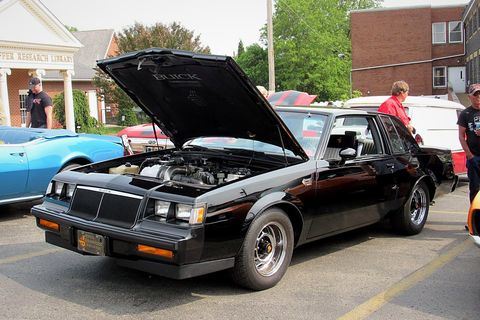
The Buick Grand National and GNX proved Detroit could still frighten Europe. A blacked-out, turbocharged, intercooled V6 that outran contemporary Corvettes in a straight line, it was the muscle car reinvented for the boost era. Owners love the sleeper menace, but should budget for turbo and fuel-system upkeep, and accept that values have climbed to the point where clean cars are collector money.
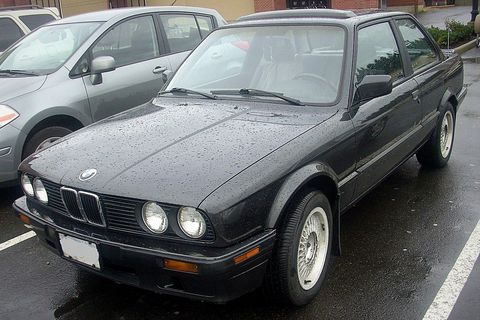
The BMW 3-Series is the definitive 1980s BMW, sold as coupe, sedan, touring, and convertible. This is the generation that fixed the sport sedan template for good: honest steering, a willing straight-six on the better cars, and a chassis that flatters. The honest weak point is rust, which hides in the rear arches and floors, so a careful inspection matters more than a clean interior.
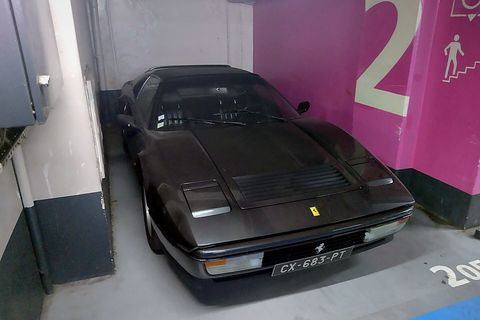
The Ferrari 328 is the refined final evolution of the 308 line, with a 3.2-liter V8 and softened bumpers. It is arguably the most usable of the classic mid-engine Ferraris, and one of the prettiest. What an owner should know: the belt service is the whole ballgame, so a documented major service is worth more than a shiny respray.
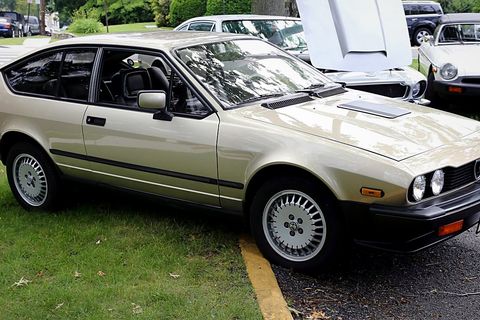
The Alfa Romeo GTV6 sings where others merely run. Its Busso V6, announced by the bulge in the hood, is one of the great sounding engines, and the rear transaxle gives the coupe fine balance. The catch is that the transaxle linkage feels vague when cold, and Alfa electrics and rust demand an owner who enjoys the involvement.
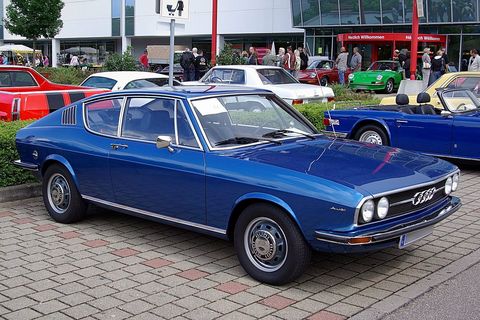
The Audi 100 was the aerodynamics lesson of the decade, a sedan with a record-low drag coefficient and flush glass that everyone soon copied. It is a comfortable, quietly advanced cruiser. Owners should watch for the usual galvanized-era exceptions in early cars, and for the cost of parts on the more complex quattro and five-cylinder variants.
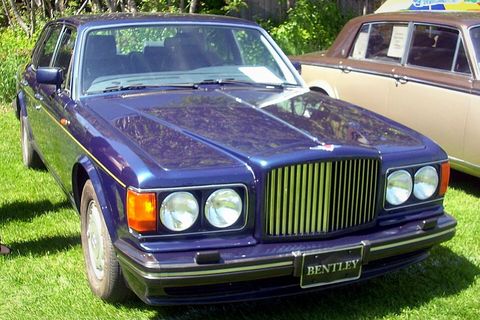
The Bentley Turbo R put the performance back into Crewe. A turbocharged V8 and genuinely firmer handling meant this was a Bentley you drove rather than were driven in. The character is effortless, imperious pace. The weak point is running cost: everything from the hydraulic suspension to the turbo plumbing is expensive, and a cheap one is rarely a bargain.
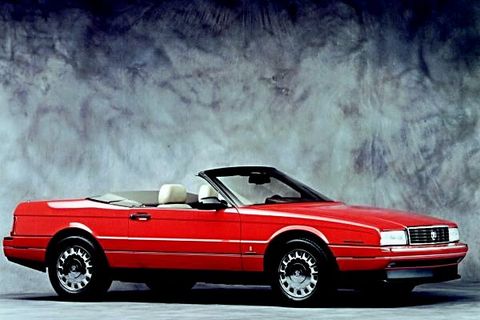
The Cadillac Allante was Detroit's audacious swing at the German roadster, with bodies actually flown from Pininfarina in Italy to be finished in the United States. It is comfortable, rare, and undervalued. Buyers should know the early cars were underpowered and the folding-top mechanism is fiddly, so the later, stronger-engined years are the ones to seek.
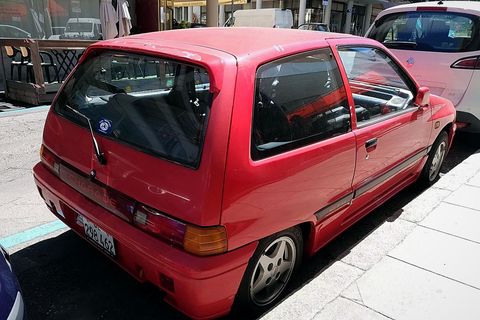
The Daihatsu Charade GTti is the giant-killer of the group, a turbo three-cylinder pocket rocket that embarrassed cars twice its size. The character is cheeky and hyperactive. What an owner should know is that survivors are scarce, parts can be a scavenger hunt, and a healthy turbo on such a small engine rewards fastidious maintenance.
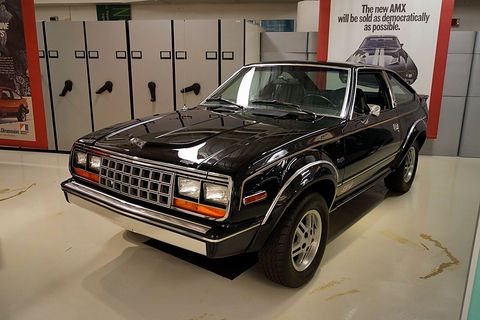
The AMC Eagle closes the list as the decade's quiet prophet: a full-time four-wheel-drive wagon that predated the crossover by a generation. It is charming, capable, and genuinely useful in snow. The weak points are the ones you would expect from AMC of the era, namely rust and parts scarcity, but the raised, all-weather concept has never looked smarter.
If one of these is your car, or the one you are hunting for, Garage, Galley & Hangar makes a model-specific owner's reference manual for each: the systems, the service intervals, and the honest weak points, written for the person turning the wrenches. Browse the full catalog at /garage/.