The 1990s were the last decade you could buy a genuinely quick car and still feel every input in your hands. Hydraulic steering, cable throttles, and manual gearboxes were the norm, not the exception, and electronic nannies mostly stayed out of the way. It was also the JDM golden age, when Japan poured racetrack engineering into road cars that undercut Europe by half. If you want a modern classic that rewards driving and remains realistic to own, this is the sweet spot. Here are ten of the best, with honest notes on living with each.
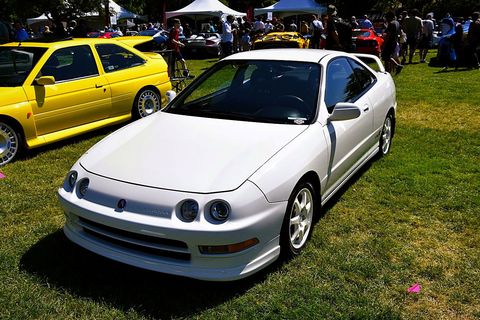
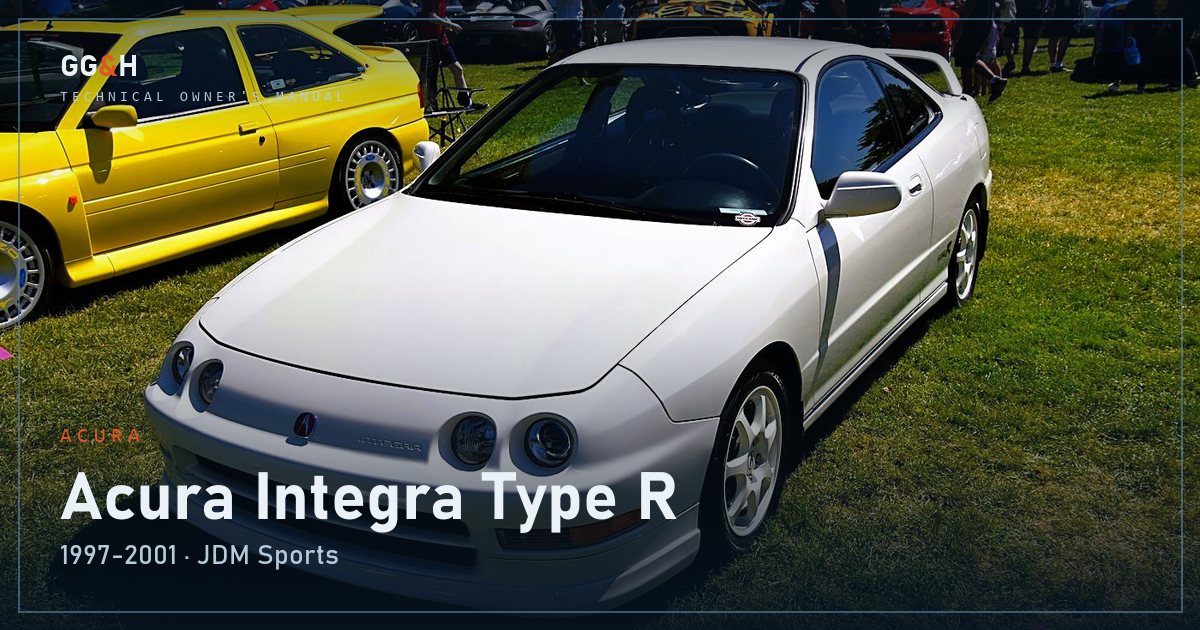
The Acura Integra Type R is the purest expression of the era's front-drive art. Its hand-ported B18C5 spins past 8,000 rpm, and the chassis is still used as a handling yardstick today. Owners should know these were driven hard and modified harder, so a clean, unmolested car commands a real premium. Weak points are few mechanically, but rust in the rear quarters and theft history are the things that separate a good one from a project.
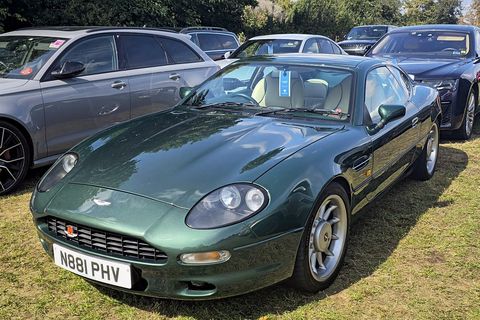
The Aston Martin DB7 saved the company and gave us one of the prettiest shapes of the decade, penned by Ian Callum. The supercharged straight-six cars are the affordable entry, while the later V12 Vantage is the connoisseur's pick. Buy on condition and history, not price: these share some parts-bin switchgear with humbler Fords, and deferred maintenance on the cooling and electrical systems gets expensive fast.
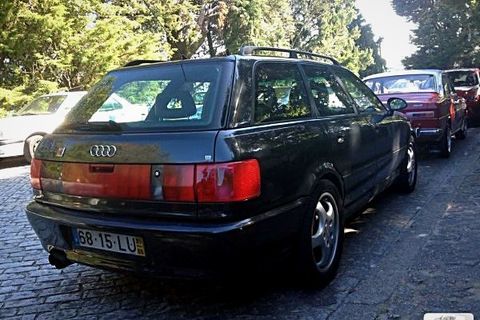
The Audi RS2 Avant invented the super-wagon. Built in partnership with Porsche, it wears Porsche brakes, mirrors, and wheels, and its turbo five-cylinder still sounds unlike anything else. As the first RS car, values have climbed steadily, so treat any example as an investment-grade purchase. The turbo and the quattro driveline are stout, but parts are scarce and specific, and a neglected one can drain a wallet quietly.
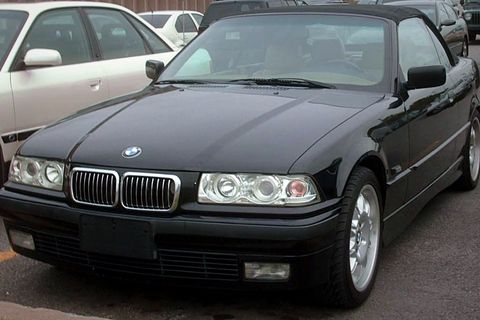
The BMW 3-Series of this era, the E36, is the everyman's analog sport sedan and the smart way into the hobby. The silky inline-sixes and near-perfect balance made it the benchmark, and there is a body style for everyone. Known trouble spots are the crumbling interior trim, the cooling system (replace it preventively), and rear subframe mounting points on hard-used cars.
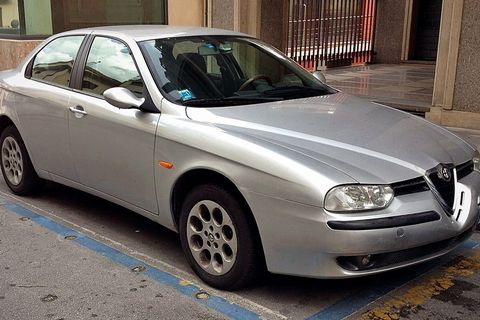
The Alfa Romeo 156 revived Alfa's design reputation and won European Car of the Year with its hidden rear door handles and eager Twin Spark and V6 engines. It is a car you buy with your heart, then maintain with discipline. Timing belts and variator rattle on the fours, plus electrical gremlins, mean a documented service history matters more here than almost anywhere else.
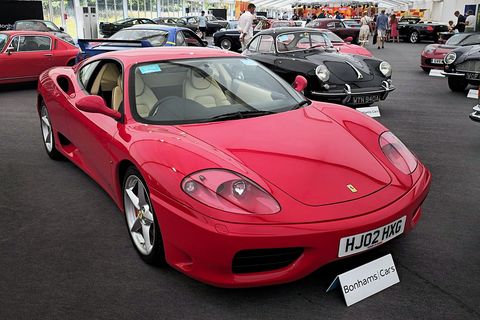
The Ferrari 360 brought the exotic into a new age with the first all-aluminum spaceframe mid-engine Ferrari, roughly doubling stiffness over the F355. Crucially for owners, it also ended the era of the engine-out belt service. Prefer the gated six-speed manual over the early F1 automated gearbox, whose clutch and hydraulics are a running cost, and budget for it as a Ferrari, not a bargain.
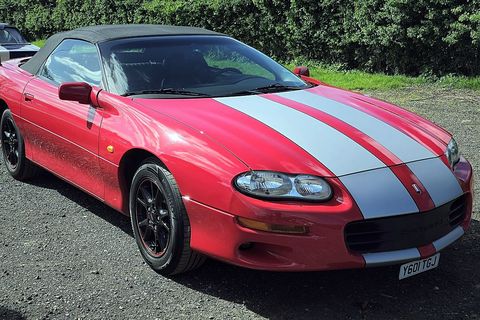
The Chevrolet Camaro is the value performance play of the decade. The later LS1 cars make serious power for the money and respond happily to modification. The flip side is a cheap-feeling interior, a low roofline that swallows tall drivers, and the reality that many were thrashed, so a stock, well-kept example is worth hunting for.
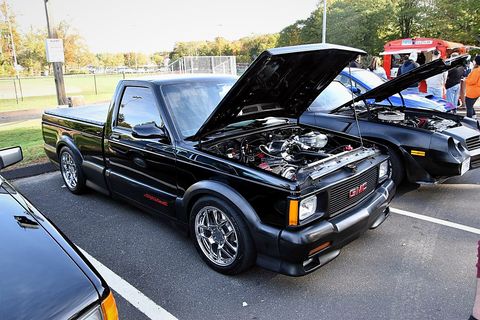
The GMC Syclone is the decade's great oddball: a turbocharged, all-wheel-drive pickup that famously out-accelerated a Ferrari to sixty. Built for a single year in tiny numbers, it is now a collectible, not a work truck. The turbo V6 is tunable but the towing and payload ratings are almost nonexistent, so buy one to enjoy, not to haul.
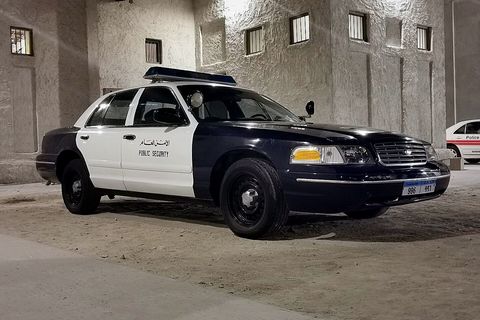
The Ford Crown Victoria earns its place as the last honest body-on-frame V8 sedan, the car that ran America's taxi and police fleets. It is durable, cheap to fix, and endlessly comfortable. Fleet-life examples can hide hard miles and worn suspension, so a civilian-owned car with records is the one to find.
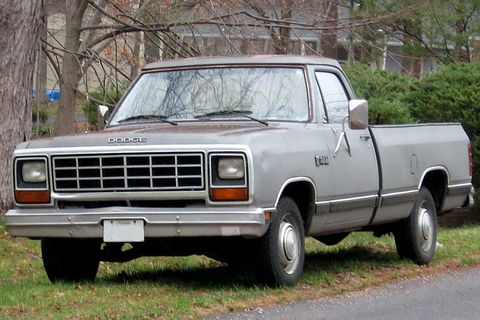
The Dodge Ram redrew the full-size truck with its big-rig face and made Dodge a real contender. The Cummins diesel versions are the ones enthusiasts chase for their longevity and torque. Watch for rust in the beds and cabs, tired front-end components, and the usual signs of a truck that actually worked for a living.
Every car here is a keeper you can still use, and each rewards an owner who understands it. Garage, Galley & Hangar makes a model-specific owner's reference for each of these, written around the exact quirks, service intervals, and buying traps that matter. Browse the full collection at /garage/.