The Japanese performance cars of the 1980s, 1990s, and early 2000s have graduated from bargain fun to genuine collectibles, and prices reflect it. That makes buying smart more important than ever. This guide is for the enthusiast who wants a car to actually drive and maintain, not just park, so we have been honest about the weak points alongside the reasons each one earns its reputation.
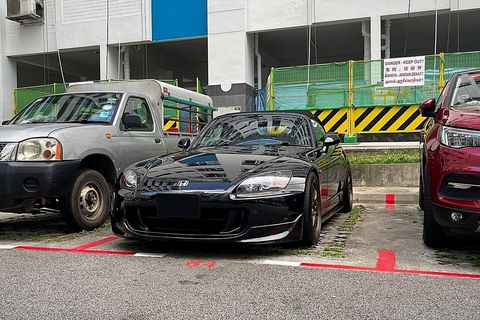
Start with the car that most people would call the modern high-water mark. The Honda S2000 is a front-engine, rear-drive roadster with a 2.0-liter four (later 2.2 in the US) that revs to 9,000 rpm and a gearbox that is arguably the best manual ever fitted to a production car. It is a driver's instrument first and a comfortable car second: the ride is firm, the cabin is snug, and the early AP1 cars have snappy limit behavior that rewards respect. Buy one with clean service history, watch for clutch and top wear, and you have a car that will outlast most of its rivals.
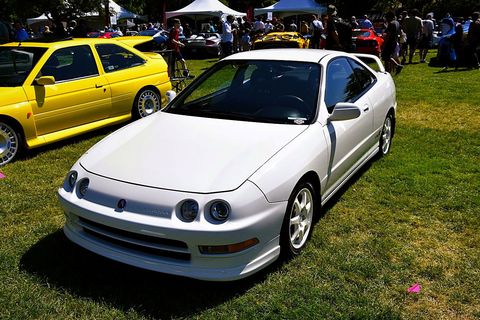
If you prefer front-wheel drive done to its absolute peak, the Acura Integra Type R is the benchmark. The hand-ported B18C5 makes its power up high, the chassis is stiffened and lightened over a standard Integra, and the whole car feels engineered by people who cared. The catch is scarcity and price: clean, unmodified examples are rare and expensive, and many have been thrashed or crashed. Verify the VIN and the engine, because clones exist.
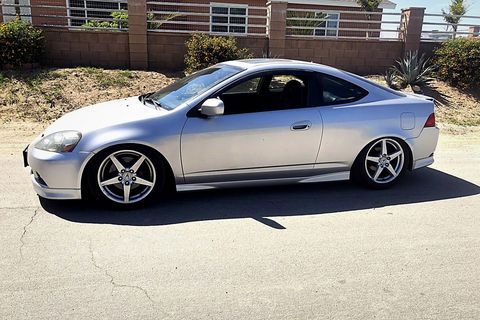
The Acura RSX Type-S is the sensible way into that same bloodline. Its K20 engine is torquier and more livable than the old B-series, the close-ratio six-speed is a joy, and parts are cheap and plentiful. It is less special than a Type R but far easier to own daily, and the 2005 to 2006 update sharpened the suspension and added power. This is the one to buy if you want a modern-feeling car without a collector-car budget.
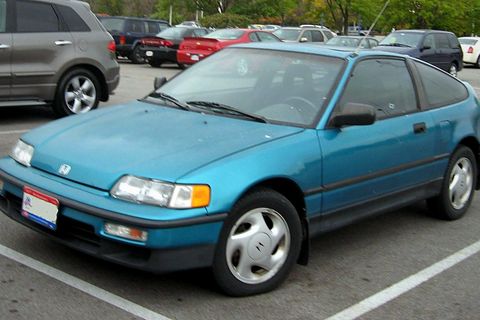
Go back a generation and the Honda CRX shows why light weight beats brute force. At well under 2,200 pounds, the second-generation CRX (especially the Si) is quick, frugal, and endlessly tossable. The downsides are age-related: rust, tired bushings, and the fact that survivors are increasingly modified. Find a rust-free shell and the mechanicals are simple to sort.
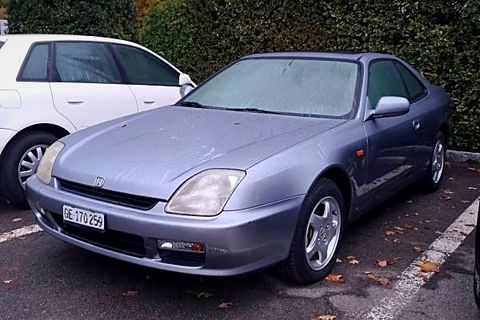
The Honda Prelude of this era is underrated. The fourth-generation car brought VTEC power and, on the top trim, pioneering four-wheel steering that makes it feel unusually planted and agile. It is more grand tourer than track weapon, comfortable and quietly quick, and prices remain reasonable. The mechanical four-wheel-steering system is durable but expensive if neglected, so confirm it works.
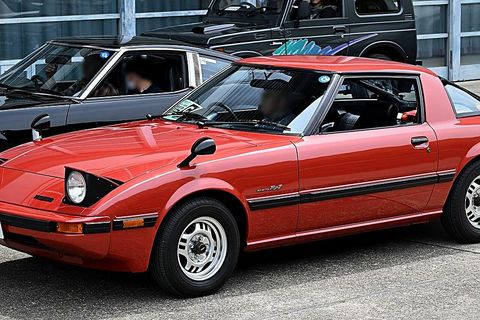
Now the rotaries, which are their own world. The first-generation Mazda RX-7 is a pure, light, pop-up-headlight coupe with near-ideal weight balance and the shriek of a 12A rotary. It is the most affordable way into RX-7 ownership and the simplest to work on, but any rotary demands an owner who understands apex seals, careful warm-up, and the importance of not flooding a hot start.
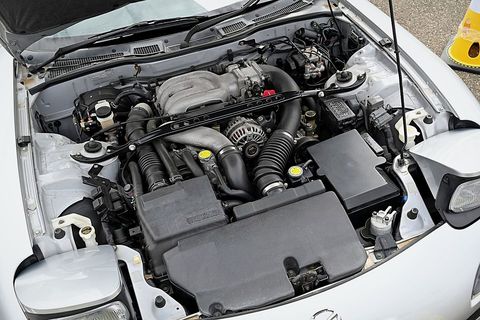
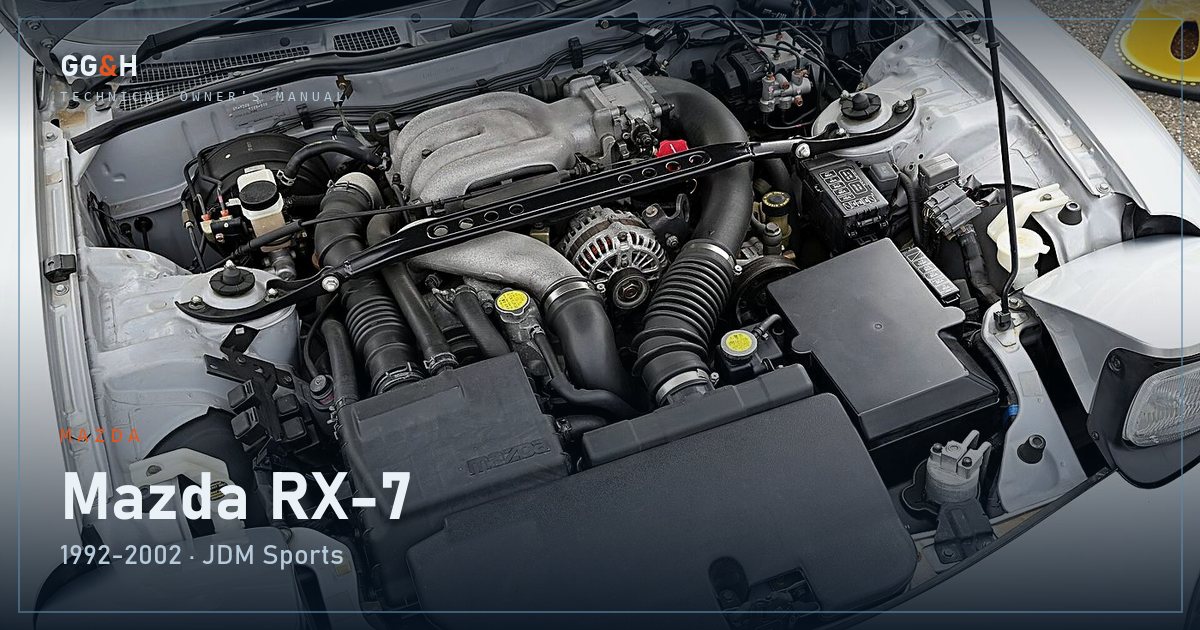
The car most people picture is the third-generation Mazda RX-7, the sequential-twin-turbo FD. It is stunning to look at, sublime to drive, and one of the great sports cars of the 1990s. It is also the one that punishes neglect hardest: the twin-turbo plumbing is complex, heat management is critical, and a tired engine means a rebuild. Buy the best you can afford, prioritize maintenance records over cosmetics, and budget for the rotary's shorter rebuild interval.
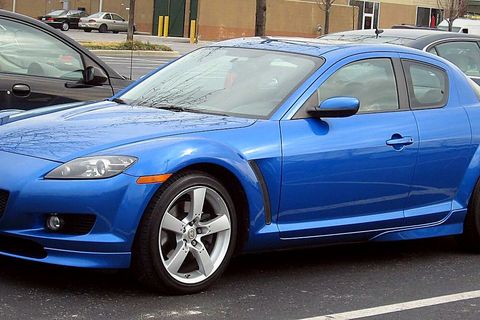
If the RX-7's demands scare you, the Mazda RX-8 offers rotary character with four seats and rear-hinged doors, all at a fraction of the price. The naturally aspirated Renesis loves to rev and the chassis is delightful. Be clear-eyed, though: these engines are known for flooding and for reaching low compression, so a compression test before purchase is not optional, and many cars now run rebuilt or replaced motors.
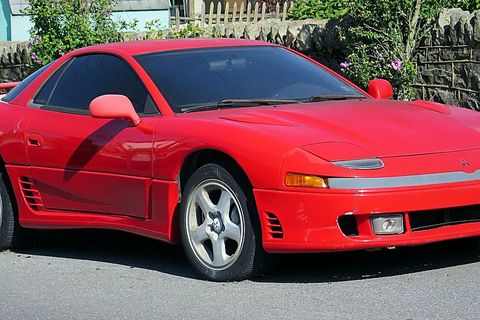
For a different flavor entirely, the Mitsubishi 3000GT VR-4 is a twin-turbo, all-wheel-drive technology flagship with active aero and four-wheel steering. It is heavy and complex, and that complexity is the whole story of ownership: when everything works it is a fast, secure grand tourer, but deferred maintenance on the turbos, transfer case, and electronics gets expensive quickly. Buy a sorted one, never a project.
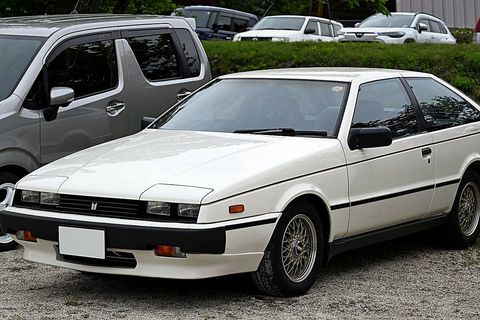
Finally, the wildcard. The Isuzu Piazza is a Giugiaro-designed wedge coupe with a chassis later fettled by Lotus, and it is rare enough to turn heads at any show. It is not the sharpest car here, and parts support is the obvious challenge, but for character and scarcity it delivers something none of the others can.
Whichever of these you chase, the difference between a great ownership experience and a money pit is knowing the car before you buy and maintaining it correctly after. Garage, Galley & Hangar publishes a model-specific owner's reference manual for each of these cars, written around exactly the systems, weak points, and service intervals that matter. Browse the full cars catalog to find yours, then go buy the good one.