The 1970s is the decade that rewrote the rules. At the start of it the big four-cylinder Japanese engine was a novelty. By the end of it the Universal Japanese Motorcycle (the UJM: an inline four, electric start, disc brakes, reliable and cheap) had become the default, and every other factory in the world had to decide whether to chase it or offer something the Japanese could not. That tension is what makes the era so rich. You get raw two-stroke violence, exotic Italian fours, big British twins fighting a rearguard action, and America's first factory custom, all sold at the same time. Here is a rider's tour of the best of them, warts included. This is for the owner who wants character, not just a spec sheet.
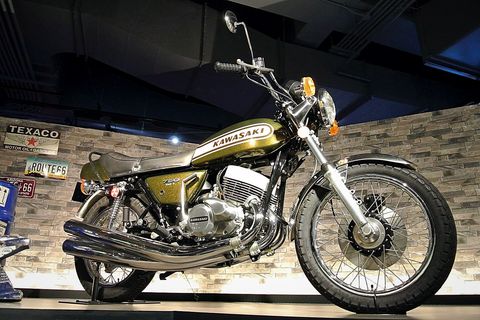
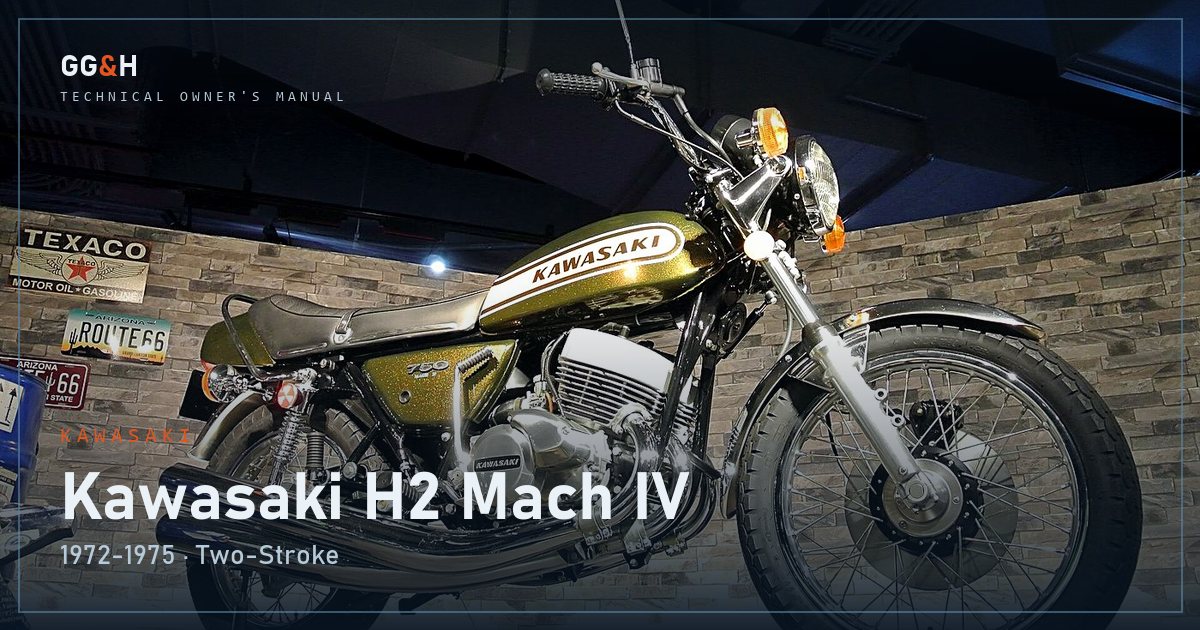
The Kawasaki H2 Mach IV is where the decade's reputation for danger comes from. A 750cc two-stroke triple with a narrow, peaky powerband and a chassis that was never quite ready for it, the H2 rewards a rider who plans ahead and punishes one who does not. Owners should budget for the appetite: it drinks fuel and premix oil, and fresh fork and swingarm bushings transform how it steers. Weak point: the frame flexes and the front brake is marginal by modern standards, so ride it for what it is.
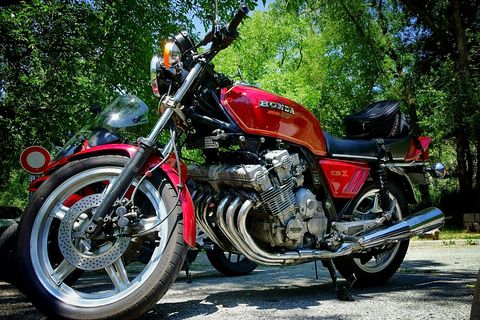
The Honda CBX is the opposite temperament and just as unforgettable. Its 24-valve air-cooled inline-six is one of the great engines Honda ever built, wide as a barn door and smooth as a turbine. Early bikes are the pure sport version; later ones added a fairing and softened into a sport-tourer. Know that the six is thirsty on carb balancing (six of them) and that the machine is heavy, but the sound alone justifies ownership.
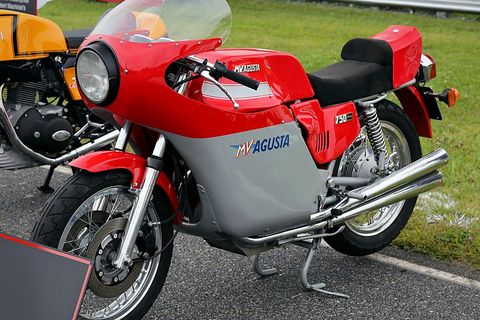
The MV Agusta 750S is the aristocrat. A shaft-drive DOHC four built by a company that dominated grand prix racing, it was sold in tiny numbers and priced so it would not embarrass the race team. It is jewelry that runs. Values are high and parts are scarce, so this is a collector's machine first and a rider's second, but few bikes carry more presence.
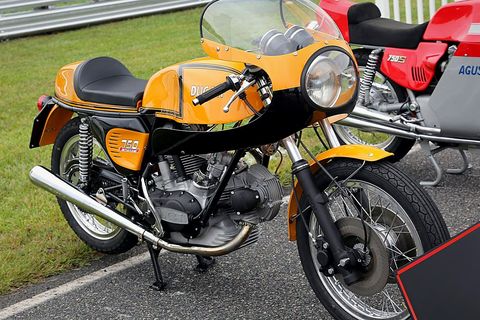
The Ducati 750 Sport is the handling benchmark of the era. The round-case bevel-drive V-twin gives it a long, low, planted feel that flatters a smooth rider on a fast road. The bevel-drive valve gear is beautiful and expensive to service correctly, so find a specialist before you buy, and keep the charging system honest.
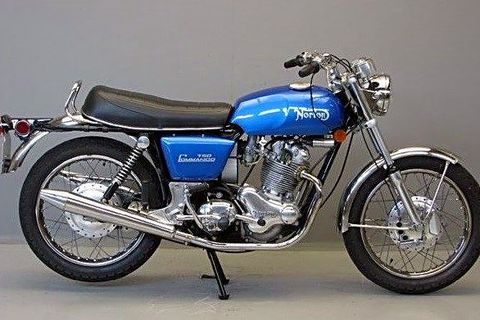
The Norton Commando 750 Roadster is Britain's best answer to the Japanese wave. The bare-tank Roadster is the definitive early Commando shape, and its Isolastic engine mounts smooth out the big parallel twin's vibration in a genuinely clever way. Those mounts need correct shimming to steer properly, and the twin will mark its territory with oil, but a sorted Commando is a lovely thing to ride.
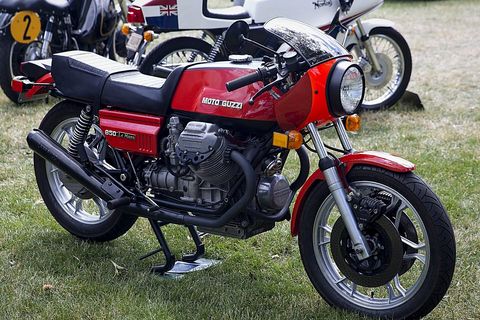
The Moto Guzzi 850 Le Mans defined Guzzi's sporting image. The transverse V-twin and shaft drive give it a distinctive lean-and-settle character, and the small handlebar fairing makes it look every bit the cafe racer it is. It is torquey and durable, though the linked brakes and quirky ergonomics take a few rides to learn.
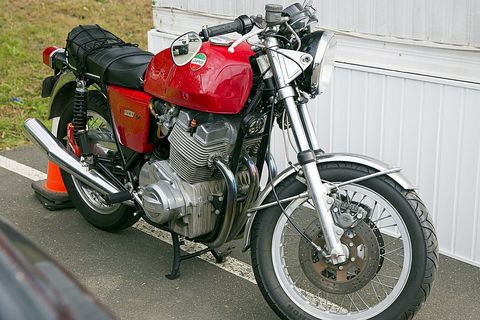
The Laverda 1000 3C is the muscular original triple that the hotter Jota grew out of. Heavy, tall-geared, and built like a bridge, it rewards a big rider on an open road. Electrics and the tall first gear are the things to sort; the engine itself is famously stout.
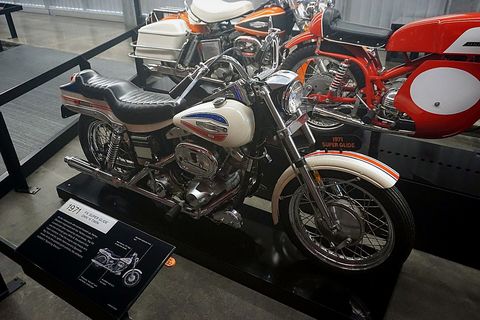
The Harley-Davidson Super Glide (FX) invented a whole category. Willie G. Davidson bolted a Sportster front end to the big-twin frame and created the factory custom, a look the whole cruiser world still copies. It is not fast and the early ones vibrate freely, but it is honest, easy to work on, and endlessly personalizable.
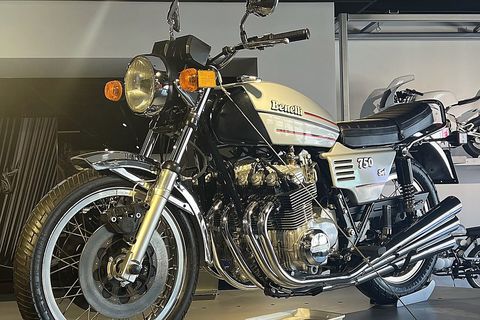
The Benelli Sei 750 was the world's first production six-cylinder motorcycle, its transverse engine essentially a Honda four with two more cylinders. It is smooth and exotic and narrower than you would expect, though it was never a performance leader and parts hunting is part of the deal.
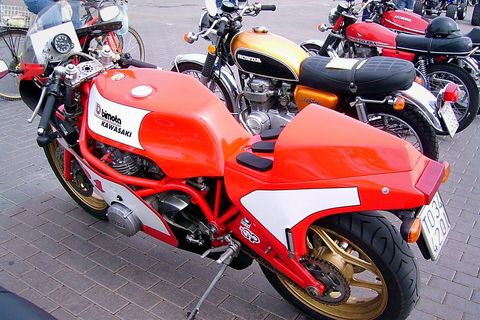
The Bimota KB1 closes the decade by pointing at the next one. Bimota took the Kawasaki Z1000 four and wrapped it in a jewel-like chrome-moly frame with hand-laid bodywork, proving a great engine deserved a great chassis. It is a specialist ownership proposition, but it handles like nothing else from the period.
Whichever of these speaks to you, the details matter, and that is exactly where a good manual earns its keep. Garage, Galley & Hangar makes a model-specific owner's reference for each of these bikes, written around the real service quirks, weak points, and setup notes that keep a 1970s machine running right. Browse the full motorcycle library at /garage/motorcycles/ and find the book for the one in your garage.