There is nothing else in motorcycling quite like a two-stroke on the pipe. The engine feels dead below the powerband, then the exhaust note hardens, the front end goes light, and everything happens at once. That sudden hit, the blue haze, the smell of premix: it is the character no four-stroke has ever managed to fake. For a certain kind of rider, that is the whole point.
Owning one today is a deliberate choice, and it helps to be honest about what that means. Two-strokes were engineered out of the mainstream by emissions rules, and most of the good ones are now thirty to fifty years old. Parts range from plentiful to nearly extinct depending on the model, top-end rebuilds are a routine part of ownership rather than a failure, and premix or oil-injection upkeep is a habit you cannot skip. Ride in a state or country with strict inspections and you should confirm the rules before you buy. None of that is a reason to stay away. It is simply the deal. Here are ten worth making it for.
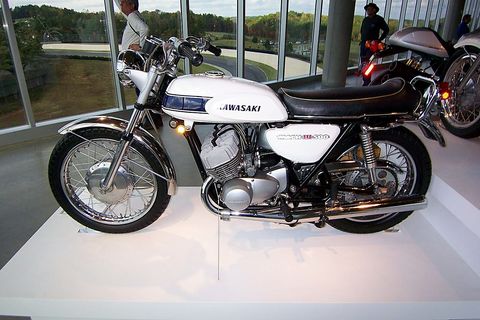
The Kawasaki H1 Mach III is the bike that built the legend and the warnings alike. Its 500cc air-cooled triple made brutal top-end power in a chassis that was not quite ready for it, and the front wheel came up whether you asked or not. An owner should treat the ignition and the three sets of points (later CDI) as the heart of the machine, keep the crank seals fresh, and respect that the handling rewards a light, deliberate hand. Parts support is surprisingly good thanks to a devoted following.
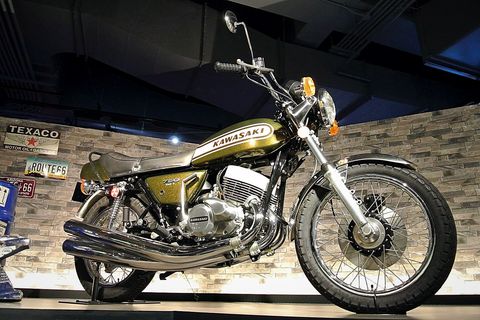
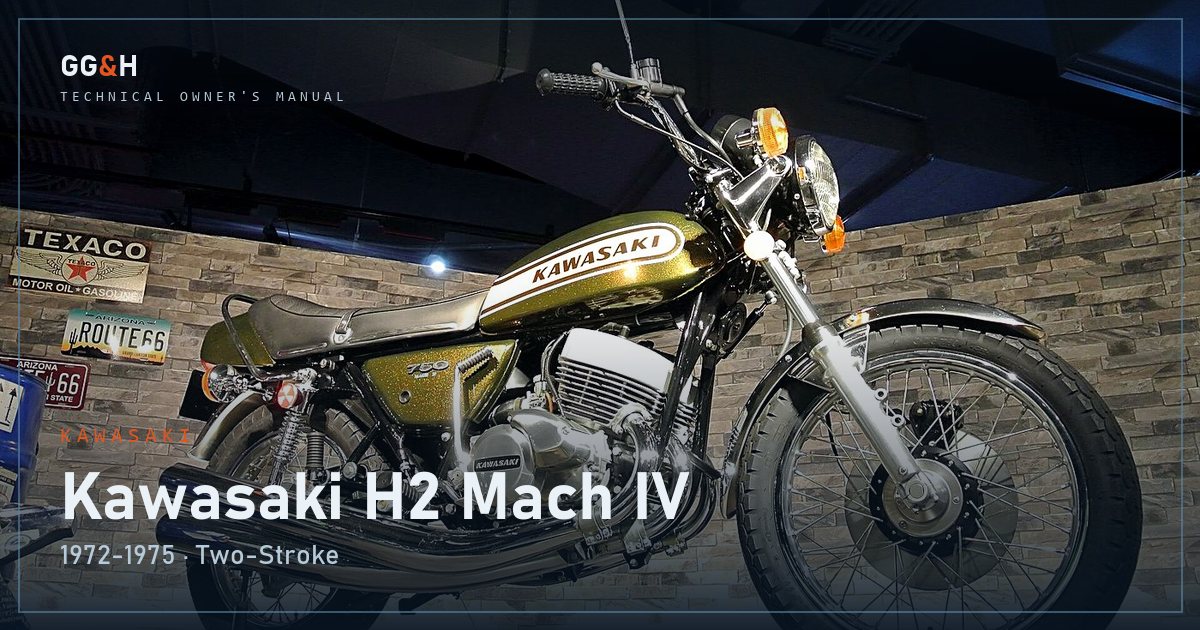
The Kawasaki H2 Mach IV took that formula to 750cc and became the defining superbike of the early seventies, feared and revered in equal measure. Values have climbed to match its reputation, so buy on condition and originality. Fuel consumption is heroic, vibration is real, and the reward is an experience that no modern machine replicates. Keep the carbs synced and the premix ratio correct and it will run for years.
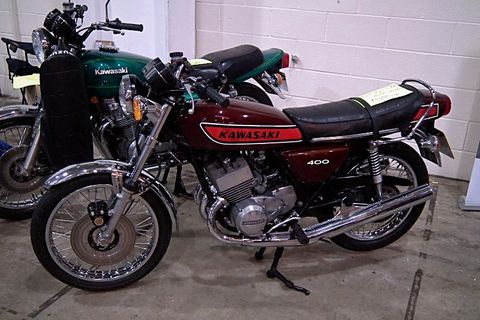
The Kawasaki S3 is the sane way into the triple club. A 400cc middleweight, later renamed KH400 as emissions rules tamed the line, it delivers the three-cylinder character in a lighter, cheaper, more forgiving package. Smaller triples like this are the smart first purchase: less money at risk, gentler power, and the same charm.
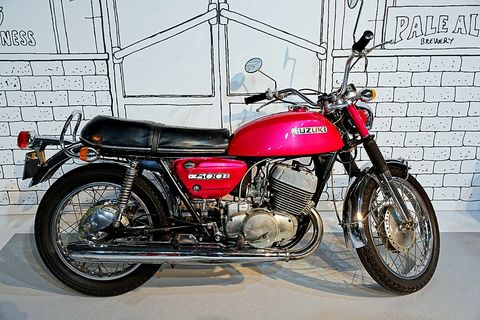
The Suzuki T500 is the two-stroke for riders who want to actually use one. Suzuki proved a large air-cooled 500 twin could be durable when critics swore it would seize, and it remains one of the most reliable and tractable classic strokers you can buy. Parts are reasonable, the engine is unstressed, and it makes an honest daily classic.
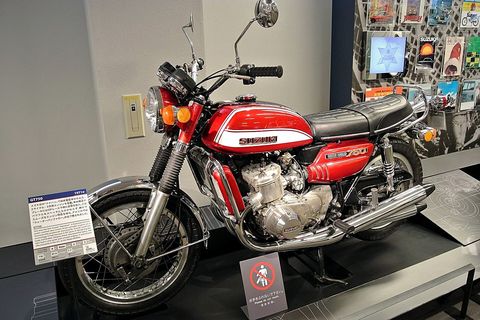
The Suzuki GT750, the liquid-cooled triple Americans nicknamed the Water Buffalo, is the grand tourer of the group. Where the Kawasakis are peaky and violent, the GT makes smooth, water-cooled power and will cover real distance. Watch the cooling system, keep the radiator and hoses honest, and enjoy a stroker you can two-up.
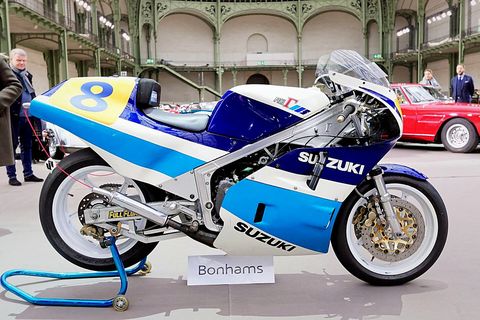
The Suzuki RG500 Gamma is as close to a grand-prix bike as the road ever got: a square-four built directly from the works racer, aluminum box-section frame and all. Ownership is specialist work, rotary-valve carburetion and four cylinders to keep in tune, and prices are firmly in collector territory. For those who can service it, nothing feels like it.
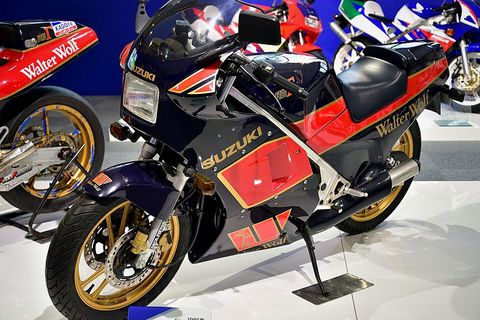
The Suzuki RG250 Gamma brought that grand-prix thinking to the quarter-liter class and was one of the first road bikes with a genuine aluminum frame and full fairing. It is lighter on the wallet than the 500 and every bit as engaging. Powervalve and carb cleanliness are the maintenance priorities.
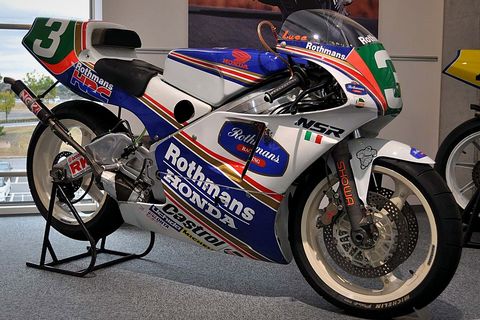
The Honda NSR250 is the V-twin jewel of the era, a Japan-market special now prized worldwide, with the MC21 and MC28 the ones collectors chase. Import paperwork, a scarcity of model-specific spares, and the notoriously complex PGM ignition on later bikes are the honest catches. Buy the best one you can find rather than a project.
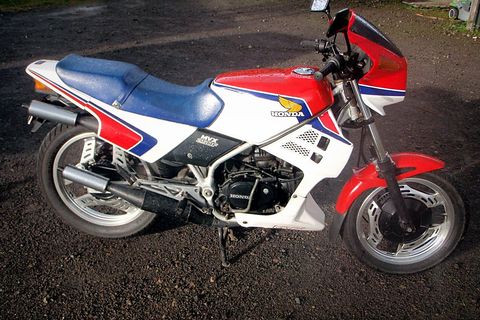
The Honda MVX250F is the fascinating cautionary tale: Honda's forgotten two-stroke V3, tied closely to Freddie Spencer's racer but dogged by piston seizures that killed it in a single year. It is a collector curiosity more than a rider, and parts are genuinely hard. Know what you are taking on.
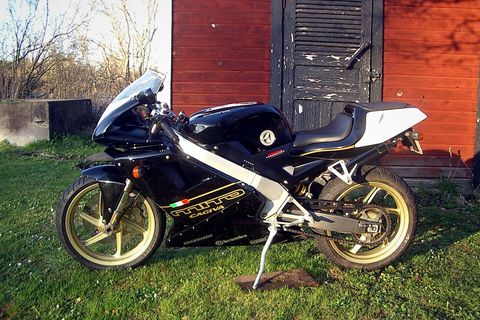
The Cagiva Mito closes on a high note: a 125cc two-stroke styled like a shrunken Ducati 916 that taught a generation of Europeans to ride like racers. Learner-legal in much of Europe, cheap to run, and a joy to rev, it is the most accessible bike here. Expect frequent top-end attention given how hard these are typically ridden.
Every one of these rewards an owner who understands the machine, and that is exactly what we build for. Garage, Galley & Hangar makes a model-specific owner's reference manual for each of these bikes, covering the systems, service intervals, and known trouble spots that keep a two-stroke alive. Browse the full catalog at /garage/motorcycles/.