A superbike is not just a fast motorcycle. The word comes from a racing class, and the road bikes that earned it are the ones built close enough to a homologation racer that you can feel the intent in the clip-ons, the riding position, and the way the engine wakes up at the top of the tach. A superbike is a liter-class (or near it) sportbike engineered to be raced first and civilized second. This is a list for riders who understand that trade, who want to know why these machines matter, what they are like to live with, and where each one will bite you.
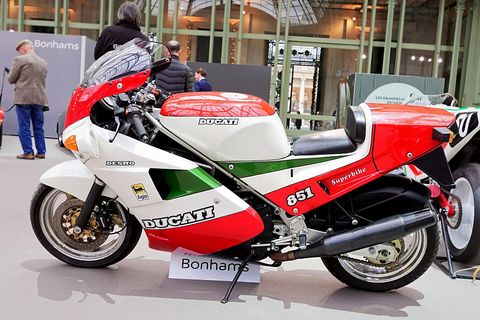
The story really starts with the Ducati 851. It was Ducati's first liquid-cooled, four-valve, fuel-injected desmo, and it launched the belt-drive Superbike line that would define the brand for a generation. Ridden today it feels narrow, tall, and mechanical in the best way, a bike with real character rather than raw speed. Know going in that it is a maintenance commitment: desmo valve service and belt changes are not optional, and early fuel injection can be fussy. Buy on documented service history, not on paint.
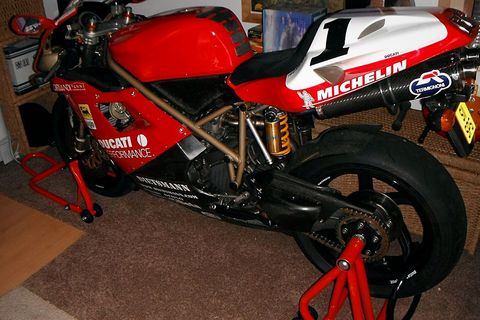
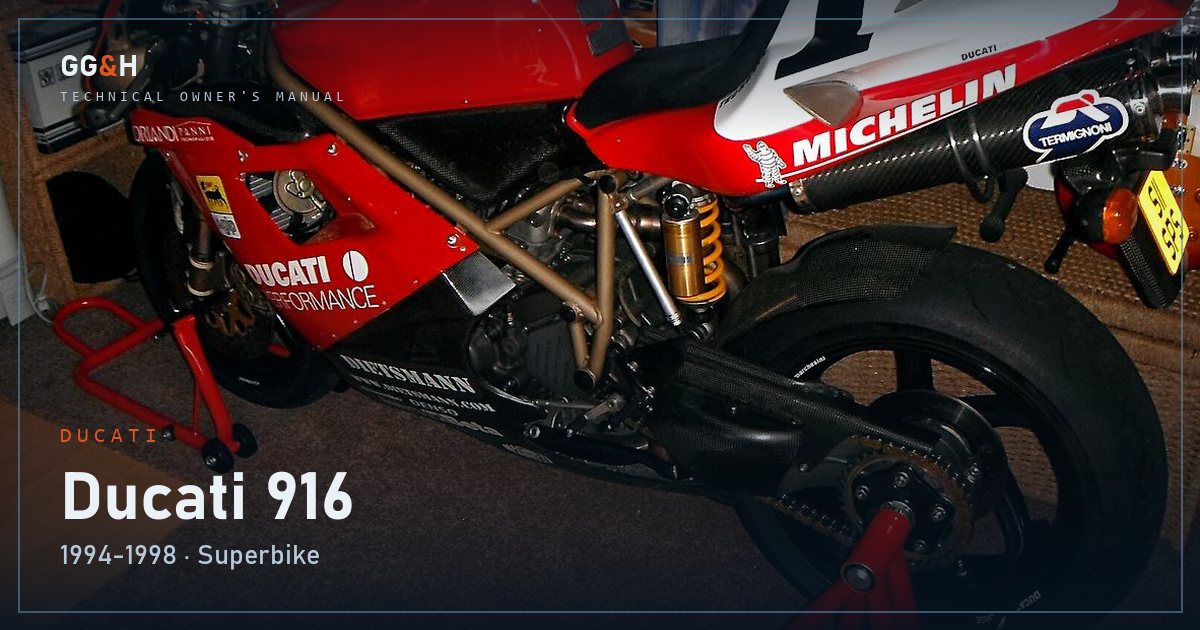
Everything the 851 promised arrived fully formed in the Ducati 916. Massimo Tamburini's design, with its underseat exhausts and single-sided swingarm, is routinely called the most beautiful sportbike ever built, and the shape has aged better than almost anything on two wheels. It backs the looks with genuine chassis poise. The honest catch is ergonomics and heat: the riding position is committed, the cockpit runs hot, and parts prices reflect the icon status. It is a bike to ride on a great road, not to commute on.
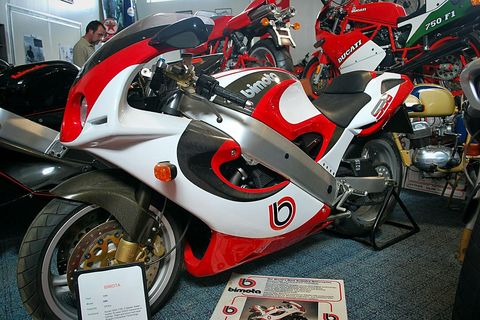
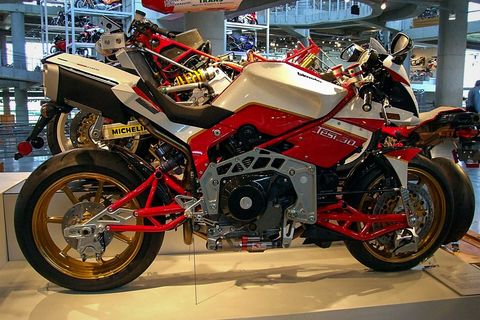
For a different flavor of the era, the Bimota SB6 shows what a tiny Italian house could do with someone else's engine. Bimota hung a Suzuki GSX-R1100 motor in a hand-built aluminum beam frame, and the result became their best seller. The reward is a rock-solid, bulletproof Suzuki engine wrapped in jewelry-grade chassis work. The risk is everything around that engine: Bimota-specific bodywork, fasteners, and trim are scarce and expensive, so a complete, unmolested example is worth chasing.
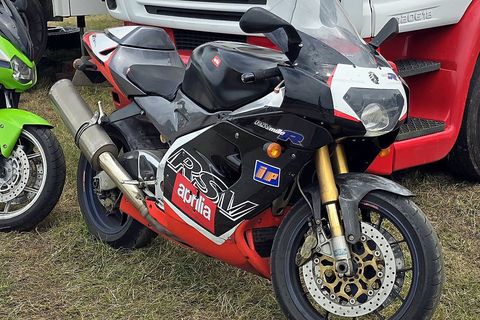
The Japanese fours pushed the twins hard, and Aprilia answered with the Aprilia RSV Mille, its first big V-twin superbike. The Rotax 60-degree engine, with a clever anti-hop clutch, gave it torque and stability the fours could not match on a tight track. It is arguably the value pick of this whole list: fast, comfortable by superbike standards, and still affordable. Watch for aging electrics and regulator/rectifier trouble common to bikes of this age.
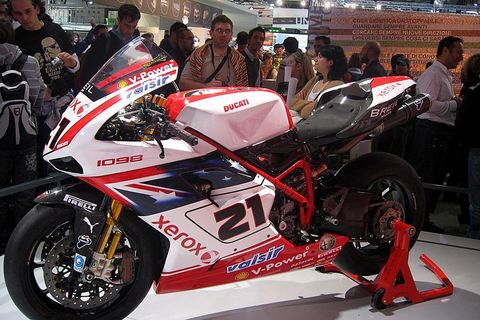
Ducati returned to the top of the class with the Ducati 1098, which brought back single-sided swingarm styling and a 1099cc twin making a claimed 160 horsepower. It is the last of the truly analog big Ducati twins in spirit, savage in its midrange and thrilling in a way modern bikes engineer out. The trade is heat and a race-firm ride, plus the usual desmo service costs. A short two-year run makes clean ones desirable.
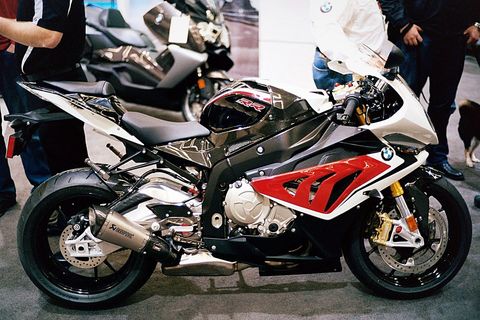
Then BMW rewrote the rules. The asymmetric-headlight BMW S1000RR was the company's first inline-four superbike, and it arrived with class-leading power and a genuinely usable electronics suite that instantly made rivals feel old. It is fast, reliable, and comparatively cheap to run, the sensible choice if you want superbike pace without Italian upkeep. The only knock is character: it is so competent it can feel clinical.
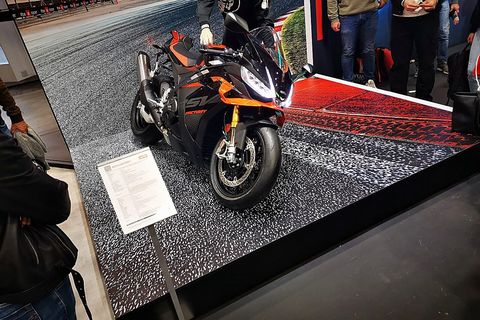
Aprilia's counterpunch, the Aprilia RSV4, answered competence with soul. Its compact narrow-angle V4 sounds unlike anything else and carried Aprilia to multiple World Superbike titles. It steers beautifully and feels like a factory racer with plates. Expect a snug cockpit, premium service costs, and the reality that its brilliance is best appreciated at real speed.
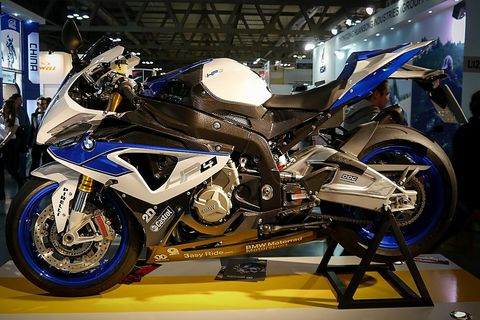
Two outliers round out the list. The BMW HP4 was a lightweight, limited S1000RR and the first superbike with semi-active suspension, its Dynamic Damping Control adjusting in real time. It is a landmark and a collectible, so values and parts reflect that. And the Bimota Tesi 3D rejects the front fork entirely, using hub-center steering that almost no production bike has ever attempted. It is more rolling engineering statement than everyday tool, fascinating to ride and genuinely specialized to maintain.
These are motorcycles that reward knowing them deeply. Garage, Galley & Hangar makes a model-specific owner's reference manual for each bike here, written for the person who actually turns the wrenches and rides the miles. Browse the full motorcycle library at /garage/motorcycles/ and find the manual for the one in your garage, or the one you are still dreaming about.