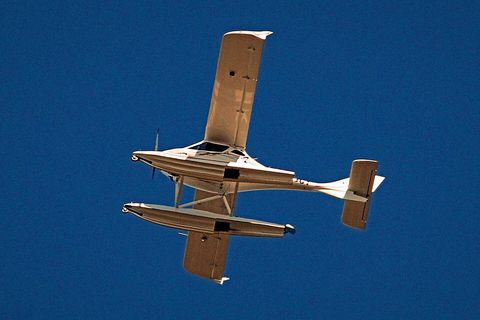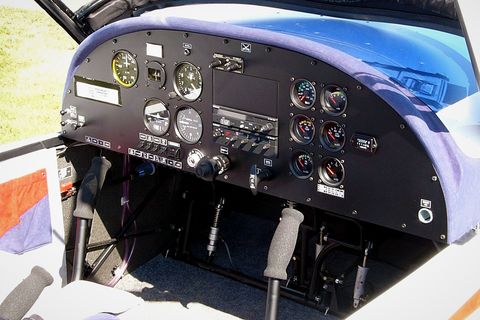
Light-sport aircraft exist to lower the wall around flying. The category, created by the FAA in 2004, caps a plane at two seats, a modest gross weight, and a top speed that keeps things manageable, and it pairs with the sport pilot certificate: fewer required training hours than a private certificate, and, for many pilots, the ability to fly on a valid driver's license in place of a third-class medical. The result is a simpler, cheaper way into the left seat. That does not make an LSA a toy. These are real airplanes that demand real training, careful weight-and-balance discipline, and honest respect for weather and wind. What follows are nine LSA worth a new owner's attention, each with the character and the caveats that come with it.
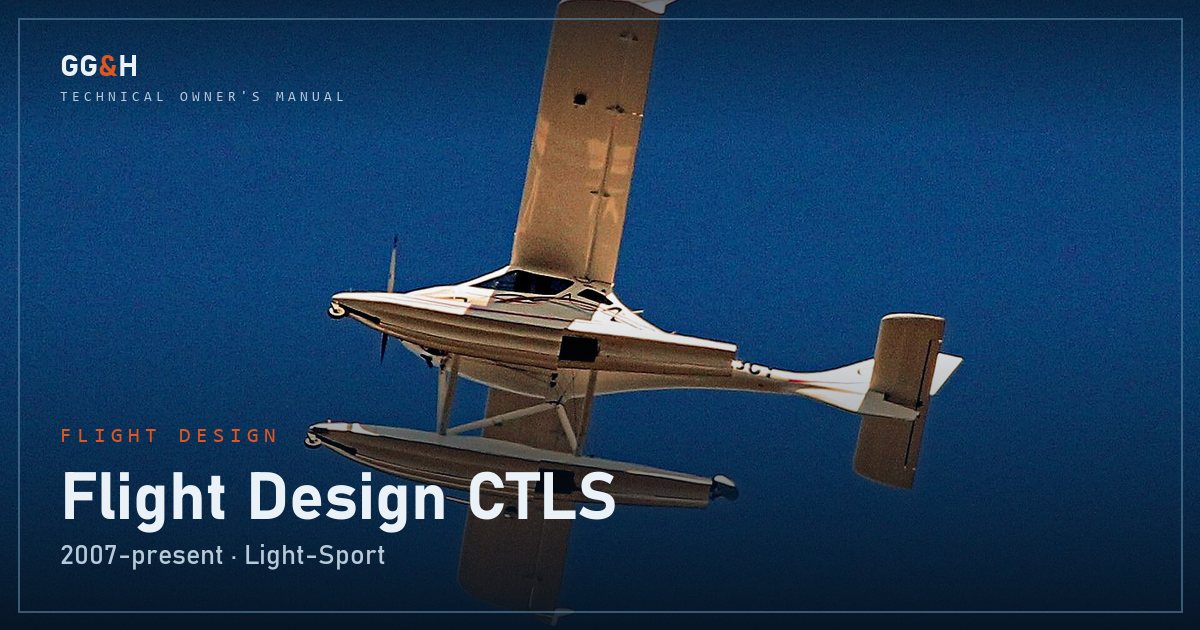
The Flight Design CTLS is where many new owners start their shopping, and for good reason. The glass-cockpit evolution of the CT line pairs the proven Rotax 912 with a whole-airframe ballistic parachute fitted as standard, a genuine peace-of-mind feature for a first airplane. It cruises fast and burns little fuel. The tradeoff is that the composite airframe and light wing loading can feel busy in gusts, so it rewards a pilot who stays ahead of it.
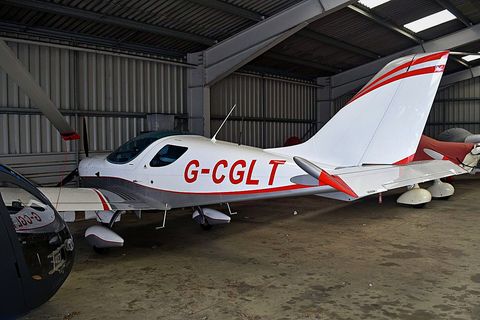
The Czech Sport Aircraft SportCruiser is one of the most numerous special light-sport types on the US register, and was sold for a stretch as the Piper PiperSport. That popularity matters to a first-time buyer: parts, mechanics, and other owners are easy to find. It is a roomy, conventional low-wing that handles predictably. Buy on condition and logbooks, as with any used airplane, and confirm which era of factory support your particular hull falls under.
The Evektor SportStar holds a footnote in the record books as the first aircraft to earn an FAA Special Light-Sport airworthiness certificate, back in 2005. Two decades on it is a sensible, all-metal trainer-style two-seater: forgiving, well understood, and widely used in flight schools, which means an owner benefits from a deep pool of instructor familiarity.
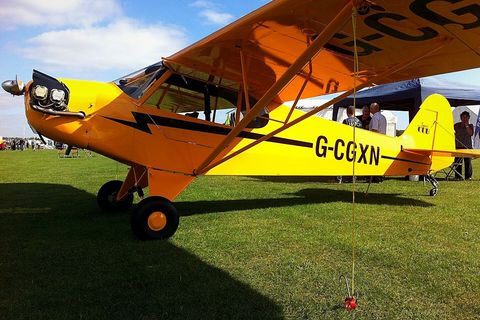
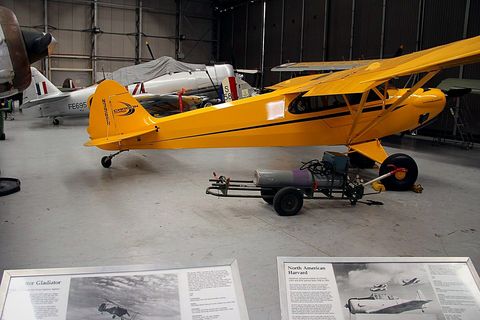
If your idea of flying involves grass, tailwheels, and open doors, the American Legend AL3 Legend Cub delivers it. It is a faithful factory reproduction of the Piper J-3, with the classic door and window that swing open together for warm-weather flying. Be honest with yourself first: this is a taildragger, and tailwheel flying asks for footwork and currency that a nosewheel airplane does not. Get the training and the reward is one of aviation's purest experiences.
The CubCrafters Sport Cub S2 is the factory-built sibling of the company's Carbon Cub line, assembled to the same specification an owner would build from the kit, so the two share a common parts pool. It is a modern, capable backcountry-flavored LSA with short-field manners. It is also a premium airplane, and pricing reflects that, so weigh the purchase against how often you will actually use its off-airport talents.
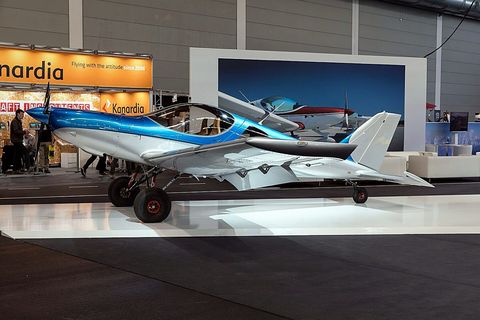
The BRM Aero Bristell answers a common complaint about early low-wing LSA: cramped cockpits. Its 51-inch cabin and long-span wing make room for larger pilots and two-up comfort on longer legs. It is a refined, well-finished airplane, and a good fit for an owner who plans to travel rather than just bore holes in the local pattern.
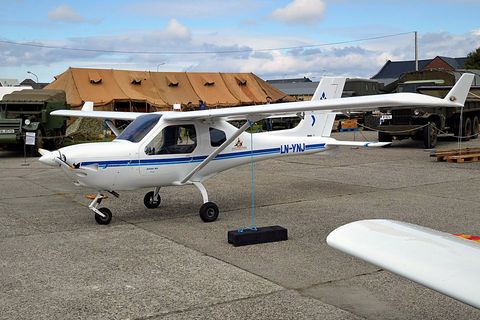
The Jabiru J170 takes an unusual path by using Jabiru's own 2200 flat-four engine rather than the near-ubiquitous Rotax. The appeal is that airframe and engine come from a single manufacturer's parts system. The flip side is that you are committing to that ecosystem, so line up your maintenance support before you buy, and understand the engine's service history and quirks.
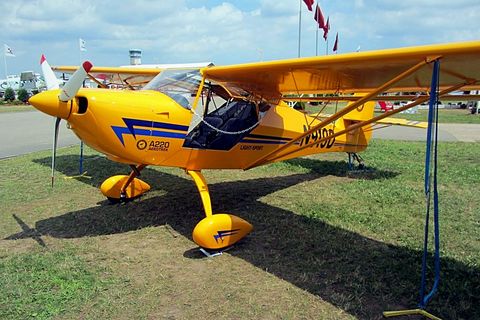
The Aeropro Aerotrek A220 is the practical answer to the hangar-rent problem. Its wings fold in minutes, so the tricycle-gear two-seater can live on a trailer or in a compact space. That convenience genuinely changes the ownership math for pilots without a hangar, though folding and unfolding becomes part of your routine, and it must be done correctly every time.
Finally, the Flight Design CTSW is worth knowing as the shorter, earlier CT that defined the high-cruise composite LSA class before the CTLS replaced it. On the used market it can represent strong value, with the caveat that it is an older design: check the parachute repack currency, the airframe hours, and the availability of type-specific support.
None of these airplanes is the single best light sport aircraft, because the right one depends on your mission, your budget, and how you want to fly. Match the airplane to honest goals, get thorough type-specific training, and treat the sport pilot rules as a floor rather than a ceiling for your skills. Garage, Galley & Hangar makes a model-specific owner's reference manual for each aircraft here, covering systems, inspections, and the ownership details that matter once the sale closes. Browse the full aircraft catalog to find yours.