Owning a piece of aviation history is more attainable than most people assume. You will not be buying a Mustang or a Spitfire on a technician's salary, but the trainers, liaison ships, and postwar taildraggers that filled the skies in the 1940s and 1950s are real, flyable, and often cheaper to buy than a new economy car. What they ask in return is honesty: a tailwheel endorsement earned with a patient instructor, a mechanic who knows fabric and old engines, and the discipline to keep an aging airframe airworthy. Here are ten aircraft that a determined enthusiast can actually own and fly.
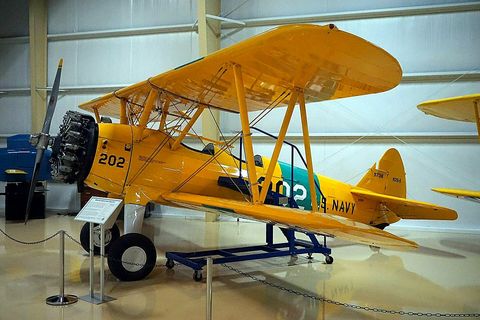
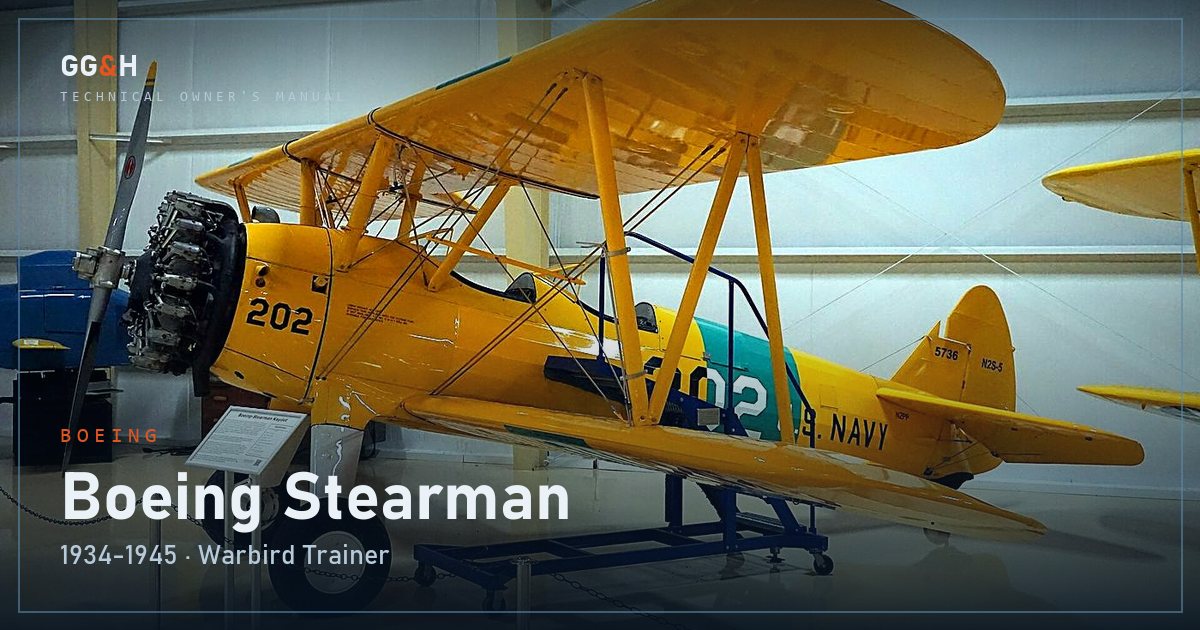
Start with the airplane most people picture when they hear "warbird trainer." The Boeing Stearman is the open-cockpit biplane that taught a generation of military pilots, and its parts support and community are deeper than almost anything else on this list. It is a joy for sport flying and formation work, but it is a big, heavy biplane with a radial engine and a narrow gear stance. Insurance and hangar space cost real money, and a round-engine annual is not cheap. Budget accordingly and get proper transition training before you fly one.
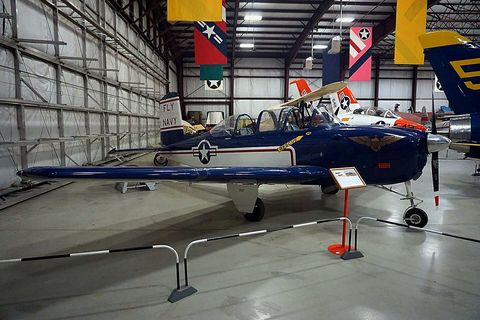
The Beechcraft T-34 Mentor is a Bonanza-derived piston trainer with tandem seats and genuine military lineage, and it is the one airplane here that comes with a hard homework assignment. The fleet is under an FAA wing-spar inspection mandate tied to fatigue cracking, and an owner must track and comply with it. A T-34 with the inspection and any required modification current is a wonderful, capable airplane. One without is a liability, so verify the paperwork before you fall in love.
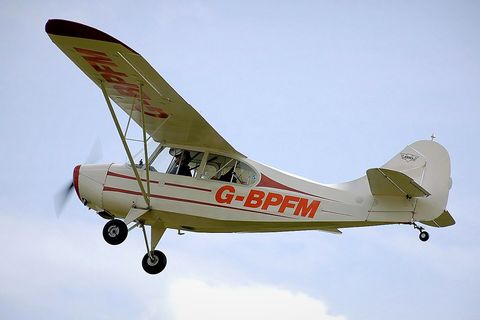
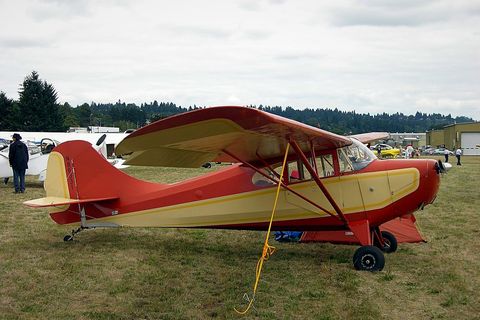
For a gentler and far cheaper entry, the Aeronca family is hard to beat. The Aeronca 7AC Champion put the pilot up front in tandem seating behind a 65 hp Continental, and more than 7,000 were built as the postwar rival to the Piper Cub. It is light, honest, and forgiving, though 65 horsepower means you plan around density altitude and wind. The side-by-side Aeronca 11AC Chief shares much of that airframe and engine but seats two abreast, which some owners prefer for the sociability and the easier conversation on a cross-country. Both are fabric airplanes, so a covering job is the big-ticket item lurking in any purchase.
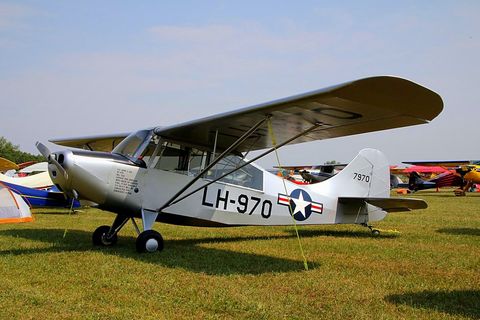
If you want the same airplane with a military story, the Aeronca L-16 is the liaison version of the 7 series, sold surplus and frequently restored in Army olive drab by warbird-minded owners. It flies like the Champ it is based on, which is to say approachably, and it gives you the ramp presence of a warbird for a fraction of a fighter's cost. Check that any "restoration" is honest fabric and structure, not just a paint scheme over tired bones.
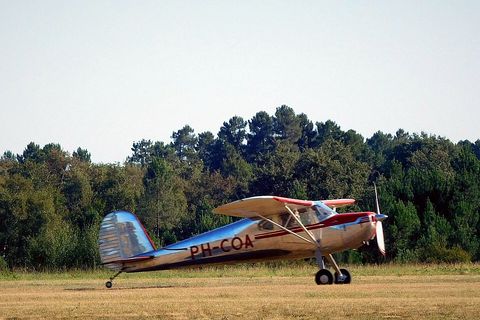
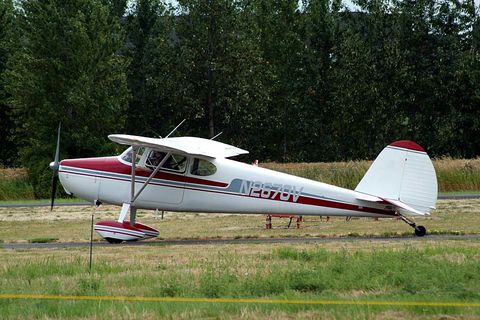
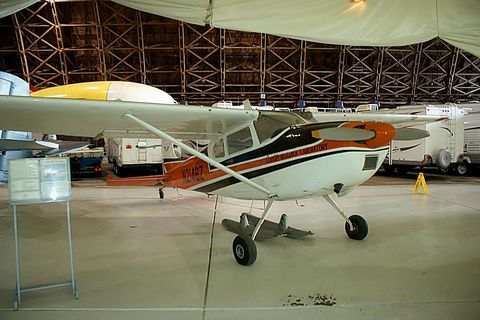
Cessna's postwar taildraggers are the practical heart of this segment. The Cessna 140 adds flaps and rear windows over its stripped-down sibling and is a favored first taildragger: all-metal on later airplanes, widely supported, and cheap to run behind a small Continental. Step up to the four-seat Cessna 170, with its 145 hp Continental O-300 and, on the prized 170B, the big para-lift flaps that make short fields manageable. The 170 is the sweet spot for a family taildragger, though good ones are no longer cheap and clean examples sell fast.
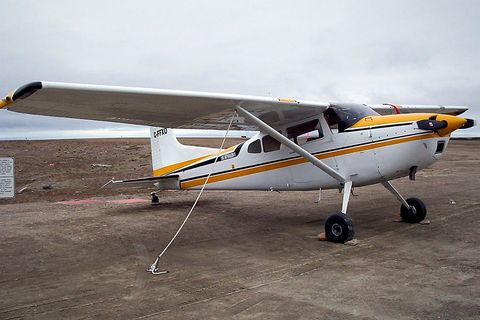
When you want to actually haul something, the Skywagons earn their reputation. The Cessna 180 Skywagon is a 230 hp workhorse with strong demand from float and backcountry flyers, which keeps resale values stubbornly high and means you pay to play. The Cessna 185 Skywagon is the beefed-up, 300 hp six-seat hauler with a strengthened airframe, equally at home on floats or skis. Both are serious tailwheel airplanes with real performance, and both reward a current, proficient pilot while punishing a rusty one. Recurrent training is not optional here.
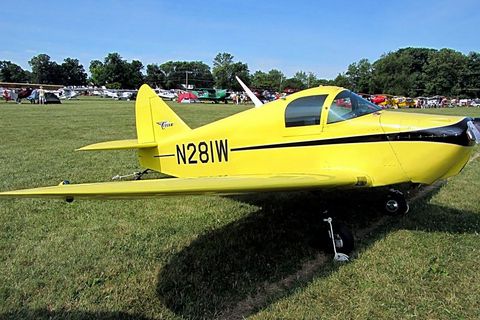
Finally, for something rare and a little exotic, the Culver Cadet LFA is an early retractable-gear wood two-seater designed by Al Mooney, remarkably fast on low power. It is scarce today, and that scarcity is the whole story: wood airframes demand careful inspection for glue and moisture, parts are hard to find, and you will need a shop that understands the type. Buy one for the engineering and the challenge, not for easy weekend flying.
None of these are toys. Every one demands a tailwheel-competent pilot, an honest pre-buy inspection by a mechanic who knows the type, and a realistic reserve for annuals, fabric, and old engines. But that is exactly what makes them reachable: they are maintained by people, not by corporations, and the knowledge is shared freely in type clubs that have kept these airplanes flying for decades.
Garage, Galley & Hangar makes a model-specific owner's reference manual for each of these aircraft, written for the person who actually turns the wrench and preflights the airplane. Browse the full aircraft catalog at /hangar/ to find the manual for the warbird or taildragger you are chasing.