The 1970s were the high-water mark of general aviation. American factories rolled out light aircraft by the tens of thousands a year, a pace the industry has never matched since. Cessna, Piper, Beechcraft, and a crowd of smaller builders competed hard, and the result was a golden run of designs that are still the backbone of the fleet flying today. If you are shopping for a first airplane, a family cruiser, an aerobatic mount, or your first turbine, most of the affordable, well-understood options trace to this decade. What follows is a look at ten aircraft from our catalog that defined the era, with honest notes on what each one asks of an owner. None of these is a casual purchase: every airplane here demands training appropriate to the type, a trustworthy annual inspection, and a realistic maintenance reserve.
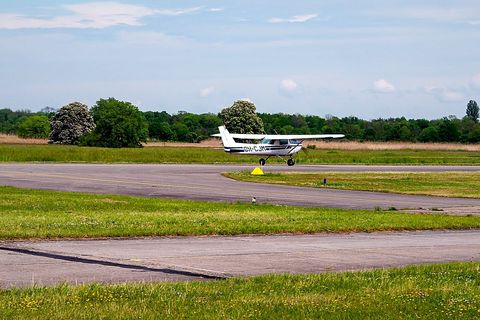
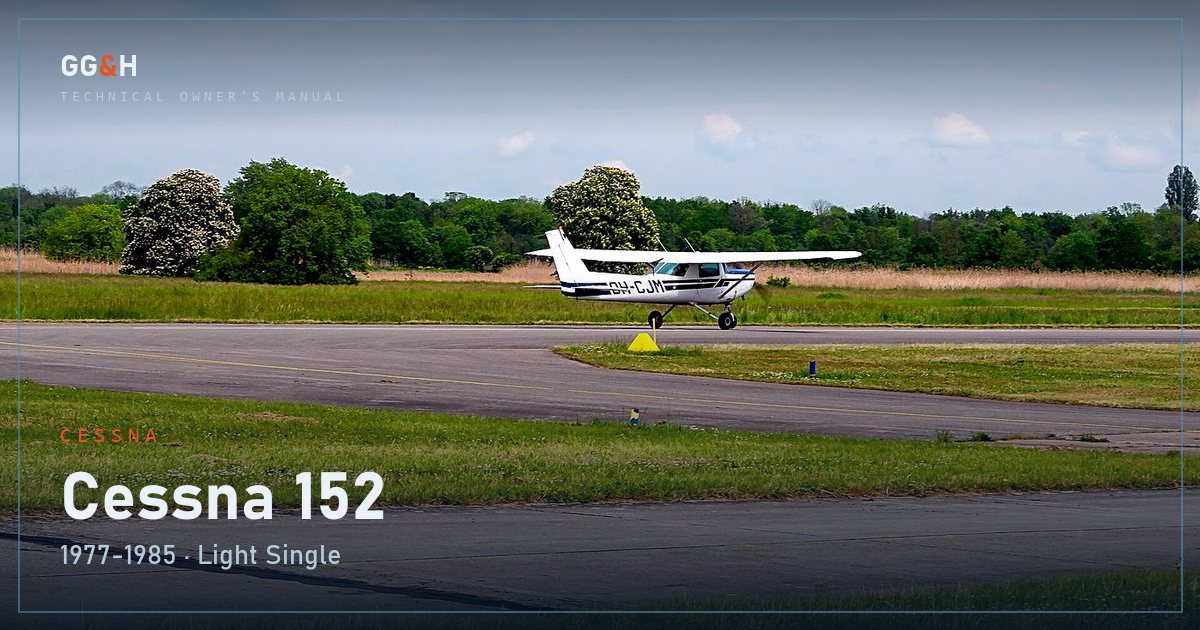
The Cessna 152 is where a huge share of American pilots learned to fly, and it is still the sensible first airplane for many owners. A 110-horsepower Lycoming, docile manners, and a deep parts network make it cheap to run by aircraft standards. It is genuinely a two-seater with modest baggage, so temper your expectations, and on any prospective purchase have a mechanic check for the classic trouble spots: nosewheel shimmy and firewall corrosion.
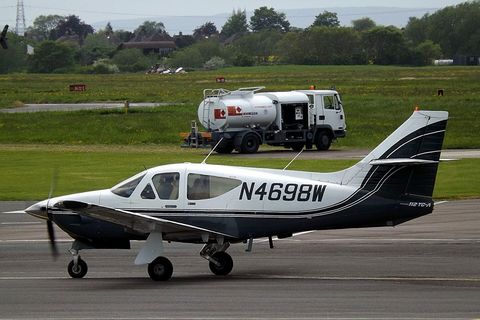
The Commander 112 offers a big step up in comfort and ramp presence, a retractable-gear four-seater with a roomy cabin. Buyers should go in clear-eyed: the early 200-horsepower models are widely considered underpowered for the airframe, so many shoppers hold out for the turbocharged 112TC or the more powerful 114. Retractable gear also means a more involved annual and a complex-endorsement level of training.
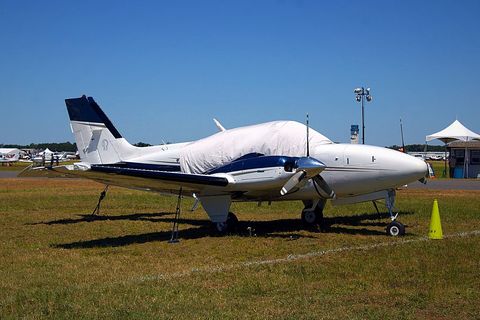
For owners who need to carry people and cover distance in most weather, the Beechcraft Baron 58 is one of the most respected piston twins ever built. It stayed in production long enough that late airframes carry Garmin G58 glass. It is also a serious commitment: a twin means two engines to overhaul, a multi-engine rating, recurring proficiency, and running costs that dwarf any single on this list.
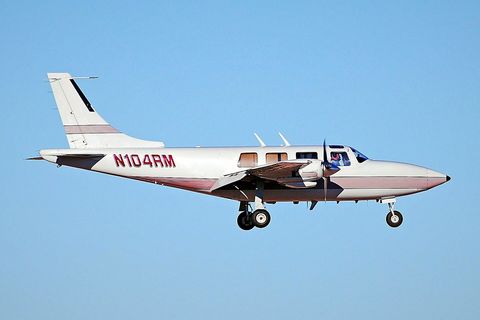
The Aerostar 601P is the speed enthusiast's twin, a pressurized design that remains among the quickest piston twins ever certified. That performance comes with a demanding personality and a systems-heavy airframe, so type-specific training and a shop that knows Aerostars are not optional. Pressurization adds another maintenance item you cannot ignore.
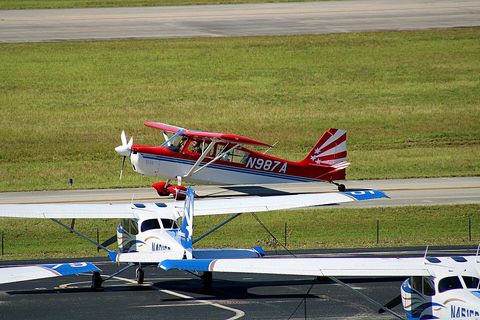
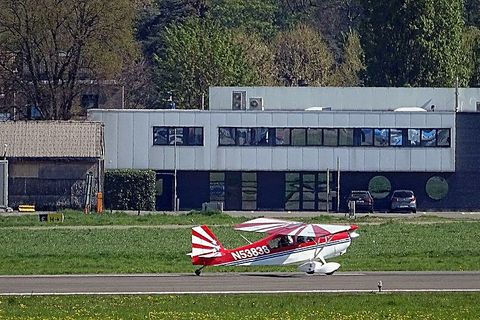
Two closely related taildraggers cover the aerobatic side. The American Champion 8KCAB Super Decathlon is the standard entry-level aerobatic trainer on flight-school ramps, with 180 horsepower and a symmetrical wing for upright and inverted work. Its direct ancestor, the Bellanca 8KCAB Decathlon, brought that inverted-capable airfoil to market first. Both are fabric-covered taildraggers, which means tailwheel skill, careful attention to covering condition and wing-spar airworthiness, and respect for aerobatic airframe limits and recurring inspections.
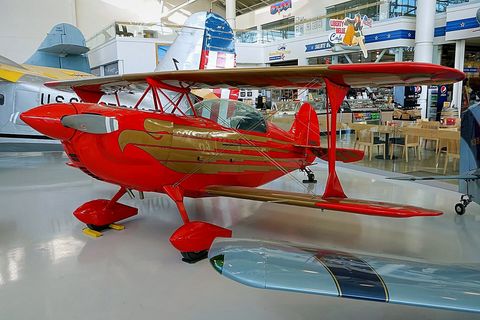
If you want to build rather than buy, the Aviat Christen Eagle II is the benchmark aerobatic biplane kit, famous for manuals so thorough they set a standard for the whole homebuilt world. A finished Eagle is a capable competition and sport machine, but it is a multi-year construction project, and as an experimental aircraft it carries its own operating and inspection rules.
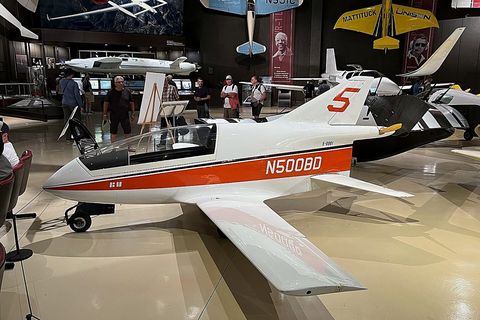
The Bede BD-5 belongs on any 1970s list for its ambition and its cautionary tale. The tiny single-seat pusher captured imaginations, and its jet version even appeared in a James Bond film, but its development was troubled and its safety record demands genuine respect. Treat any BD-5 as a project for an experienced, well-supported builder, not a first airplane.
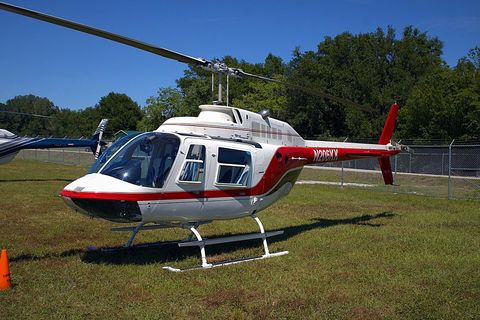
On the turbine side, the Bell 206B JetRanger III is the classic first turbine helicopter for private owners and small operators, with a five-seat cabin and one of the deepest parts and maintenance networks in rotorcraft. Turbine helicopter ownership is another world of cost and currency, though, from component time-limits to the training a rotorcraft rating requires.
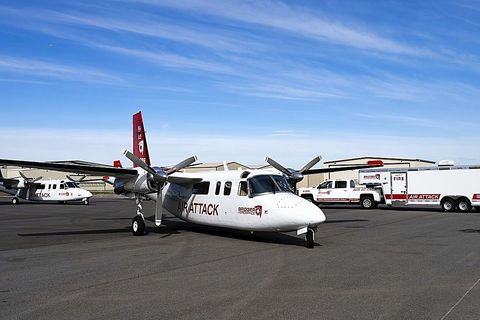
Finally, the Aero Commander 690 represents the fast, capable end of piston-era general aviation moving into turboprops. This high-wing Garrett twin is the type Bob Hoover flew in his famous energy-management airshow routines. It is a professional-grade airplane with professional-grade operating costs, best suited to owners ready for turbine training and a structured maintenance program.
Whichever of these fits your mission and budget, the right paperwork matters as much as the right airframe. Garage, Galley & Hangar makes a model-specific owner's reference for every aircraft here, written around the systems, quirks, and inspection points that define each type. Browse the full lineup at the Hangar, and buy the manual before you buy the airplane.