Restoring a classic motorcycle is one of the few hobbies that gives you back exactly what you put in: patience, money, and a fair amount of skinned knuckles, returned as a machine you understand down to the last fastener. The reality is less romantic than the auction reels suggest. Parts hunting can take longer than the actual wrenching, and a cheap running bike often costs more to finish than a tidy one bought right. This guide is for the rider who wants a project with a real payoff at the end, so here are ten classics worth the effort, with honest notes on what you are signing up for.
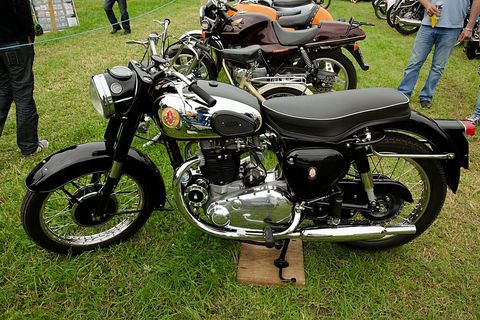
Start with the sensible British twins. The BSA A10 Golden Flash is a pre-unit 650 that spent its working life hauling sidecars and touring couples, which tells you everything about its temperament: torquey, unstressed, and forgiving of a novice's mistakes. Parts support is excellent, with specialists in the UK and US carrying nearly everything, and the engine is simple enough to rebuild on a kitchen bench. Watch for worn crank bushings and the usual British oil weep, and budget for an electrical upgrade if you want reliable night riding.
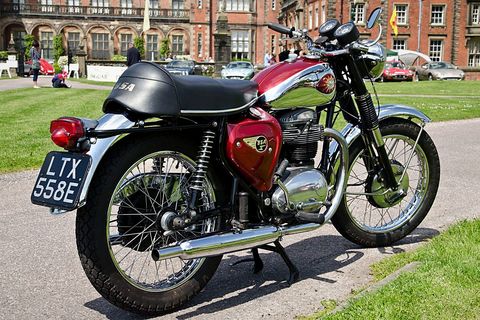
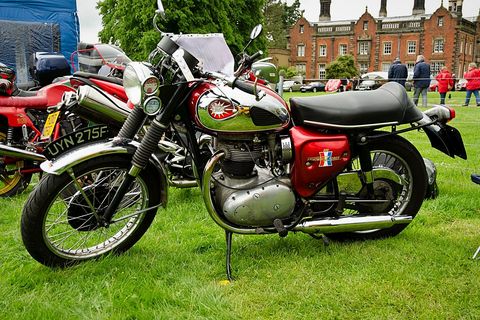
Its later cousin, the BSA A65 Thunderbolt, moves to unit construction and a single carburetor, which makes it the easy-going member of the A65 family (the twin-carb BSA A65 Lightning is quicker but fussier to keep in tune). The Thunderbolt is a genuinely usable modern-classic once sorted, though the early models had a reputation for main-bearing and oil-pressure trouble that a careful rebuild resolves. Parts are cheap and plentiful, and the community knowledge is deep.
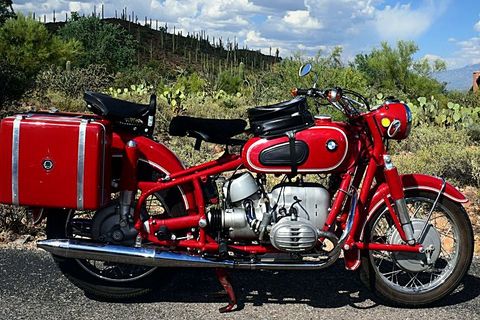
For something built to a different standard, the BMW R60/2 is the 594cc Earles-fork boxer that earned a reputation as an unburstable machine, prized by sidecar riders who needed something that simply would not quit. The engineering is a pleasure to work on, the shaft drive removes chain maintenance entirely, and BMW parts availability is among the best of any vintage marque. The catch is price: good ones are not cheap, and the Earles fork feels unusual until you adjust to it.
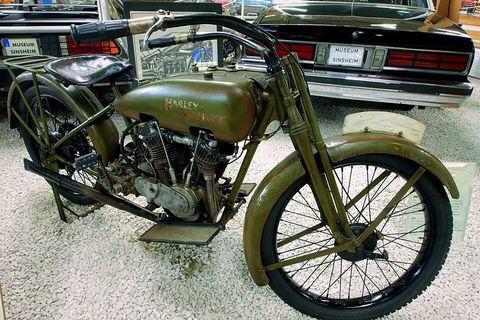
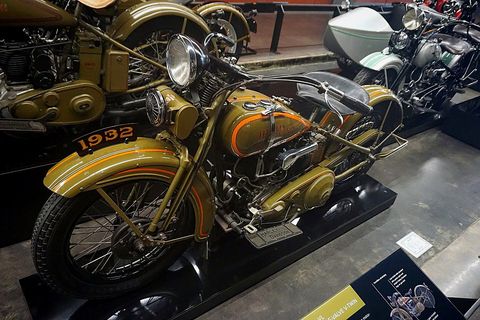
American vintage is where the money and the mystique concentrate. The Harley-Davidson JD is the 74-cubic-inch F-head V-twin that carried Harley through the twenties, and it is a rewarding, characterful restoration with a strong club scene and reproduction parts for most wear items. Its successor, the Harley-Davidson VL, swapped the F-head for a rugged side-valve big twin that became the backbone of Harley's flathead reputation. Both are simple, slow, and deeply satisfying, but expect to fabricate or hunt for the occasional unobtainable small part, and factor originality into your budget because correct components command real premiums.
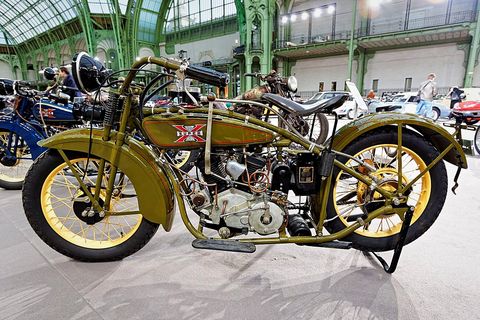
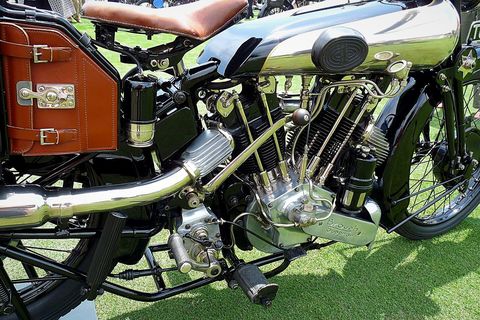
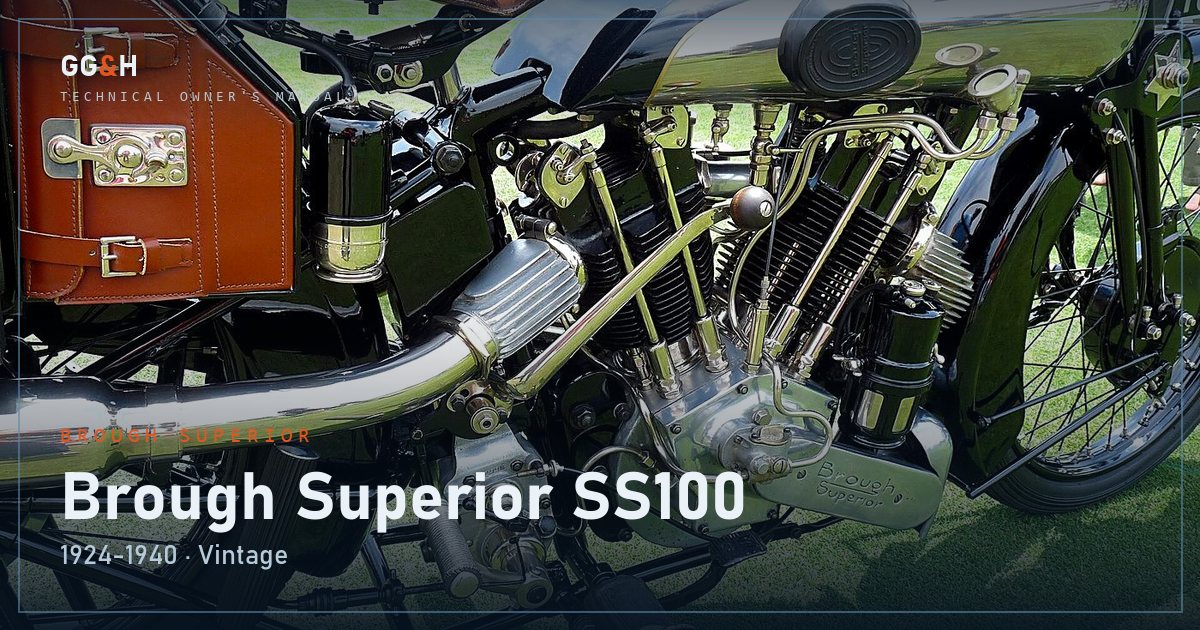
Then there are the machines that are less restoration projects than curatorial responsibilities. The Ace Four was William Henderson's second inline-four, so refined that Indian bought the tooling outright, and the Excelsior Super X essentially created the middleweight class before the company abruptly closed in 1931. Both are scarce, and parts mean fabrication, machining, and networking with a small circle of specialists. The crown belongs to the Brough Superior SS100, each one guaranteed to top 100 mph and rightly called the Rolls-Royce of Motorcycles. These are six-figure machines where a restoration is measured in years and museum-grade craftsmanship, not weekends. Take them on only with eyes open, deep pockets, and access to the right people.
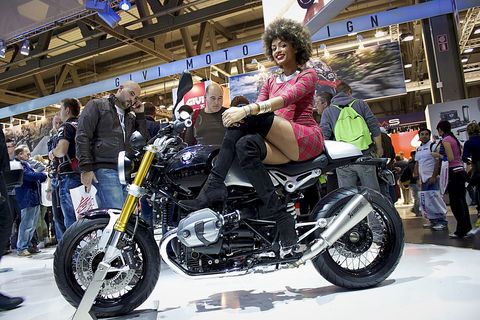
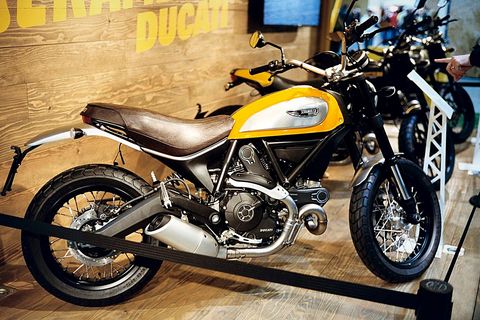
Not every worthwhile old bike needs a full teardown. If you want the classic look without the parts chase, the modern classics are the honest answer. The BMW R nineT wraps a customizable retro roadster around the last air-oil-cooled 1170cc boxer, and it is a modern, reliable motorcycle you can personalize rather than resurrect. The Ducati Scrambler Icon does the same with an 803cc air-cooled twin, approachable enough for newer riders and cheap to run. Neither is a restoration in the traditional sense, but both let you buy the aesthetic and skip the years of sourcing.
Whichever way you lean, the single best decision you can make is to buy the most complete, most original example your budget allows, then restore from a known baseline rather than a mystery box of parts. A machine with matching numbers and a clear history will always finish cheaper and sell stronger than a bargain that arrives in milk crates.
Garage, Galley & Hangar makes a model-specific owner's reference manual for each of these motorcycles, written around the real weak points, service intervals, and parts sources that matter to an owner. Browse the full motorcycles catalog to find the manual for the bike you are chasing, and go into your restoration knowing exactly what you are getting into.